
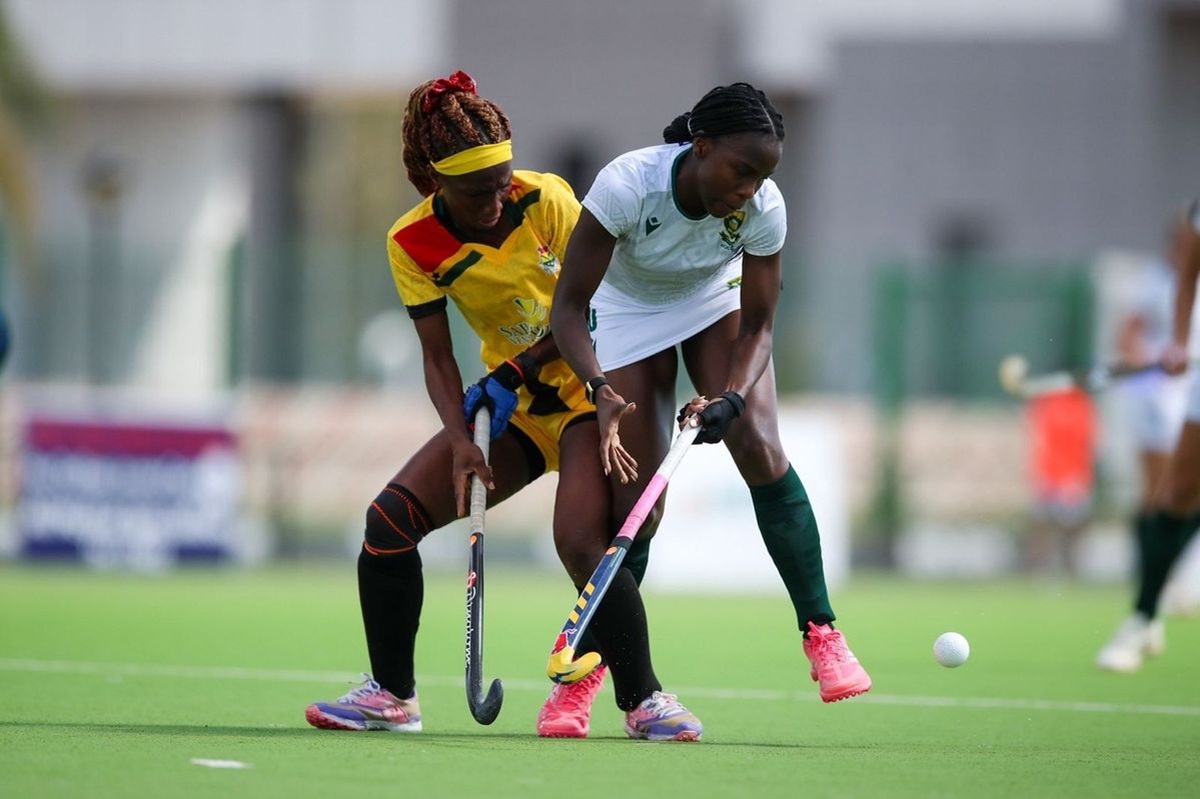
The sticks are packed, boots cleaned, and focus locked. Ghana Revenue Authority (GRA) hockey teams have departed Ghana for Zimbabwe ahead of the 2026 Africa Club Championship, carrying more than just kits in their luggage. They carry expectation.
Some fans noticed the departure quietly. No loud send-off, no airport drama. But within Ghana’s hockey circles, the move has been on the radar for weeks. GRA’s presence at the continental championship is not accidental. It is earned.
For the women’s team, the spotlight falls naturally on head coach Ida Marmon. Calm on the outside, sharp on the technical side, she has overseen months of structured preparation. Speaking before departure, Marmon said the team understands what continental hockey demands. “Africa club hockey does not forgive small mistakes,” she noted. “We are going there prepared, not hopeful.”
Training sessions were intense, then slowed deliberately. According to team officials, conditioning, tactical discipline and game management were prioritised over flashy drills. It is a strategy shaped by experience, not theory.
The men’s side, meanwhile, arrive in Zimbabwe with unfinished business. Previous campaigns have produced strong performances but no final breakthrough. Senior players in the squad are aware this could be a defining tournament.
What makes this championship different is the quality across the board. African club hockey has evolved. North, South, East, West — the gap has narrowed. Matches are faster, physical, and less predictable.
Zimbabwe, the host nation, is known for tricky pitches and vocal home support. That factor has not been ignored. GRA teams arrived early to adjust to conditions, something that often separates contenders from tourists.
Back home, local hockey fans are watching closely. Ghanaian hockey does not always dominate headlines, but when it travels, expectations follow. Club competitions are where national reputations are quietly built.
Coach Marmon addressed this directly. “We know people are watching, even if they are not shouting,” she said. “That responsibility is part of wearing the badge.”
Beyond medals, the tournament is also about exposure. Scouts, federation officials and regional selectors use these championships to identify depth and leadership. A strong showing could open doors for players beyond club level.
For GRA, participation itself reflects consistency. Few Ghanaian clubs maintain continental presence year after year. That stability matters in African sport.
As the championship unfolds, results will tell their own story. But one thing is already certain: Ghana is not absent, not invited, and not experimenting. GRA is in Zimbabwe to compete.
For hockey lovers, that alone is worth paying attention to.
