

 By Zobia Zulfqar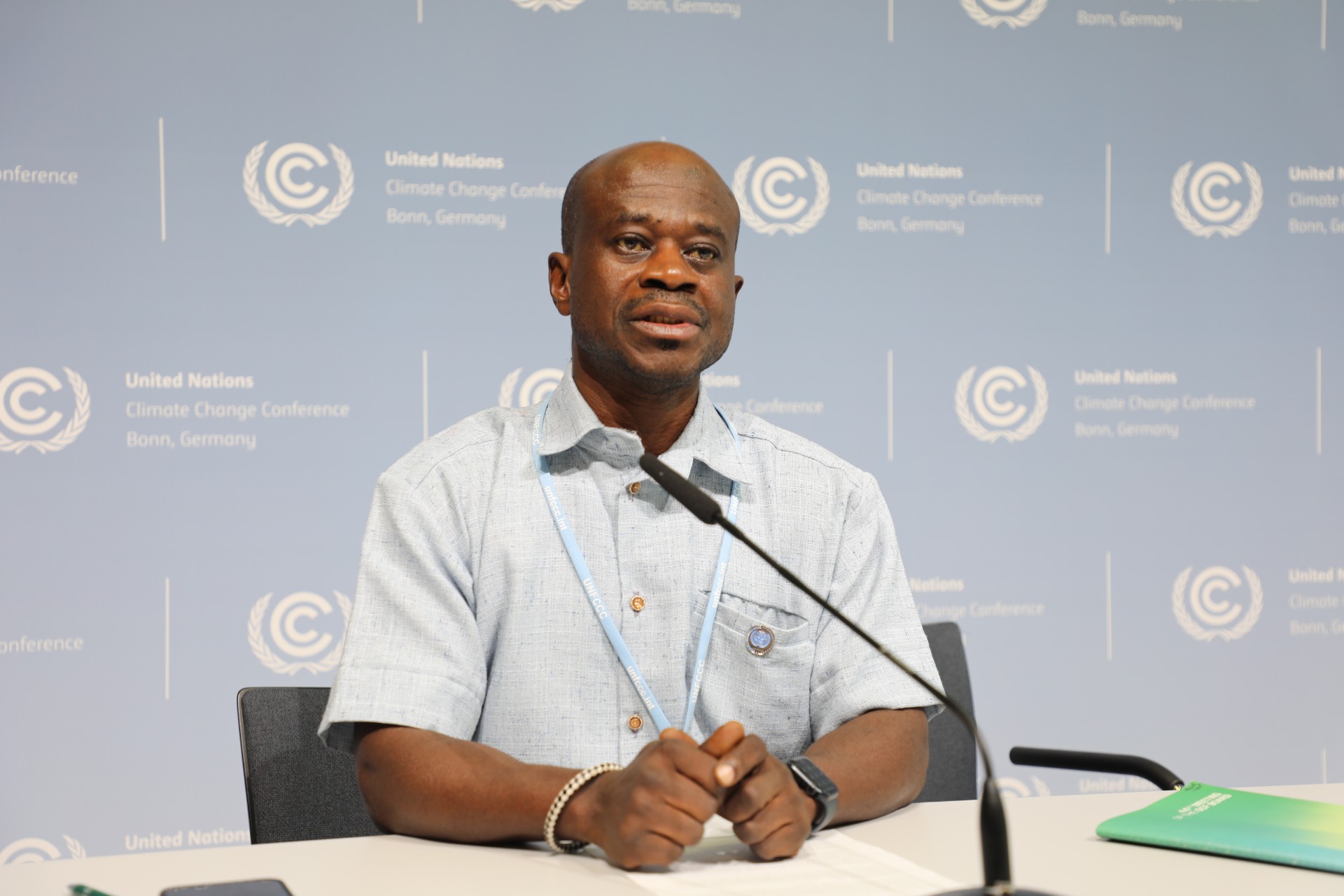
Africa is demanding urgent climate action and predictable financial support to address the growing impacts of climate change across the continent, according to Dr Nana Antwi-Boasiako Amoah, Chair of the African Group of Negotiators (AGN) on Climate Change.
Speaking during an update on progress made at the Subsidiary Bodies (SB64) climate negotiations in Bonn, Germany, Dr Amoah stressed that African countries can no longer afford delays in critical climate decisions while climate-related challenges continue to worsen.
He said Africa’s participation in the negotiations is focused on protecting the continent’s right to development, poverty reduction, and equitable treatment within the global climate framework.
According to Dr Amoah, climate action must not be postponed to future review processes. Instead, meaningful progress should be achieved before the next two United Nations climate conferences, COP31 and COP32.
He emphasized that the outcomes of the current negotiations must establish a clear and credible pathway toward practical and measurable results at future climate summits.
The AGN Chair expressed concern over delays surrounding international carbon market arrangements, noting that prolonged discussions on procedures and technical matters are slowing implementation efforts.
He called for quicker decisions to enable countries to move forward with climate initiatives and projects aimed at reducing emissions and building resilience.
“Delays in decision-making are affecting progress, and procedural debates should not prevent practical outcomes from being delivered,” he said.
Dr Amoah also raised concerns about the negotiation process itself, arguing that transparency and adherence to agreed rules are essential for maintaining trust in the United Nations climate system.
He noted that some issues previously agreed upon by parties were not included in the formal agenda of the current negotiations. These include discussions on climate finance and trade-related climate matters, which are of particular importance to developing countries.
According to him, excluding agreed mandates from official discussions risks undermining confidence in the multilateral climate process.
“Excluding agreed mandates from official discussions risks weakening confidence in the multilateral process,” he stated.
The AGN Chair highlighted progress made under the Just Transition agenda, which aims to help countries shift toward environmentally sustainable development without negatively affecting social welfare, employment, or economic growth.
He urged negotiators to protect those gains and ensure that clear institutional arrangements are finalized and ready for adoption at COP31.
Dr Amoah further called for greater progress in several key areas, including agriculture, adaptation targets, technology transfer, emissions reduction efforts, and public participation in climate action.
He stressed that developing countries, particularly those in Africa, require increased access to climate finance, technology, capacity-building programs, and knowledge-sharing opportunities to effectively address climate challenges.
According to him, stronger support from developed nations will be crucial if developing countries are to meet climate goals while continuing to pursue economic development.
The AGN Chair also emphasized the importance of inclusive climate governance. He called for greater participation by women, young people, indigenous communities, local populations, and other vulnerable groups in climate decision-making and implementation processes.
He argued that meaningful inclusion would improve the effectiveness of climate policies and help ensure that solutions reflect the realities faced by affected communities.
As climate impacts continue to intensify across Africa through droughts, floods, rising temperatures, and environmental degradation, the continent remains one of the regions most vulnerable to climate change despite contributing relatively little to global greenhouse gas emissions.
Dr Amoah’s remarks reflect growing calls from African leaders and negotiators for a more equitable global response that delivers financial support, practical solutions, and tangible outcomes for vulnerable nations.
Source: Ghana News Agency (GNA)