
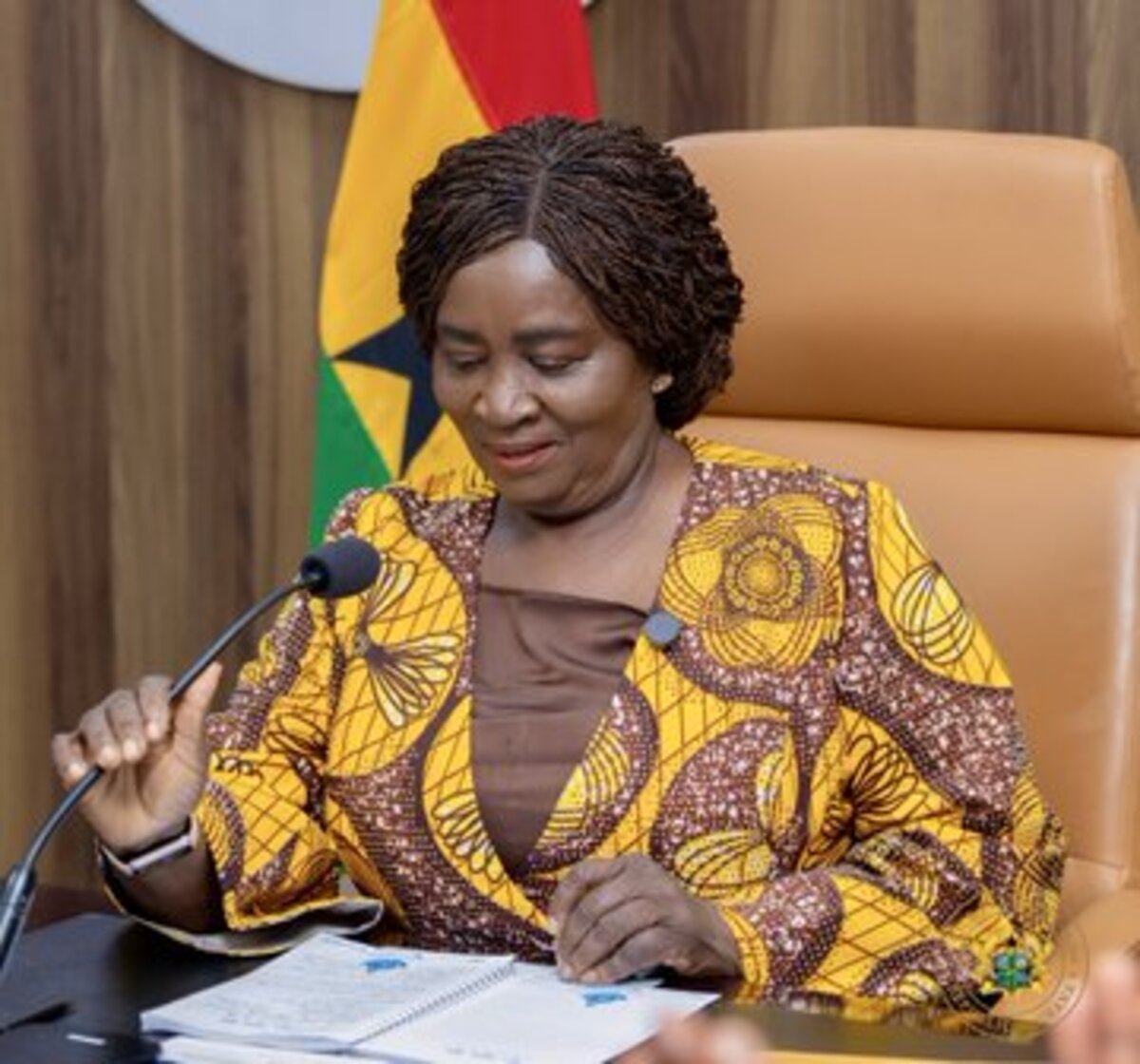
Ghana is intensifying efforts to safeguard the wellbeing and future of its children and adolescents, Vice President Professor Jane Naana Opoku-Agyemang has revealed.
Following a Strategic Planning Retreat organised by the National Development Planning Commission (NDPC) in collaboration with UNICEF Ghana, the Vice President highlighted the urgent need to address persistent challenges faced by children, including hunger and deprivation.
“Too many children still face deprivation, and child poverty remains a serious concern. All this means that if we fail our children today, we fail Ghana tomorrow,” she stated.
The retreat, held under the theme “Planning Together for a Better Future for Children and Adolescents in Ghana,” brought together stakeholders across sectors to coordinate national efforts to protect Ghana’s most valuable asset: its children and young people.
“Our discussions reaffirmed a simple truth: education, social protection, justice, sanitation, economic policy, climate resilience, and governance all shape the lives and futures of children. The success of this retreat will therefore be measured not by dialogue alone, but by the concrete actions we take,” VP Opoku-Agyemang said.
The government is implementing child-centred reforms, including the Care Reform Roadmap, prioritising safe, family-based care over institutionalisation, and the Digital Social Services initiative, which strengthens child protection through improved coordination and accountability. Other measures include adolescent safe spaces, community prevention programs, and the Ghana Against Child Abuse campaign.
“The Early Childhood Care and Development Policy remains a national priority. Investing in children aged 0–8 is essential to long-term development. Ghana’s future growth depends on how well we protect and invest in our children today,” she added.
VP Opoku-Agyemang emphasised that lasting impact requires strong collaboration across government, civil society, the private sector, development partners, and communities. “Child-centred policies must be embedded across all planning frameworks and supported by robust systems to track commitments and ensure accountability,” she noted.
Prioritising children in national planning, she concluded, is both a moral duty and one of the best investments Ghana can make in its future.