
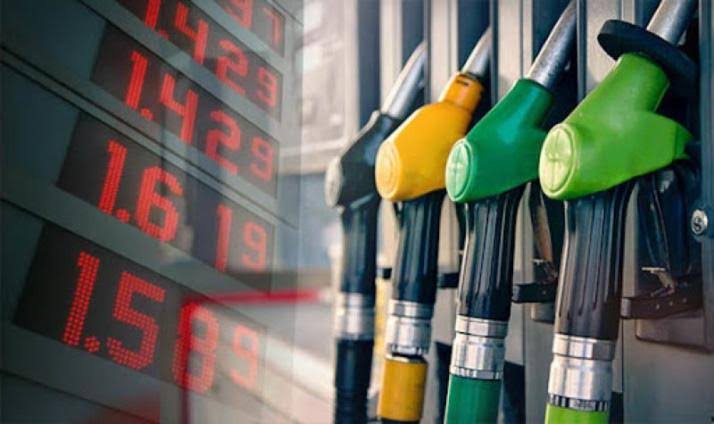
The government is keeping a close eye on the pumps. If global oil prices continue to climb and start hitting ordinary Ghanaians too hard, authorities say they are ready to step in and review fuel taxes and levies to make things a little easier at the filling station.
Government spokesperson Felix Kwakye Ofosu explained the situation clearly. Fuel prices in Ghana are shaped by three things: what crude oil costs on the world market, the taxes and levies we add here at home, and the exchange rate of the cedi.
The first two are largely out of our control, but the tax part is something the government can adjust when needed.“If the world market price rises to a point where it imposes too much of a burden, government will have to keep the other components flexible to cushion the effect,” he said. Any move like this would only come if the pressure from outside — especially the ongoing tensions in the Middle East — keeps pushing prices higher for a long time.
It’s not an automatic cut. The decision will depend on how things play out globally and how much it really starts hurting families and businesses here. The goal, he added, is to strike a balance: protect consumers as much as possible while still meeting the country’s own financial needs.
The timing feels important. Fuel prices are already scheduled to go up sharply starting tomorrow, April 1, with both petrol and diesel expected to cost more at the pumps.
Many drivers and transporters are already feeling the pinch, and the worry is that further jumps could make everything from trotro fares to food prices even more expensive.For most Ghanaians, fuel is one of those daily realities that touches almost everything.
When it gets dearer, the cost of getting to work, sending children to school, or moving goods to market all rises.
That’s why the possibility of a tax review is welcome news for many who are already stretching their budgets.Kwakye Ofosu stressed that the government is watching the situation closely and will act if the external shocks become too much to bear. For now, the message is one of caution but also reassurance: help is on the table if the pressure at the pumps gets out of hand.As the world oil market stays unsettled, many families will be hoping that flexibility on taxes can keep the worst of the pain away and give people a bit of breathing space in the weeks ahead.