
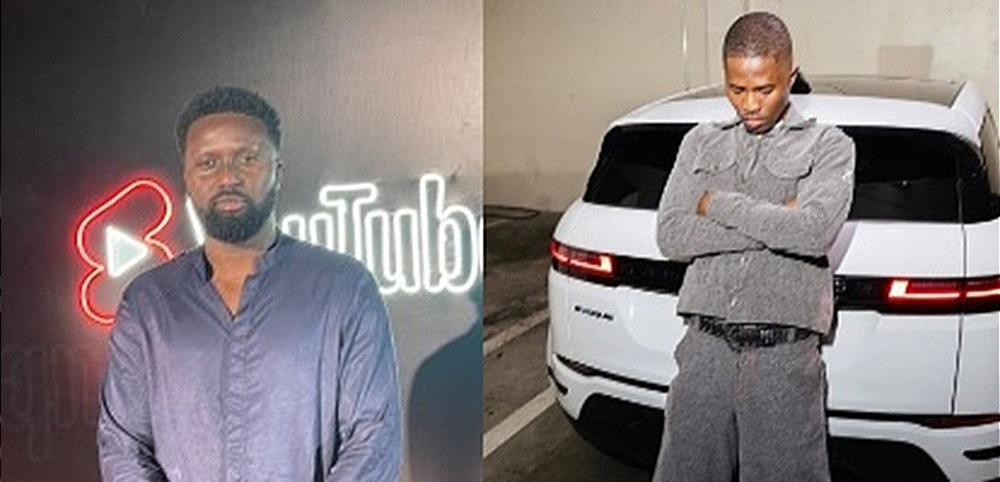
The long-simmering tension between Kwesi Arthur and his former music home, Ground Up Chale, has officially moved from social media to the courtroom.
Ground Up Chale, together with its founder Glen Boateng, has filed a writ of summons at the High Court in Accra, accusing the rapper of libel over comments he made in a social media post about a week ago. The legal action signals that the disagreement is no longer just talk money, reputation, and legacy are now on the line.
According to court filings dated 27 January 2026, the plaintiffs are demanding damages exceeding GH₵10 million, claiming that Kwesi Arthur’s statements have caused serious harm to their business, brand, and public image.
At the centre of the case are a series of statements made by Kwesi Arthur on 21 January 2026, where he alleged that he was being asked to pay USD 150,000 simply to use images of himself for an independent project. He further claimed that Ground Up Chale “owns me, my image, my music, and everything attached to it from 2016 to this day.” Those words landed hard.
In the same post, the rapper also said he had “not made a dime” from his music while working with the label and accused management of threats, manipulation, and deliberate attempts to block the release of his current work. One particular statement raised eyebrows across the industry, where he warned that if anything happened to him, the leadership and team of Ground Up Chale should be held responsible.
Those claims triggered immediate reactions online.
Fans, creatives, and industry watchers jumped into the conversation, many raising fresh concerns about artist rights, contract fairness, and power dynamics within Ghana’s music business. The hashtag #FreeKwesiArthur began circulating as supporters rallied behind the rapper.
Ground Up Chale, however, says the accusations crossed a legal line.
In their suit, the company is asking the court to declare the statements defamatory and libelous, order Kwesi Arthur to remove the posts permanently, stop him from making further similar comments, and compel him to issue a public apology and retraction with the same level of visibility as the original posts.
The damages being sought are broken down clearly:
– GH₵5 million in general damages
– GH₵2 million in special damages for alleged economic loss and missed business opportunities
– GH₵3 million in aggravated and exemplary damages
– Plus legal costs
Responding publicly to the controversy, Ground Up Chale’s lawyer, Jonathan K. Amable, has strongly rejected key parts of the rapper’s narrative. Speaking during a public discussion, he explained that the label did not prevent Kwesi Arthur from using his personal image generally, but only restricted the use of visuals and footage produced by the label during the contractual period.
He also disclosed portions of correspondence and financial records indicating that Kwesi Arthur received royalties totalling £91,370, along with other payments from distribution arrangements and a direct response to the claim that the artist earned nothing during his time with the label.
According to the label’s legal team, the heart of the dispute lies in contractual ownership of works created between 2016 and 2017, when Kwesi Arthur was signed. They maintain that the agreement gave Ground Up Chale rights over material produced during that period and that the company is fully prepared to defend those rights in court.
Kwesi Arthur’s journey to stardom is closely tied to Ground Up Chale. Signed in 2017, he rose rapidly through the collective, shaping Ghana’s hip-hop sound and connecting deeply with young audiences through songs like Grind Day and Winning. For now, the matter sits with the courts.
As of the time of publication, Kwesi Arthur has not officially responded to the lawsuit, leaving fans and the music industry watching closely as one of Ghana’s most talked-about artist-label relationships heads into a legal showdown.
One thing is certain: this case is no longer just about music but it’s about contracts, control, and who truly owns the story behind the sound.
Also Read: The Ghanaian Link Behind IShowSpeed: How His Mother’s Roots Led Him to Akropong