
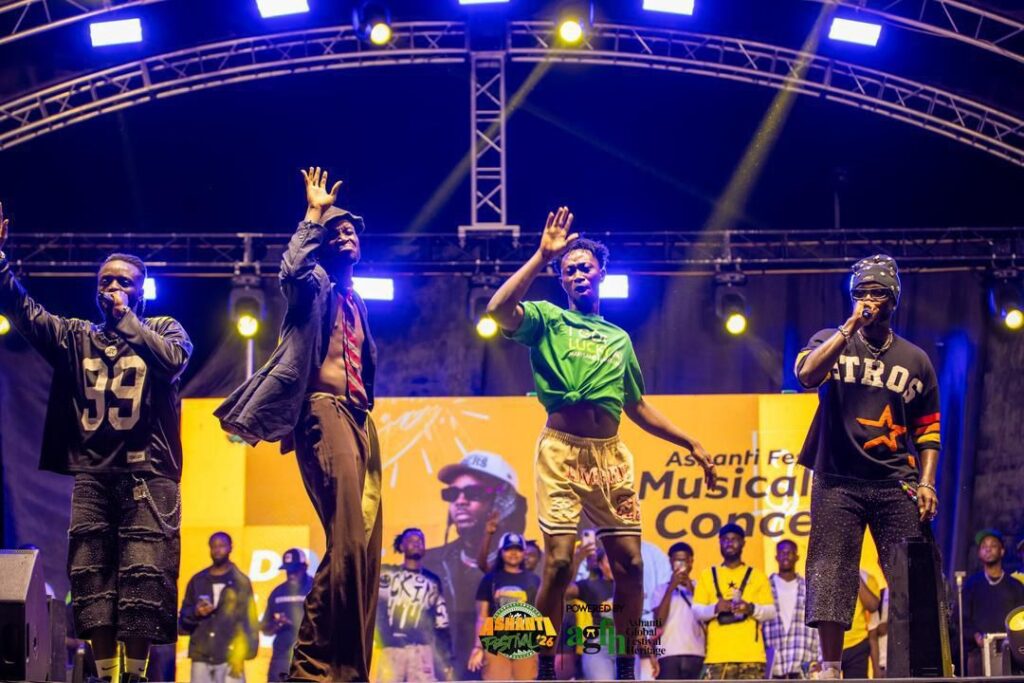
Kumasi does not pretend when it comes to music. It shows up, it feels it, and it lives it. That reality played out in full force at the MTN Ashantifest musical concert, where thousands gathered not just for entertainment, but for something deeper, a shared cultural experience that continues to define Ghana’s evolving sound.
What happened at Jubilee Park on April 11 was more than a concert. It was a statement about where Ghanaian music is coming from, and more importantly, where it is heading.
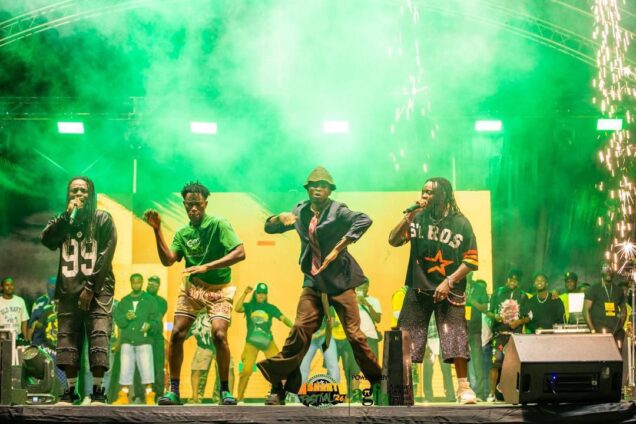
Kumasi Is No Longer Just a City, It Is a Sound
For years, conversations about Ghanaian music were heavily centered around Accra. That narrative is changing rapidly, and Kumasi is at the heart of that shift.
The Ashantifest concert reinforced what industry insiders already know. Kumasi is now one of the most influential creative hubs in Ghana. It is where raw talent is nurtured, where new sounds are tested, and where authenticity still matters more than polish.
The presence of artists like O’Kenneth and Ypee was not just about performance. It was symbolic of a movement that started from the streets and is now commanding national attention.
A Night That Captured the Energy of a Generation
From the moment the first acts stepped on stage, it was clear that the audience was not there to be passive.
This was a crowd that knew the lyrics, understood the culture, and felt connected to the artists. The energy built steadily as underground performers warmed up the stage, setting the tone for what would become a long night of nonstop engagement.
When Ypee took over, the atmosphere shifted. His catalog, including crowd favorites like “Akohwie” and “Kumerica,” triggered a reaction that can only be described as electric. The response was not just excitement. It was recognition. His music reflects a lifestyle that many in the crowd relate to directly.
Asakaa’s Influence Was Impossible to Ignore
When O’Kenneth stepped onto the stage, the crowd’s reaction said everything about the influence of the Asakaa movement.
Asakaa, often described as Ghanaian drill, is more than a genre. It is a cultural identity rooted in Kumasi’s youth. Its rise has redefined how Ghanaian music is perceived both locally and internationally.
Tracks like “Akata Krachi” and “Balenciaga” turned the venue into a wave of synchronized energy. Fans were not just listening. They were participating.
This is what makes Asakaa powerful. It is not distant from the people. It is built with them.
Performance as Identity, Not Just Entertainment
One of the defining features of the night was how artists approached their performances.
Oseikrom Sikani brought a level of stage energy that blurred the line between music and performance art. His set was not just about songs. It was about presence, movement, and connection.
Even more telling was how he incorporated collaborations with artists like Black Sherif and Kelvyn Boy into his set. This reflects a growing culture of collaboration within the Ghanaian music industry, where artists build momentum collectively rather than in isolation.
Dance also played a critical role. Afrontaa and her group of dancers did more than entertain. They amplified the music. In Ghanaian culture, dance is inseparable from sound, and that connection was on full display.
Dope Nation and the Power of Crowd Control
By the time DopeNation took the stage, the night had already delivered multiple high points. Yet their performance elevated the experience to another level.
The reaction from the crowd was intense, almost overwhelming. Fans surged forward, some attempting to get closer to the stage, driven by the energy of the moment.
Songs like “Zomizor” and “Steeze and Composure” turned the venue into a unified space of movement. This is where you see the real strength of Ghanaian music. It does not just play. It commands response.
Dope Nation’s ability to control and direct that energy highlights a key aspect of modern Ghanaian artists. They understand performance as a full experience, not just a delivery of songs.
Why Events Like Ashantifest Matter for Ghana’s Music Industry
It is easy to see Ashantifest as just another concert, but that would miss the bigger picture.
Events like this serve as real-time indicators of cultural relevance. They show which artists are connecting with audiences, which sounds are gaining traction, and how the industry is evolving.
For emerging artists, these platforms are critical. They provide visibility, exposure, and validation. For established acts, they offer a chance to maintain relevance and strengthen fan relationships.
More importantly, they decentralize the industry. They prove that major cultural moments do not have to happen only in Accra.
The Economic Impact Behind the Music
Beyond the performances, there is a strong economic dimension to events like Ashantifest.
Concerts drive activity across multiple sectors. Transportation, food vendors, security services, and local businesses all benefit from the influx of people.
In cities like Kumasi, this kind of activity contributes to local economic growth. It creates temporary jobs, boosts small businesses, and reinforces the value of investing in entertainment infrastructure.
For brands like MTN, the partnership is strategic. It aligns them with youth culture, creativity, and community engagement.
What This Means for Ghanaian Music Globally
The energy seen at Ashantifest is not isolated. It reflects a broader trend in Ghanaian music.
There is a growing confidence among artists and audiences. Ghanaian music is no longer trying to fit into global trends. It is creating its own.
The rise of Asakaa, the continued relevance of Highlife influences, and the fusion with Afrobeats all point to a dynamic industry that is constantly evolving.
International audiences are beginning to take notice. What was once considered local is now becoming global.
The Future of Live Music in Ghana
If Ashantifest is any indication, the future of live music in Ghana is strong.
There is a clear demand for live experiences. Fans want to connect with artists in real time. They want to feel the music beyond streaming platforms.
This creates opportunities for more festivals, better venues, and increased investment in the entertainment sector.
However, it also comes with challenges. Crowd management, security, and infrastructure will need to improve as these events continue to grow.
A Cultural Movement in Motion
What happened in Kumasi is part of something bigger.
It is a reflection of a generation that is confident in its identity. A generation that is using music to express itself, to connect, and to shape culture.
Artists are no longer waiting for validation from outside. They are building their own platforms, their own audiences, and their own narratives.
Ashantifest was not just a successful concert. It was a reminder of the power of Ghanaian music when it is rooted in authenticity.
From Ypee’s connection with the crowd to O’Kenneth’s representation of Asakaa, from Oseikrom Sikani’s stage energy to Dope Nation’s commanding presence, every moment pointed to one truth.
Ghanaian music is alive, evolving, and deeply connected to its people.
And if Kumasi continues to produce moments like this, it will not just be part of the conversation.
It will help lead it.
Also Read: The Global Impact of Ghanaian Sound, Beyond the “Afrobeats” Label