
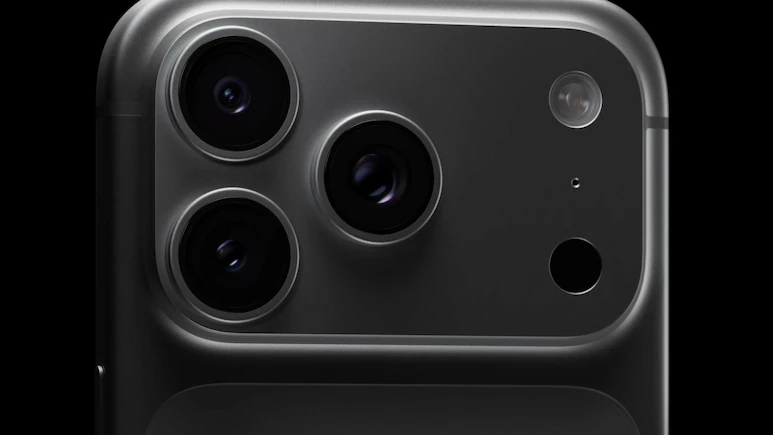
The growing wave of rumours surrounding the upcoming Apple iPhone 18 Pro and Apple iPhone 18 Pro Max is not just another tech leak cycle.
Table of Contents
Also Read: How Small Creators Can WIN at YouTube in 2026
It reflects a deeper shift in how Apple is positioning the iPhone in a rapidly changing global smartphone market to one where camera performance, battery efficiency, and real-world usability now matter more than incremental speed upgrades.
With the expected launch still months away, discussions around a new camera system, improved chipset, and variable aperture technology suggest Apple is preparing to compete aggressively in an industry increasingly dominated by innovation in mobile photography. For users in Africa and other emerging markets, this development carries practical implications that go beyond specifications and marketing headlines.
Why the iPhone 18 Pro Camera Rumours Matter
Smartphone cameras have become the most important feature for many buyers. In Africa, where professional cameras are expensive and access to high-end photography equipment is limited, smartphones serve as the primary tool for content creation, journalism, business promotion, and social media marketing.
If the iPhone 18 Pro introduces a new 48MP stacked sensor developed in collaboration with Samsung, it would represent a strategic shift in Apple’s supply chain and camera technology approach. For years, Apple relied heavily on Sony sensors, but moving toward a Samsung-developed sensor suggests Apple is looking for new ways to improve low-light performance, dynamic range, and image clarity.
This is significant because low-light performance has been one of the biggest challenges for smartphone cameras in real-world conditions especially in environments with unstable lighting, such as night markets, events, concerts, and street photography, which are common across African cities.
Better sensors mean clearer images, improved video quality, and more reliable performance in everyday situations, not just in studio conditions.
Apple Is Focusing on Hardware, Not Just AI
In recent years, many smartphone manufacturers have relied heavily on software and artificial intelligence to enhance photos. While this produces sharp and vibrant images, critics often argue that excessive software processing makes photos look unnatural.
The rumoured introduction of variable aperture on the iPhone 18 Pro could change this balance.
Variable aperture allows the camera lens to physically adjust how much light enters, similar to professional DSLR and mirrorless cameras. Instead of relying only on software to simulate depth and exposure, the camera can control these elements naturally through hardware.
This gives photographers more control over depth of field, brightness, and image sharpness, resulting in more realistic photos.
For content creators, journalists, and social media influencers, this means better storytelling through visuals. It allows users to capture natural-looking portraits, clearer night shots, and cinematic video without needing external equipment.
In simple terms, Apple appears to be moving back toward true optical photography, rather than relying entirely on computational tricks.
The 200MP Debate: Reality vs Marketing
One of the more sensational rumours suggests Apple could move to a 200MP camera sensor. However, industry experts remain skeptical.
Higher megapixels do not always translate to better image quality. In fact, many flagship smartphones still rely on 48MP or 50MP sensors because they offer a better balance between detail, file size, and low-light performance.
A well-optimized 48MP stacked sensor can outperform a poorly optimized 200MP sensor in real-world scenarios.
Apple’s strategy has traditionally focused on consistency and optimization rather than chasing extreme numbers. This suggests the company is more likely to refine its current sensor technology rather than jump into the megapixel race.
From a technical standpoint, improving sensor architecture, light capture, and processing power delivers more meaningful benefits than simply increasing resolution.
Telephoto Improvements Could Be a Game-Changer
Zoom photography has been another area where smartphone users often face limitations, especially in low-light environments.
The rumoured larger aperture telephoto lens in the iPhone 18 Pro could address this issue by allowing more light to enter the lens during zoom shots. This would improve clarity and reduce noise when capturing distant objects at night or indoors.
For users who rely on their phones for event coverage, sports photography, or video recording, this improvement could be particularly valuable.
In markets like Ghana, Nigeria, Kenya, and South Africa, where mobile journalism and digital content creation are growing rapidly, better zoom and low-light performance directly impact productivity and storytelling quality.
Also Read: Amazon Plans to Use AI for Movies and TV
Economic and Market Implications
The iPhone 18 Pro is expected to arrive with Apple’s new A20 Pro chipset and improved battery efficiency, reinforcing Apple’s push toward premium performance.
However, the real competition is not just about performance but also about market positioning.
Apple is competing against major Android manufacturers like Samsung, Xiaomi, and Huawei, which have already introduced advanced camera systems and high-resolution sensors.
To remain competitive, Apple must offer meaningful innovation that justifies its premium pricing.
In Africa, where iPhones are often considered luxury devices, consumers expect durability, long-term software support, and strong resale value. A major camera upgrade could strengthen Apple’s appeal among professionals, entrepreneurs, and content creators who depend on reliable mobile technology.
Future Implications for Smartphone Technology
If the iPhone 18 Pro successfully introduces stacked sensors and variable aperture technology, it could set a new industry standard.
Other smartphone manufacturers may follow, leading to a wave of hardware-focused camera innovation across the industry and What these Means for African Tech Users and Mobile Photography.
This could eventually result in smartphones that rival professional cameras in everyday photography, reducing the need for standalone camera equipment.
It may also accelerate innovation in mobile filmmaking, digital journalism, and online content creation, particularly in developing regions where smartphones are the primary digital tools.
Over time, the smartphone could become an even more powerful productivity device, not just for communication but for business, media production, and creative work.

The Bigger Picture
The rumours surrounding the iPhone 18 Pro are not just about a new phone, they reflect how the smartphone industry is evolving.
Consumers now demand real innovation, not incremental upgrades. Camera quality, battery efficiency, and real-world usability are becoming the defining factors of premium smartphones.
If Apple delivers on these expectations, the iPhone 18 Pro could mark one of the most meaningful upgrades in recent years.
For users in Africa and beyond, the real question will not be how many megapixels the phone has, but whether it genuinely improves everyday photography, video recording, and digital productivity.
That is what will ultimately determine whether the iPhone 18 Pro becomes just another annual upgrade or a truly transformative device.
Also Read: Woman Caught Using “Smart” Contact Lenses Cheat at Cards In a Casino
