
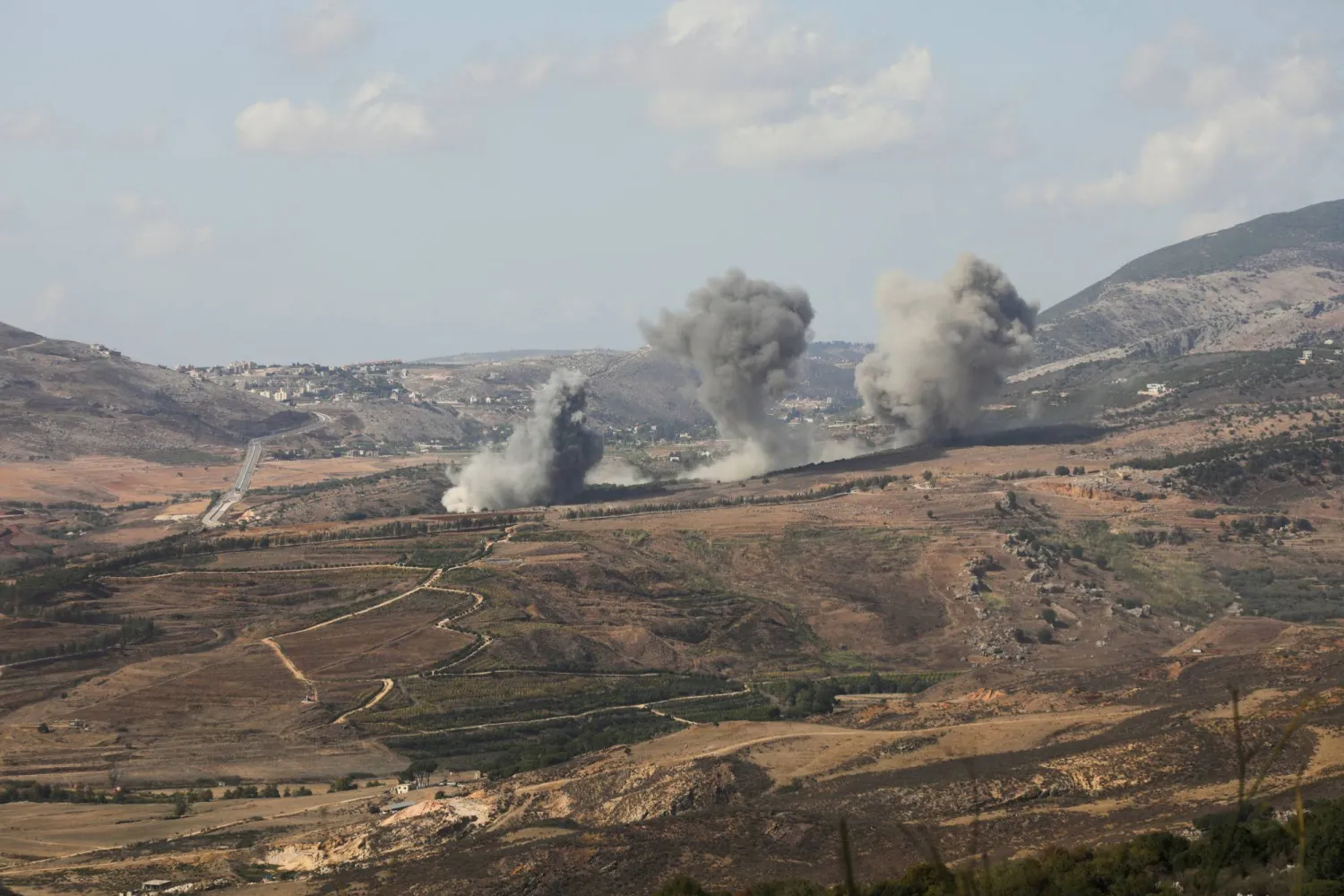
Israel has drawn a firm new line in its ongoing conflict with Hezbollah. Defence Minister Israel Katz has announced that Israeli forces will set up a security buffer zone deep inside southern Lebanon — stretching all the way to the Litani River, roughly 30 kilometres from the border — and will stay in control of the area even after the fighting ends.
In a video statement, Katz made the plans clear: Israeli troops will hold a defensive line against anti-tank missiles and keep security control right up to the Litani.
He added that every house in Lebanese villages close to the Israeli border will be demolished, following the same approach used in Rafah and Beit Hanoun in Gaza. Families who fled northward will not be allowed to return south of the river until Israel’s northern communities feel completely safe.
The announcement comes as Israeli ground troops continue their push into southern Lebanon, which began on 2 March.
That move followed Hezbollah rocket attacks on northern Israel, launched in response to the assassination of Iran’s supreme leader. Israel had already been carrying out near-daily strikes on Hezbollah targets, even after a 2024 ceasefire that was only partly followed.The human cost has been heavy. Since early March, at least 1,238 people have been killed in Lebanon, including 124 children and 52 health workers, according to Lebanese authorities. Three Indonesian UN peacekeepers and three Lebanese journalists have also died in the south. On the Israeli side, 10 soldiers and two civilians have been killed by Hezbollah attacks.More than a million Lebanese — about one in every six people in the country — have been forced from their homes, worsening an already severe humanitarian crisis. Hospitals and clinics have closed or are running on reduced capacity, and many families are living with the daily fear of new strikes.Lebanon’s Defence Minister called the Israeli plan “a clear intention to impose a new occupation,” saying it would forcibly displace hundreds of thousands and destroy villages and towns. The UN’s top aid official warned the Security Council that the escalation is making a bad situation even worse and asked how the world should prepare for yet another occupied territory. Canada’s Prime Minister labelled the ground operation an “illegal invasion,” while ten European countries, including the UK, France and Italy, issued a joint statement urging Israel to respect Lebanon’s borders and sovereignty.Israeli officials say the goal is straightforward: protect communities in northern Israel from Hezbollah rockets and threats. Southern Lebanon has long been Hezbollah’s heartland, but it is also home to Christians and other communities who have now been caught in the middle.For ordinary Lebanese families, the news feels like a fresh blow.
Many who left their homes hoping to return soon are now being told they may not be allowed back for a long time — if ever. “Our home is gone, everything is gone,” one displaced resident told reporters recently.The coming weeks will show whether this buffer zone becomes a lasting reality or part of a wider push that draws even stronger international pressure.
For now, the people living on both sides of the border are watching anxiously, hoping the cycle of violence does not pull the region deeper into conflict.