
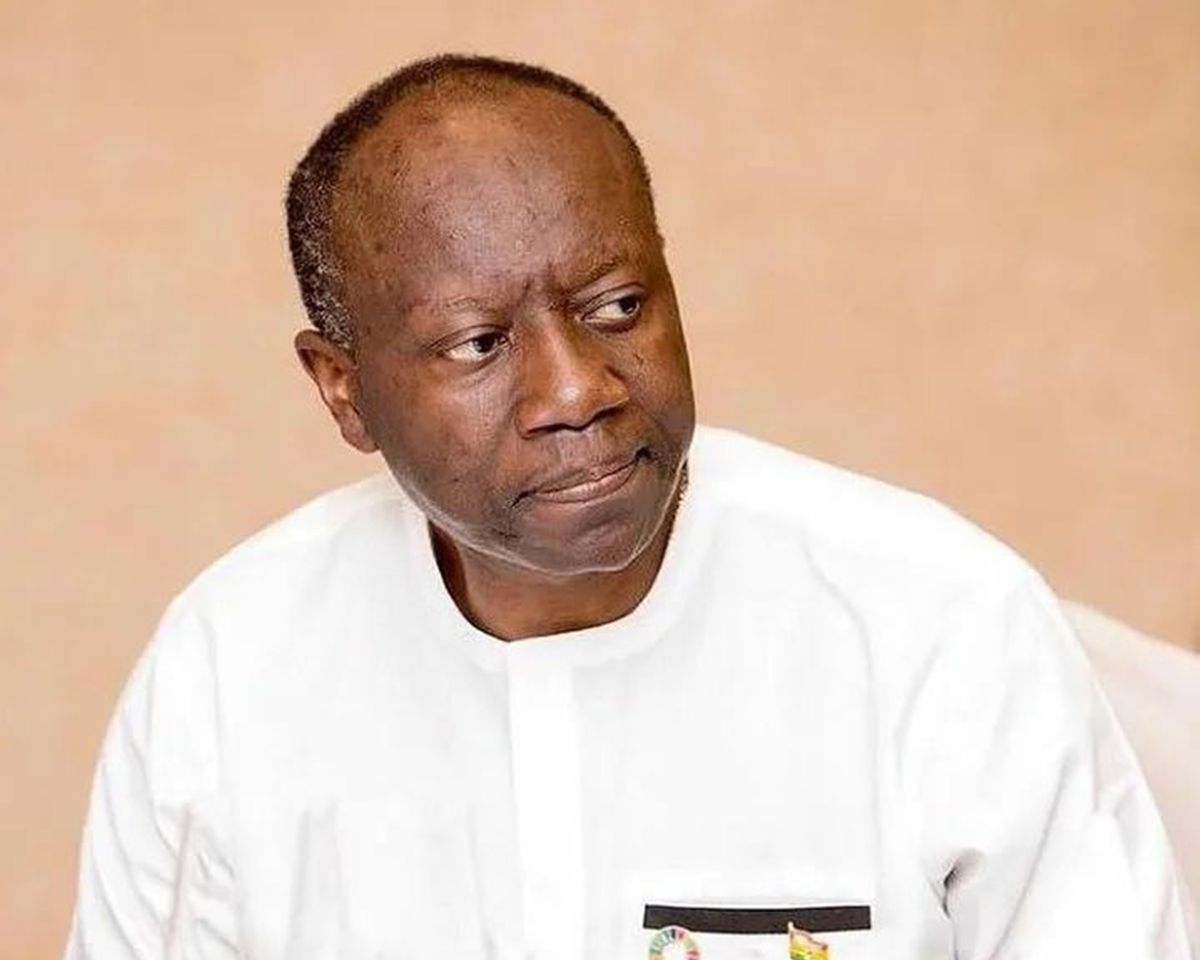
The detention of Ghana’s former Minister for Finance, Ken Ofori-Atta, by United States Immigration and Customs Enforcement (ICE) has ignited intense political debate both in Ghana and among the Ghanaian diaspora, raising questions about governance, accountability, and diplomatic protocol.
In an official statement, the Ghana Embassy in Washington, DC, confirmed that Mr. Kenneth Nana Yaw Ofori-Atta is currently in ICE custody. According to the statement issued by Ghana’s Ambassador, Mr. Smith, the Embassy moved swiftly after learning of the situation to verify the circumstances surrounding the detention and to activate standard diplomatic procedures.
“The Embassy of Ghana in Washington, DC, can confirm that Ghana’s former Minister for Finance, Mr. Kenneth Nana Yaw Ofori-Atta, has been taken into custody by Immigration and Customs Enforcement (ICE) in the United States,” the Ambassador stated. He added that once the information was confirmed, the Embassy formally contacted the relevant detention facility to request access and provide consular assistance, as required under international diplomatic norms.
However, in a development that has drawn significant political attention, the Embassy was informed that Mr. Ofori-Atta declined to engage with consular officials at that time, stating that he would only do so in the presence of his legal representatives.
This decision has fueled speculation and commentary across Ghana’s political landscape. Supporters argue that the former Finance Minister is exercising his legal rights and following advice from counsel, while critics question why a former senior government official would reject consular support from his own country at such a critical moment.
The issue has also reignited broader political conversations about elite accountability, the conduct of former public officeholders abroad, and the responsibilities of the Ghanaian state toward its citizens, regardless of political affiliation. Analysts note that while declining consular access is not unlawful, it is highly unusual in cases involving high-profile former government officials.
Opposition figures have called for greater transparency from authorities, urging the government to keep Ghanaians informed and to clarify whether the detention has any implications for Ghana’s international reputation. Meanwhile, government-aligned voices have cautioned against politicizing the matter, emphasizing that the situation remains a legal process within the jurisdiction of the United States.
As the story continues to unfold, the detention of Ken Ofori-Atta by ICE stands at the intersection of law, diplomacy, and politics, underscoring ongoing tensions around power, privilege, and accountability in Ghana’s democratic discourse. Many Ghanaians are now watching closely to see how both the US legal system and Ghana’s diplomatic institutions navigate this sensitive and politically charged case.