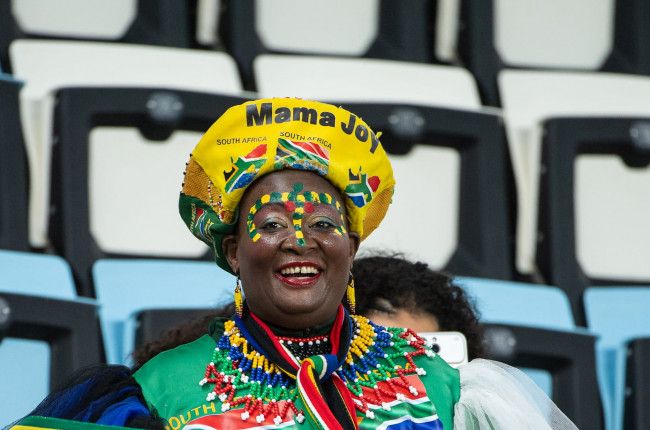
The public disagreement between Mama Joy and Gayton McKenzie over complimentary tickets for the 2026 FIFA World Cup has evolved into more than just a social media exchange. It has opened a wider national conversation in South Africa about who deserves state support in sports, how public resources should be used, and whether superfans should receive government-backed sponsorship to attend international tournaments.
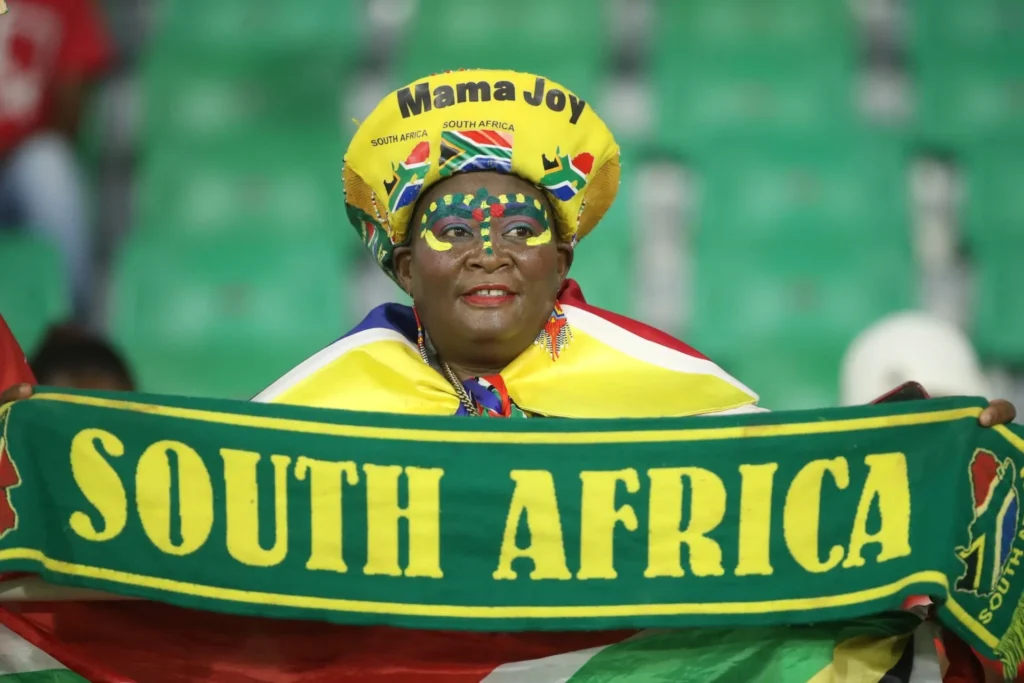
Mama Joy has built a strong public identity over the years as one of South Africa’s most visible sports supporters. Her presence at major global tournaments has become almost symbolic of fan culture in the country. From the 2022 FIFA World Cup to the 2023 FIFA Women’s World Cup and the 2023 Rugby World Cup, she has consistently appeared in national colours, cheering teams and representing South African fan energy on international stages. This visibility has helped her gain recognition as an unofficial ambassador for sports enthusiasm and national pride.
The disagreement began when she publicly criticised the sports minister for declining to provide sponsored tickets for her to attend the upcoming World Cup in North America. Her reaction on social media called for intervention from Cyril Ramaphosa, suggesting that leadership should prioritize fan representation and support individuals who promote the country’s image globally. Her appeal framed the issue as one of recognition and appreciation for loyal supporters who dedicate time and resources to backing national teams.
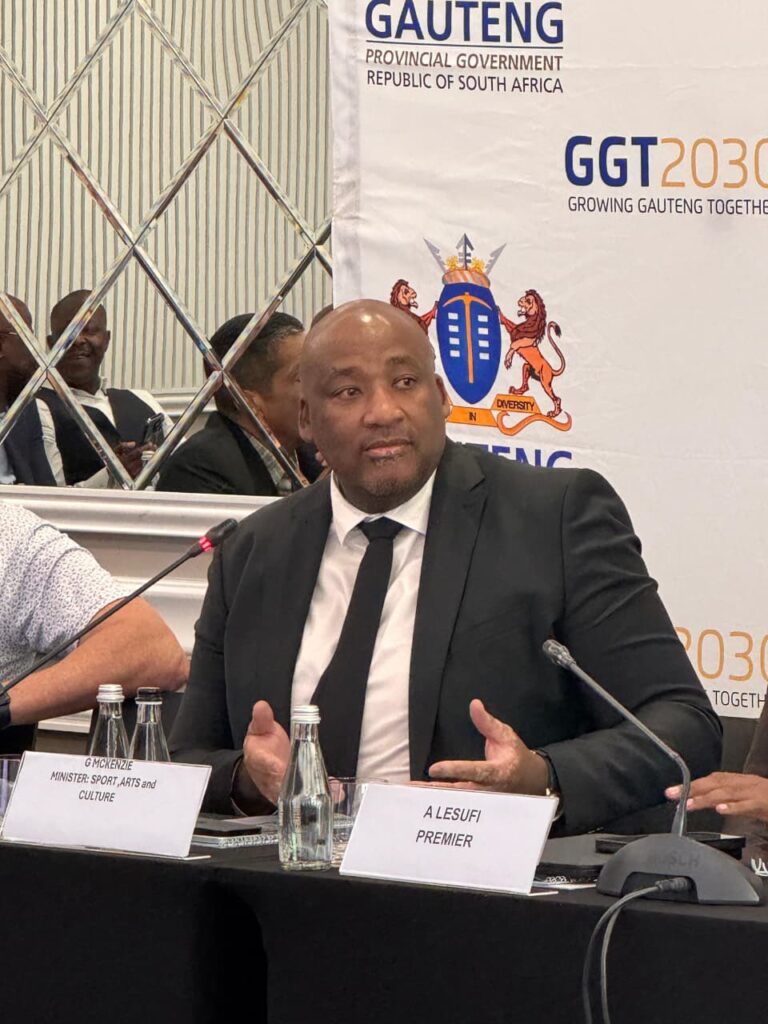
Gayton McKenzie responded with a mix of humour and firm policy stance, indicating that government funds cannot be used to sponsor personal travel for superfans. His remarks, including a playful reference to Mama Joy’s French husband paying for her trip, reflected a broader position that public resources must be directed toward development priorities rather than individual privileges. During media engagements, he maintained that sports funding should focus on athletes, infrastructure, and grassroots development rather than free travel for supporters.
This exchange has triggered a strong reaction among South Africans because it touches on a sensitive issue: fairness in access to national opportunities. Some citizens believe Mama Joy deserves support due to her long-standing dedication and contribution to sports culture, while others argue that many passionate fans exist across the country and government cannot single out one individual for special treatment.
The debate highlights a deeper policy challenge facing sports ministries across Africa. Governments must balance national branding, fan engagement, and responsible spending. Supporting superfans can enhance national visibility and morale, but it also raises concerns about transparency, accountability, and equal opportunity. When public funds are involved, every decision is scrutinized, and leaders must justify how resources are allocated.
From an expert perspective, the minister’s position aligns with global governance practices in sports administration. Most governments prioritize funding for athlete preparation, youth development programs, stadium infrastructure, and international competition participation. Sponsorship for individual supporters is typically handled by private companies, corporate partners, or tourism boards rather than government ministries. This reduces the risk of public criticism and ensures funds are used for measurable national benefits.
At the same time, Mama Joy’s argument reflects the growing importance of fan culture in modern sports economics. Fans are no longer passive spectators; they contribute to branding, media visibility, and national image. Superfans often attract global attention and create emotional connections that benefit teams and countries. In many international tournaments, passionate supporters become part of the storytelling that shapes how nations are perceived.
The situation also highlights the growing influence of social media in shaping public discourse. Platforms like X have turned personal disagreements into national debates within hours. Public figures are now under constant scrutiny, and even casual responses can quickly become headline news. This forces politicians and celebrities to carefully manage their communication while maintaining authenticity and transparency.
Looking ahead, this controversy could influence how South Africa structures fan engagement programs for international tournaments. Authorities may consider formal criteria for selecting official fan ambassadors or create partnerships with corporate sponsors to support travel for selected supporters without relying on government funds. Such a system would ensure fairness and transparency while still promoting national pride on global stages.
She tweeted: “To all SA fans, let’s accept that the World Cup may not be for us. @GaytonMcK won’t be helping. You’re on your own. Let’s pray the President appoints a new Minister of Sport who truly cares for the fans.”
There is also a broader lesson for African sports governance. As football and other sports continue to grow in commercial value, governments must develop clear policies on sponsorship, representation, and public funding. Transparent guidelines help prevent misunderstandings and protect both officials and public figures from unnecessary conflict.
The upcoming participation of Bafana Bafana in the 2026 World Cup adds urgency to this discussion. The team’s return to the global stage after years of absence has already generated excitement, and supporters want to be part of the historic moment. Managing expectations while maintaining financial discipline will be key to ensuring that national enthusiasm does not turn into controversy.
Here is what South Africans are saying concerning the issue between Mama Joy and McKenzie on social media.
Bongani Mgobhozi shared:
“Mama Joy must give others a chance since she is not the only lady who follows Bafana. I applaud the minister for refusing to give her tickets.”
Ngubane Prince wrote:
“She has genuinely represented South Africa in numerous local and international games. It is only fair to honour her. She possesses an exceptional Super fan CV that surpasses everyone else’s. For that reason alone, she deserves respect and recognition. If not her, then who else?”
Kobus Lubbe said:
“Ask her if she knows who our previous SA rugby captain was. If she knows, buy her a ticket!” Graham Johansson advised: “She’s a super-fan and makes SA look good. Send her.”
Irene Harper Ogle implied:
“Didn’t she do the same a few years ago, and someone gave her a ticket? Not too sure how that story went.”
August Olivier commented:
“What makes her so special, just asking, she can sit in front of her TV or go to local pubs and support her Bafana Bafana.”
Charmaine Clinton added:
“Mama Joy, I think Gayton has far bigger fish to fry at the moment than sponsoring your free holiday.”
Ultimately, the clash between Mama Joy and Gayton McKenzie is not just about a ticket to a football tournament. It reflects the intersection of sports culture, public policy, national identity, and financial responsibility. The outcome of this debate could shape how South Africa approaches fan representation and sports funding in the years ahead, especially as international competitions become more expensive and competitive.
Also Read: DR Congo Celebrates Historic 2026 World Cup Qualification with National Public Holiday
CONNECT WITH US