

 By Ghana News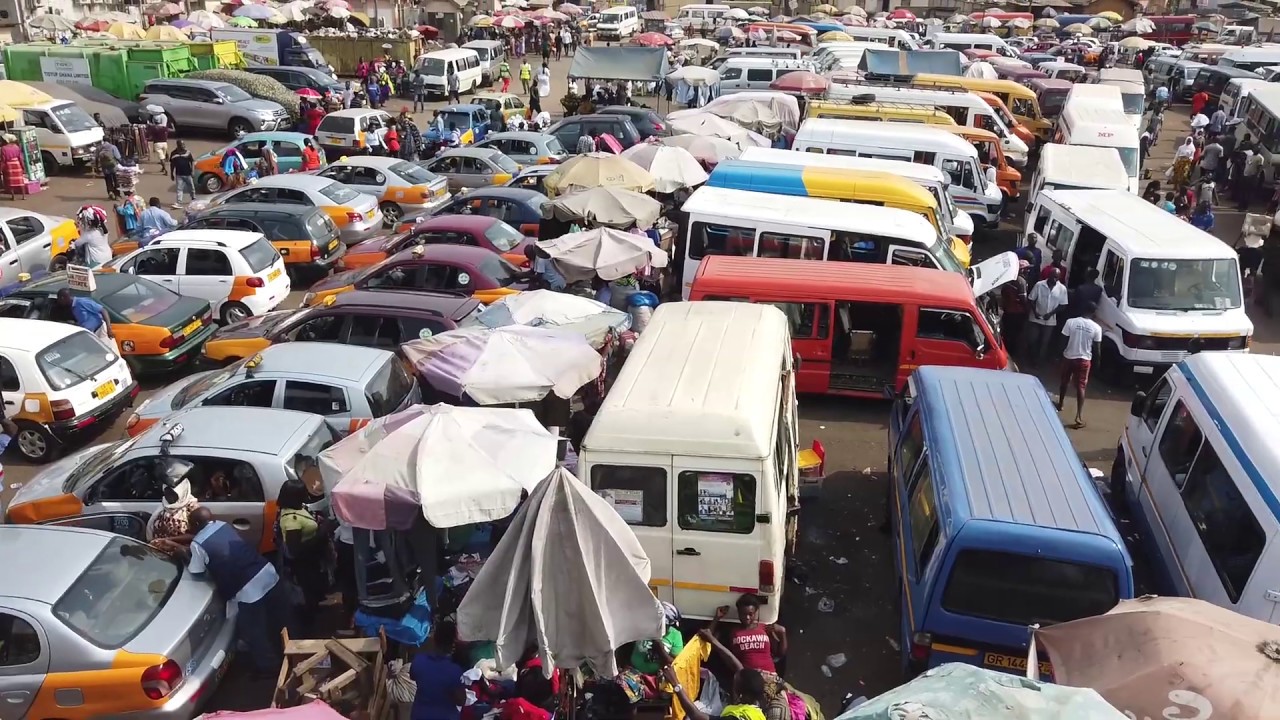
Commuters across Ghana should prepare for higher travel costs as transport fares are scheduled to increase by 20 percent beginning June 2. This upward adjustment applies to shared taxis, inter-city transport, and intra-city “trotro” services throughout the nation.
Why are transport operators increasing fares?
Commercial transport operators have identified sustained increases in operational costs as the primary driver for this decision. The Ghana Private Road Transport Union (GPRTU) and allied groups cite rising prices for fuel and essential vehicle maintenance items, such as batteries, engine oil, and tyres, as the main burdens.
Samuel Amoah, the GPRTU National Deputy Public Relations Officer, noted that vehicle owners and drivers are facing severe financial pressure that makes current fare levels unsustainable. Operators stated they delayed this increase while waiting for potential government intervention on fuel prices, but eventually found it necessary to act.
How will the new fares be managed and enforced?
To ensure transparency and order during the transition, transport unions have provided clear guidelines for both drivers and passengers. The following measures are in place to manage the implementation:
- Updated fare charts will be clearly displayed at all major lorry stations before the new rates take effect.
- Transport unions have strictly warned both station managers and drivers against charging more than the approved rates.
- Monitoring teams will collaborate with the Motor Traffic and Transport Department of the Ghana Police Service to ensure all operators comply with the new pricing structure.
While the unions acknowledge that this increase will impact household budgets, they maintain that they have exhausted all other available alternatives. This fare adjustment is expected to have wider economic implications, potentially influencing the prices of goods and services across the country.
In response to the current financial climate, the unions have renewed their calls for the government to provide relief to the transport sector. Specifically, they are advocating for tax relief on spare parts and sustainable measures to stabilize fuel prices to help ease the pressure on future transport operations.
Also Read: President Mahama Calls Emergency Cabinet Meeting as Fuel Prices Spike – “We Will Cushion Ghanaians”
Source: ghananewspage.com