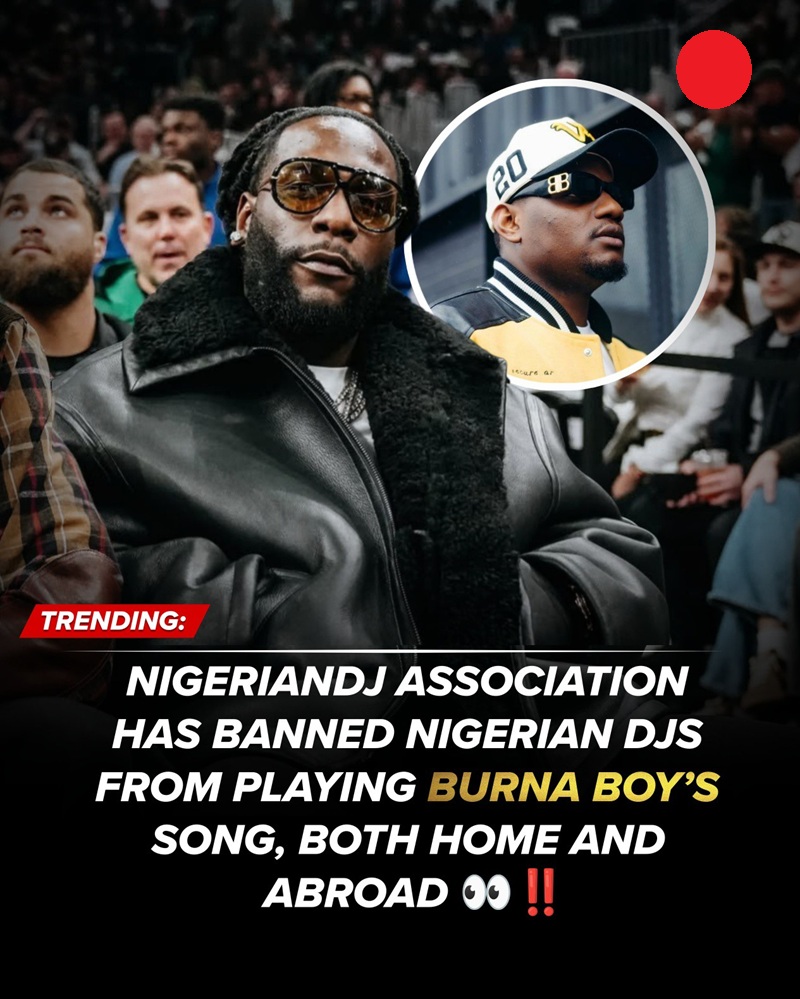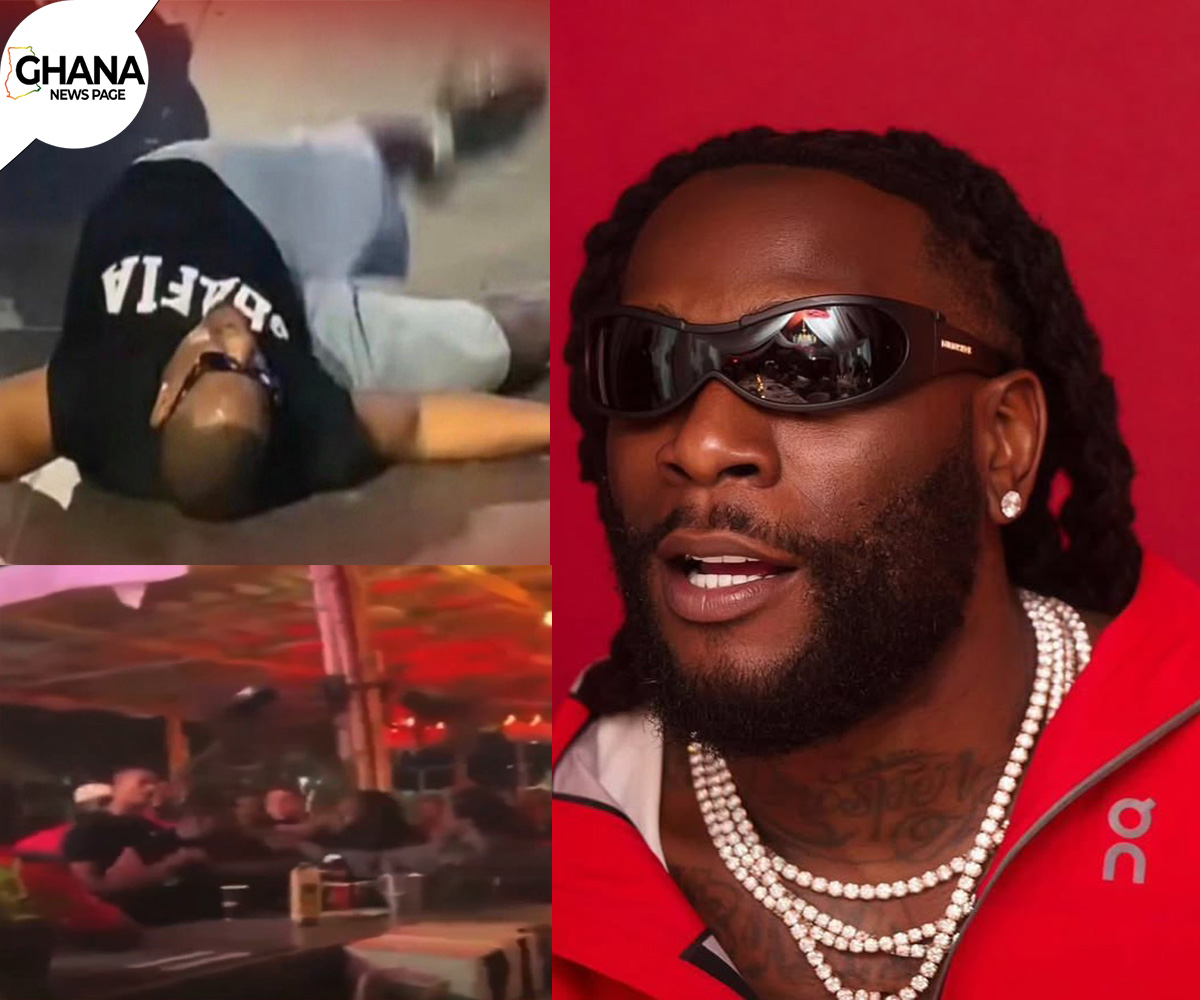
The Afrobeats ecosystem is currently navigating a high-stakes standoff that transcends typical celebrity “clout chasing.” What began as a chaotic viral clip of an altercation between Burna Boy and DJ Tunez at a Lagos event has rapidly evolved into a professional mutiny.
A specific, influential collective of Nigerian DJs has taken the unprecedented step of calling for a temporary “blackout” of Burna Boy’s catalog. This isn’t just a local dispute; it is a calculated move to test the leverage of the “gatekeepers” against the industry’s biggest global export.
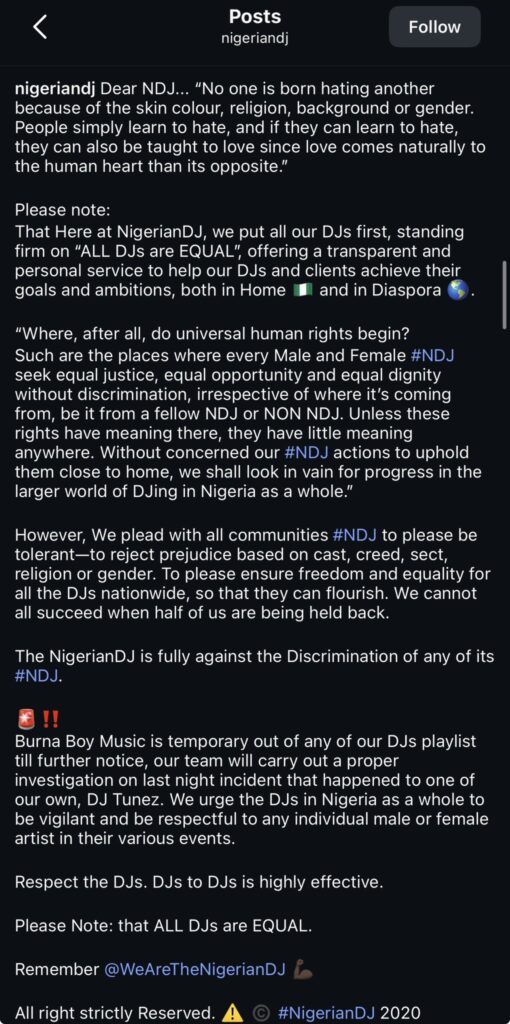
Why This Power Struggle Matters
In the music industry, DJs are the frontline of culture. While streaming numbers are driven by individual fans, the “vibe” and longevity of an artist are maintained in the clubs, radio stations, and events curated by DJs. By pulling Burna Boy’s music from their playlists, this collective is attempting to demonstrate that no artist, regardless of their Grammy wins or “African Giant” status, is bigger than the community that helped build them.
This incident highlights a growing tension in the industry:
- Professional Boundaries: DJ Tunez is not just any DJ; as Wizkid’s official DJ and a veteran in the scene, he represents a specific echelon of industry respect. An attack on him is viewed by his peers as an attack on the profession itself.
- The “Unconfirmed” Factor: It is critical to note that the Disc Jockeys Association of Nigeria (DJAN) has not yet ratified this as a national ban. This distinction is vital—it means we are currently seeing a “grassroots” rebellion by a specific faction rather than a total structural shutdown.
Expert Analysis: The Economics of the “Ban”
From a market perspective, a total ban on Burna Boy is nearly impossible given his massive international footprint. However, a domestic boycott can be devastating for an artist’s “home-ground” relevance.
If this specific group successfully lobbies other DJs to join, we could see:
- A Shift in Event Atmosphere: Club sets and weddings in Lagos that usually peak with “Last Last” or “City Boys” will have a noticeable void, potentially opening more space for rising artists.
- Brand Risk: Corporate sponsors often shy away from artists embroiled in active professional boycotts, especially when the “gatekeepers” (DJs) are the ones leading the charge.
Future Implications & The “Lekki Factor”
The mention of “Lekki street boys” and the subsequent “nonsense” being spewed online points to a deeper societal issue in Lagos—the intersection of celebrity, street loyalty, and the pressure to de-escalate through “scopes” (calculated apologies).
If Burna Boy moves to settle this behind the scenes, it will set a precedent for how A-list stars interact with technical staff and DJs. If he remains defiant, we may see the formation of more “unions” or collectives within the Nigerian creative space designed to protect workers from the perceived “ego” of superstars.
The Bottom Line
For humans watching this play out: this isn’t just a fight. It’s a negotiation of Respect vs. Fame. DJ Tunez’s “constant energy” is being praised because he represents the “working man” of the music world standing his ground against a titan. Whether the ban holds or not, the message is clear: the music may be global, but the respect must remain local.
Also Read: chance of survival prophet sounds alarming warning about regina
Gatekeepers vs. The Giant: The High-Stakes Mutiny Behind the Burna Boy & DJ Tunez Standoff
Also Read: They’re lucky they didn’t arrest me” – Shatta Wale fresh shots over the EOCO Lamborghini drama