
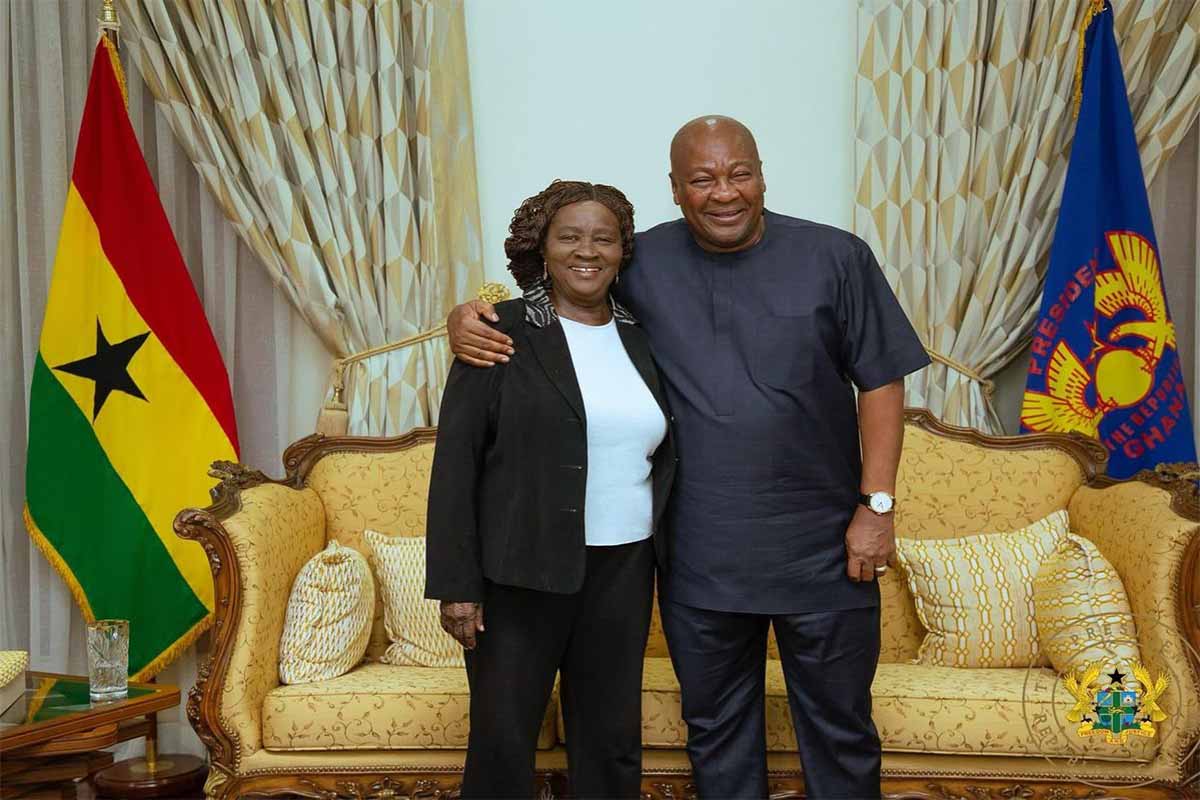
As President John Dramani Mahama marks one year in office, the mood across Ghana feels noticeably different. From marketplaces to transport terminals, from radio phone-ins to quiet political discussions, many Ghanaians are openly praising what they describe as a return to calm leadership, direction, and practical governance.
What keeps coming up in these conversations is not just what has been done, but how it is being done.
President Mahama is governing with fewer than 60 ministers, roughly about 50 active ministers, yet many citizens believe his administration has already achieved more in one year than the previous government did in eight. Naturally, questions are being asked.
How did Nana Akufo-Addo and Dr. Bawumia, with over 120 ministers, struggle to meet expectations?
Why did a government with bigger convoys, heavier security, and more political appointees still leave Ghana facing economic hardship, debt distress, and widespread public frustration?

The contrast is glaring.
Many Ghanaians still remember the long convoys under the previous administration — multiple escort vehicles, ambulances, heavy security, and a swollen government structure. At the same time, citizens were being told to tighten their belts, endure hardship, and wait for better days that never quite arrived.
Fast forward to today, and the Mahama administration appears leaner, quieter, and more focused.
Governance by Fewer Hands, Clearer Direction
President Mahama’s approach so far has been described by supporters as results-driven rather than headline-driven. With fewer ministers, there is less duplication of roles, fewer overlapping mandates, and — importantly — clearer accountability.
When a sector fails, people know exactly who is responsible. There is no confusion, no buck-passing across three deputy ministers and multiple ministers of state. That alone, many argue, has forced seriousness within government.
In just one year, the Mahama government has been credited with:
- Stabilising key sectors of the economy
- Restoring confidence among public sector workers
- Improving dialogue with labour groups
- Reducing political tension and public anger
- Reining in excessive government spending
- Re-centering governance around practicality rather than propaganda
These are not flashy achievements. But to the average Ghanaian, they matter.
Promises Made, Promises Broken
The comparison with the previous government keeps coming back because of unfulfilled promises.
Ghanaians were promised:
- A stronger cedi
- Reduced cost of living
- Industrialisation that would create jobs
- Discipline in public finance
- A lean and efficient government
Instead, what many experienced was:
- Rising inflation
- A collapsing currency
- Youth unemployment
- Growing public debt
- An ever-expanding government with more ministers, more advisors, and more political appointments
By the end of the Akufo-Addo administration, frustration had hardened into disappointment. Many felt leadership had become disconnected from everyday realities. God wasn’t excluded from the disappointments, Akuffo Addo boldly promised God a cathedral, but he didn’t fulfill the vow through out his turn as a president.
Why Did 120 Ministers Fail?
This is the question dominating political discussions today.
Political analysts and ordinary citizens alike point to a few reasons:
- Too many ministers, too little coordination
- Decision-making slowed by bureaucracy
- Focus on optics rather than outcomes
- Weak accountability within government
- Excessive political loyalty overriding competence
When responsibility is shared among too many people, accountability often disappears. That, many believe, was the undoing of the previous administration.
Mahama’s Different Style
President Mahama’s leadership style feels familiar to many — direct, consultative, and less confrontational. He appears more willing to listen, adjust, and admit challenges rather than deny them.
His government has also avoided the culture of loud self-praise. Policies are rolled out quietly, sometimes imperfectly, but with clear intent. That tone alone has softened public anger.
Ghanaians are not saying all problems are solved. Far from it. Life is still hard for many. But there is a growing sense that the country is being managed, not experimented on.
The Bigger Political Message
One year in, the message emerging is simple but powerful: governance is not about numbers. It is not about how many ministers you appoint or how long your convoy is. It is about focus, discipline, and leadership.
President Mahama’s first year has reopened a national conversation about efficiency, humility in power, and responsibility. Whether this momentum is sustained remains to be seen, but for now, many Ghanaians feel something they haven’t felt in a while.
Also Read: I Did Not Understand The Leadership of Akufo-Addo – Ex President John Agyekum