
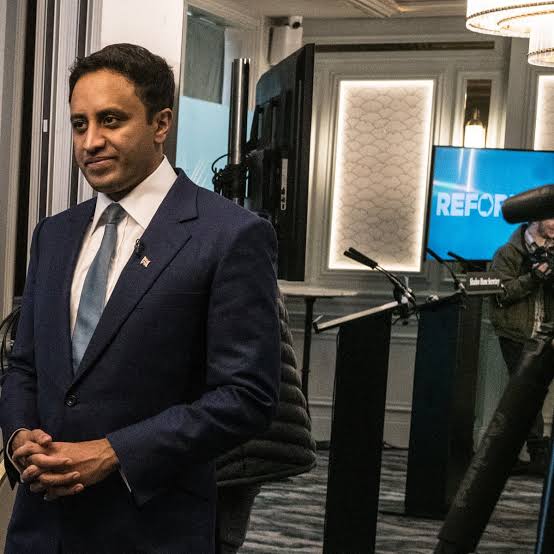
Nigel Farage’s Reform UK party has triggered a major backlash after proposing to block visas for citizens from countries demanding slavery reparations from Britain.
The policy, announced on Tuesday, would target nations actively seeking compensation for the transatlantic slave trade, including Commonwealth countries like Ghana and Jamaica.
Reform UK says the move is designed to reject what it calls unfair demands on the UK.
The party argues that Britain should not face reparations because it played a key role in abolishing the slave trade and helped enforce the global ban.
Zia Yusuf, Reform UK’s home affairs spokesperson, described the reparations calls as offensive and disconnected from Britain’s historical efforts.
The proposal has drawn sharp criticism from Caribbean leaders and international bodies.
The Caribbean Community (CARICOM), the African Union, and several Latin American countries have condemned the idea, insisting that reparations are essential for addressing the lasting damage caused by slavery and colonialism.
Hilary Beckles, chair of the CARICOM Reparations Commission, called the visa ban plan “tragic,” saying it punishes countries for simply asking for justice and echoes old attitudes that once resisted the end of slavery.
The debate over reparations has grown louder in recent years, with many calling for formal apologies, financial support, and the return of cultural artefacts taken during colonial times. Advocates argue these steps are needed to tackle deep-rooted inequalities that still affect former colonies today.British Prime Minister Keir Starmer has previously shown little interest in engaging with reparations demands, preferring to focus on building a better future rather than revisiting the past.
The controversy comes shortly after a United Nations resolution, supported by Ghana and others, declared the transatlantic slave trade as one of the gravest crimes against humanity and renewed calls for reparative justice. Several former colonial powers, including the UK, abstained from the vote.Reform UK currently holds only a few seats in Parliament but has been gaining strong support in recent polls ahead of the next general election.
The party’s bold stance on immigration and national identity is clearly aimed at appealing to its growing voter base.The proposal has further inflamed an already sensitive global discussion about historical responsibility and how countries should address the legacy of slavery.