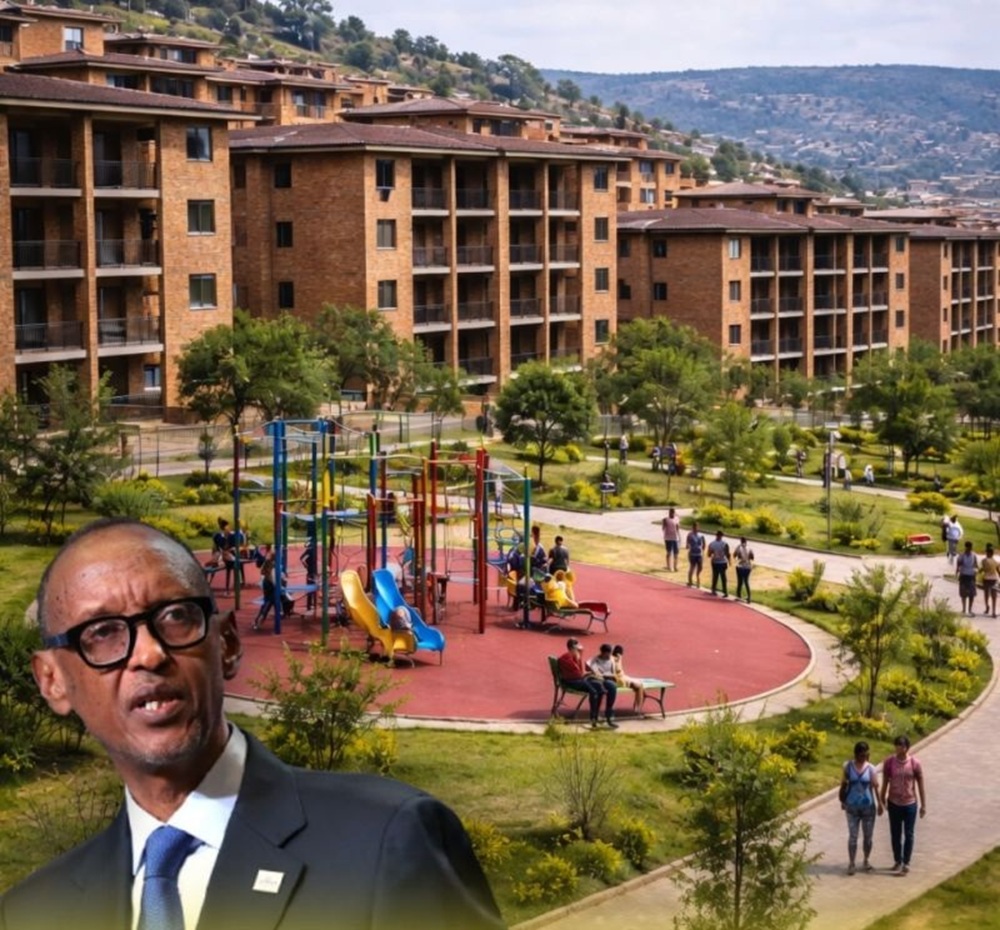
Rwanda is quietly reshaping the conversation around affordable housing in Africa by introducing a rent-to-own housing plan designed to help low-income families become homeowners without the burden of traditional mortgages. The initiative, starting in Mpazi and Nyabisindu in Kigali, reflects a broader shift in how governments are approaching urban housing challenges in fast-growing cities.
Table of Contents
At a time when homeownership remains out of reach for many working-class families across the continent, Rwanda’s approach focuses on long-term stability rather than short-term housing relief. Instead of forcing families to meet strict bank mortgage conditions, the programme allows tenants to gradually transition into homeowners by paying structured rent that builds equity over time.
Rwanda Rent-to-Own Housing Programme Explained
The rent-to-own housing programme is built on a simple but powerful idea. Families who cannot access bank loans or traditional mortgage systems can move into government-supported housing and pay monthly rent along with a small additional contribution that gradually leads to ownership.
Over a period of about twenty years, tenants are expected to fully own their homes, turning what would have been rental payments into a long-term investment in property and financial security.
How the Kigali Housing Project Works
The pilot phase in Mpazi and Nyabisindu is designed to test the model under real urban conditions. Government support plays a central role by providing affordable financing, structured payment plans, and regulated housing costs to ensure low-income families are not pushed out by rising property prices.
The system also reduces the need for large upfront deposits, which is often the biggest barrier preventing urban workers from owning homes. By spreading payments over two decades, the programme aligns housing ownership with realistic income levels in the local economy.
Why Rwanda’s Affordable Housing Strategy Matters
Housing is one of the most pressing urban development challenges in Africa. Rapid population growth in cities has pushed rental prices higher, increased pressure on infrastructure, and expanded informal settlements in many countries.
Rwanda’s rent-to-own plan directly addresses this problem by creating a structured pathway to ownership rather than leaving low-income households trapped in permanent rental cycles.
Economic Impact of Rent-to-Own Housing in Rwanda
Homeownership has long-term economic benefits that go beyond providing shelter. Families who own property tend to build financial stability, gain access to credit, and invest more in their communities. Property ownership also creates intergenerational wealth and reduces long-term poverty risks.
For Rwanda, the programme strengthens urban planning and economic inclusion at the same time. Instead of uncontrolled housing expansion, the government can manage city growth while ensuring citizens benefit from development.
This approach also supports the broader national development agenda by promoting stable communities, reducing housing insecurity, and encouraging private sector participation in affordable housing construction.
Government Support and Financing Structure
A key feature of the programme is the strong involvement of the government in financing and regulation. Traditional mortgages often fail low-income families because of high interest rates and strict credit requirements. Rwanda’s model reduces these barriers through subsidised financing and structured payment systems.
Role of Public Policy in Housing Accessibility
Government-backed housing programmes allow for better price control, improved infrastructure planning, and long-term sustainability. By combining public investment with private sector construction, the system ensures housing remains affordable while maintaining quality standards.
This type of policy intervention also reduces the risk of housing speculation and price inflation, which often push low-income residents out of urban areas in developing economies.
Future Implications for African Housing Markets
Rwanda’s rent-to-own housing model could influence housing policy across Africa if it proves successful. Many countries face similar housing deficits, with millions of urban residents unable to afford homes due to weak financing systems and rising construction costs.
Potential Expansion Beyond Kigali
If the Mpazi and Nyabisindu pilot projects perform well, the programme is likely to expand to other parts of Kigali and eventually to other cities in Rwanda. Scaling the model would significantly reduce the national housing deficit and strengthen long-term urban stability.
The initiative could also attract international investors and development partners interested in supporting affordable housing solutions in emerging markets.
Lessons for Other African Countries
Countries such as Ghana, Kenya, Nigeria, and South Africa face similar urban housing pressures. Rwanda’s approach provides a practical framework that balances government support, private investment, and citizen participation.
Instead of relying solely on public housing or private real estate markets, rent-to-own creates a hybrid system that promotes ownership while maintaining affordability.
A New Direction for Urban Development in Africa
The long-term impact of this initiative goes beyond housing. It introduces a new philosophy of development where access to property is treated as a pathway to economic empowerment rather than a privilege reserved for high-income earners.
By focusing on structured financing, inclusive urban planning, and gradual ownership, Rwanda is setting a precedent that could reshape how African cities address housing shortages in the coming decades.
The Bigger Picture
Rwanda’s rent-to-own housing plan represents more than a local policy experiment. It reflects a growing understanding that sustainable urban development must include realistic pathways to homeownership for ordinary citizens.
As cities across Africa continue to grow, policies like this may become essential in building stable communities, reducing inequality, and creating long-term economic resilience. The success of this initiative in Kigali could mark the beginning of a broader shift in how affordable housing is designed and delivered across the continent.
Also Read: Burkina Faso Rejects Claims of Over 1,800 Civilian Deaths Since Military Takeover