
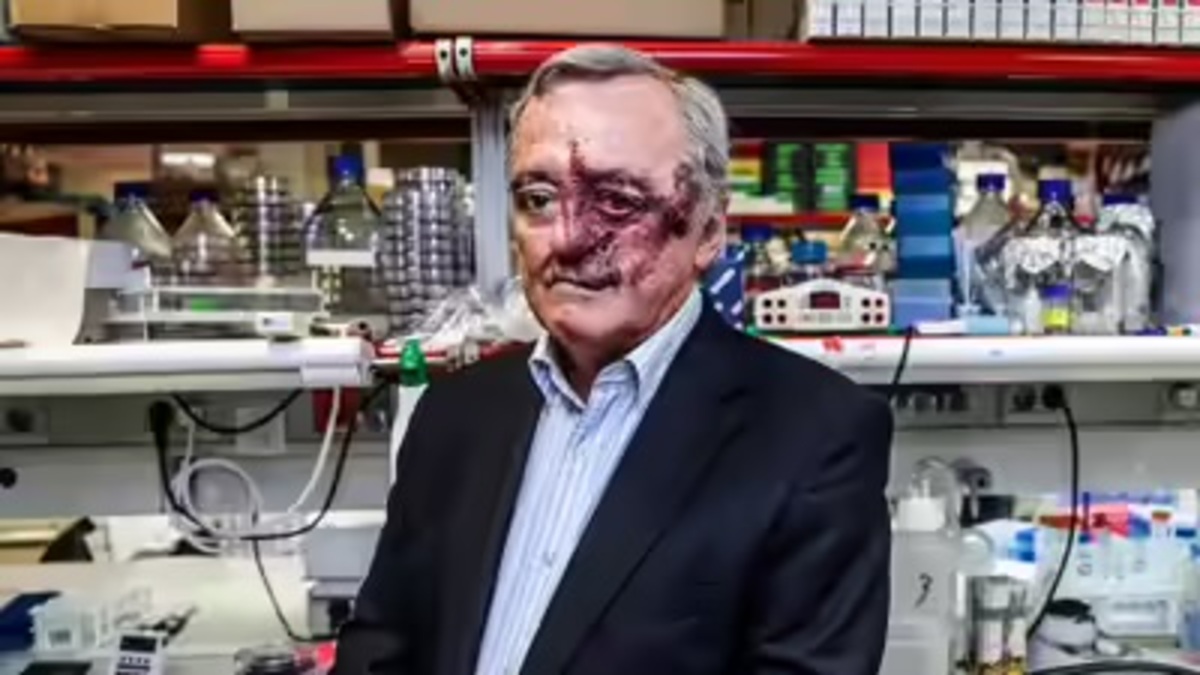
A Spanish research team led by Mariano Barbacid at the Spanish National Cancer Research Centre (CNIO) has developed a triple-drug therapy that completely eliminated aggressive pancreatic cancer in laboratory mice, with no relapse observed during extended follow-up. The therapy, which targets multiple tumour survival pathways simultaneously, prevented cancer cells from adapting—a major reason standard single-drug treatments often fail.
Pancreatic ductal adenocarcinoma is one of the deadliest cancers, largely due to its late diagnosis, treatment resistance, and dense tumour environment. Traditional therapies frequently fail because tumours rapidly bypass single-target drugs. The new CNIO approach tackles these challenges by shutting down several cancer survival mechanisms at once, achieving complete tumour elimination in mice while showing minimal side effects.
Barbacid, a pioneering cancer researcher who helped identify the first human oncogene in the 1980s, has long focused on KRAS-driven tumours, which account for roughly 90% of pancreatic cancers. This sustained research focus has contributed to the current breakthrough, described by peers as one of the most promising advances in pancreatic cancer therapy.
The findings, funded in part by Fundación CRIS Contra el Cáncer, were published in Proceedings of the National Academy of Sciences (PNAS) following rigorous peer review. Experts highlight the therapy’s durability and low toxicity as key factors for potential future human trials.