
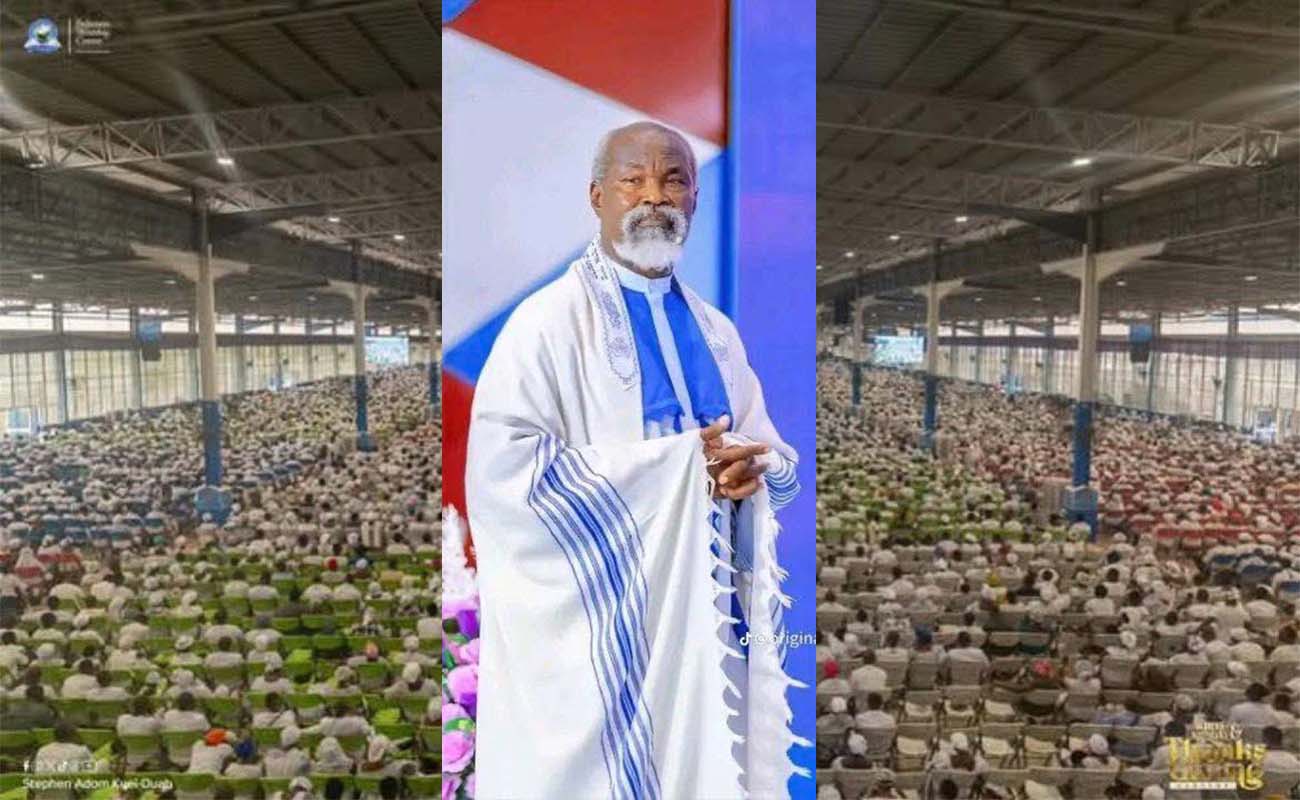
Reverend Stephen Adom Kyei Duah, founder and leader of the Philadelphia Movement, is preparing to roll out a massive financial support package aimed at easing hardship among thousands of his followers across the country. The planned disbursement, estimated at GH₵51,727,000, will benefit about 20,000 members, many of whom fall within vulnerable groups in society.
According to information available, the beneficiaries include widows, widowers, orphans and other less-privileged members within the Philadelphia Movement. The initiative is being described by church officials as part of the movement’s ongoing welfare and social responsibility efforts, especially at a time when the cost of living continues to put pressure on households.
Each selected beneficiary is expected to receive an amount ranging between GH₵2,000, GH₵2,500 and GH₵3,000, depending on individual circumstances and welfare assessments carried out by the church. Leaders within the movement say the variation in amounts is intended to ensure fairness, particularly for those with greater needs, such as families with dependents or individuals facing serious economic challenges.
Although the exact date for the disbursement has not been publicly announced, preparations are said to be far advanced. Internal coordination is ongoing to ensure that the funds are distributed smoothly and transparently, without confusion or overcrowding. Church officials have indicated that structured arrangements will be put in place at various centres to manage the process efficiently.
Reverend Adom Kyei Duah has, over the years, gained attention for combining spiritual leadership with social intervention programmes. Supporters of the Philadelphia Movement often point to similar past initiatives where members received assistance in the form of cash support, food items, business capital and medical aid. This latest intervention, however, stands out because of its scale and the sheer number of people expected to benefit.
Within the church community, the announcement has generated strong reactions, with many members expressing relief and gratitude. Some widows and elderly members say the expected support will help them settle rent, medical bills, school fees for children and small trading activities. For others, it represents a lifeline at a time when access to formal financial assistance remains limited.
Beyond the church, the planned disbursement has also sparked public conversation about the role of religious organisations in social welfare. Observers note that faith-based groups continue to fill gaps in community support, especially where state assistance does not easily reach the most vulnerable.
As Ghana continues to grapple with economic adjustments, initiatives like this are likely to draw attention to how non-state actors contribute to social stability. For Reverend Stephen Adom Kyei Duah and the Philadelphia Movement, the focus, according to close associates, remains on practical compassion—ensuring that faith translates into tangible support for those most in need.
