
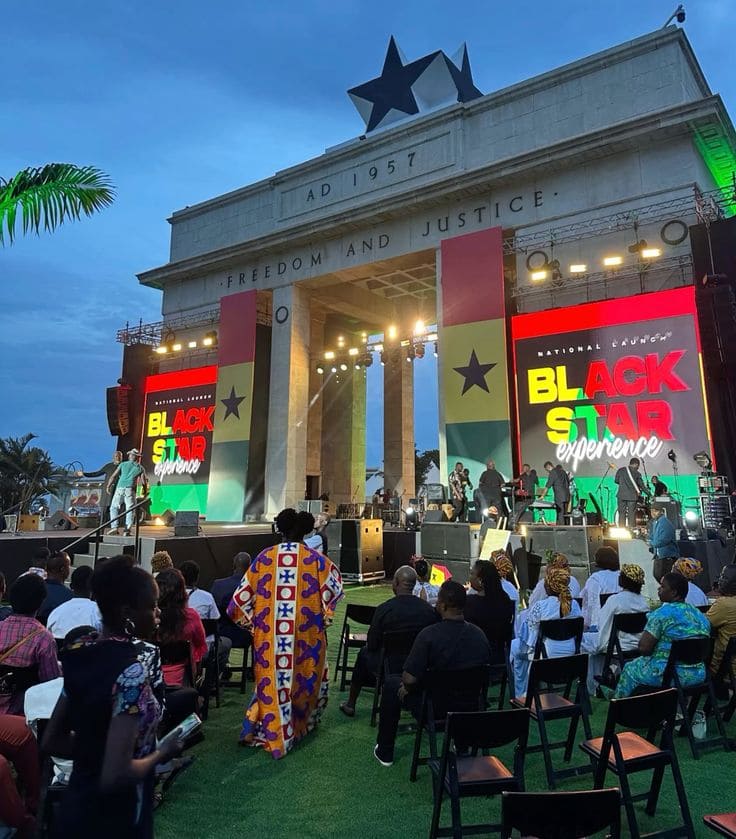
Ghana Is No Longer Just a Destination
Ghana is no longer simply a place people visit. It has become a place people connect with, invest in, and, in many cases, return to emotionally and spiritually.
Table of Contents
Over the past decade, the country has repositioned itself as one of Africa’s most culturally significant and globally attractive destinations. But what is happening now goes deeper than tourism numbers, beach resorts, or December festivities in Accra. Ghana is quietly transitioning into a model for sustainable tourism in Africa, where travel is not just about seeing places, but about preserving them.
At the center of this shift is the Beyond the Return initiative, a long-term vision that is redefining how tourism interacts with culture, economy, and community.
This is not tourism for spectacle. It is tourism with purpose.
Understanding Sustainable Tourism in the Ghanaian Context
Sustainable tourism is often misunderstood as simply “eco-friendly travel.” In reality, it is a much broader concept.
At its core, sustainable tourism is about creating a balance between economic growth, cultural preservation, and environmental protection. It ensures that tourism benefits local communities while protecting resources for future generations.
In Ghana, this idea takes on a unique dimension because tourism is deeply tied to history, identity, and diaspora connections.
Unlike traditional tourist economies that prioritize volume, Ghana’s approach is increasingly focused on impact.
That means:
Tourism must create jobs for locals
Tourism must preserve cultural heritage
Tourism must protect natural ecosystems
Tourism must build long-term economic value
This shift is what makes Ghana stand out in 2026.
From “Year of Return” to Beyond the Return: A Strategic Evolution
To understand Ghana’s current tourism direction, you have to go back to 2019.
The Year of Return was more than a campaign. It was a cultural moment. It marked 400 years since the transatlantic slave trade and invited people of African descent to reconnect with their roots.
The response was massive. Visitor numbers surged, and Ghana became a global focal point for diaspora engagement.
But the government understood something important. A one-year campaign could not sustain long-term impact.
That is why Beyond the Return was launched as a 10-year development framework running from 2020 to 2030.
This initiative is not just about tourism. It is about building an ecosystem around tourism.
It aims to:
Strengthen diaspora connections
Promote investment opportunities
Support cultural exchange
Develop infrastructure
Position Ghana as a global heritage destination
In simple terms, Ghana is shifting from “visit us” to “build with us.”
Why Sustainable Tourism Matters More Than Ever in Ghana
Tourism has become a major contributor to Ghana’s economy, supporting jobs, businesses, and infrastructure development.
But growth comes with challenges.
After the success of the Year of Return, there were concerns about rising prices, overcrowding, and pressure on local systems.
This exposed a critical truth.
Tourism without sustainability can harm the very communities it is supposed to help.
That is why Ghana’s current direction matters.
The country is actively trying to avoid the mistakes seen in other global tourist hotspots, where mass tourism leads to cultural erosion and environmental damage.
Instead, Ghana is focusing on a more balanced model.
Community-Based Tourism: The Real Engine of Change
One of the strongest pillars of sustainable travel in Ghana is community-based tourism.
This approach ensures that local people are not just participants but beneficiaries.
Across the country, communities are increasingly involved in:
Running guesthouses
Organizing cultural experiences
Managing eco-tourism sites
Hosting educational tours
This aligns with global best practices, where local ownership is key to sustainability.
In Ghana, this model is already visible in rural tourism experiences, cultural festivals, and heritage sites.
It ensures that tourism revenue does not remain concentrated in urban centers like Accra but spreads across regions.
Heritage Tourism: Preserving History While Driving Growth
Ghana’s tourism identity is deeply rooted in history.
Sites like Cape Coast Castle and Elmina Castle are not just attractions. They are emotional landmarks tied to the story of the African diaspora.
Events such as PANAFEST play a crucial role in this space, connecting visitors to history through storytelling, rituals, and cultural expression.
This form of tourism is inherently sustainable when managed properly.
It does not rely on artificial attractions. It draws from real history, real culture, and real identity.
And that gives it long-term value.
Eco-Tourism and Nature Conservation in Ghana
Beyond culture, Ghana is also positioning itself as an eco-tourism destination.
From rainforests to wildlife reserves, the country offers natural experiences that can be developed sustainably.
Eco-tourism in Ghana focuses on:
Protecting biodiversity
Promoting responsible travel
Supporting conservation efforts
Creating alternative income for rural communities
Globally, eco-tourism is becoming one of the fastest-growing segments in travel, and Ghana is aligning with this trend.
The key challenge is ensuring that development does not outpace conservation.
The Role of the Diaspora in Sustainable Tourism
One of the most unique aspects of Ghana’s tourism model is its connection to the African diaspora.
Unlike traditional tourists, diaspora visitors often have deeper emotional and cultural motivations.
They are more likely to:
Invest in local businesses
Support community initiatives
Return multiple times
Engage with heritage projects
This is exactly what Beyond the Return is designed to encourage.
It transforms tourism into long-term engagement rather than short-term visits.
Digital Transformation and Smart Tourism in Ghana
Technology is also playing a growing role in Ghana’s tourism evolution.
From online bookings to digital storytelling, the industry is becoming more accessible and globally visible.
Smart tourism tools are helping to:
Promote destinations internationally
Improve visitor experiences
Support sustainable planning
This digital shift is critical for attracting younger travelers who prioritize convenience, authenticity, and impact.
Challenges Ghana Must Address
Despite the progress, Ghana’s sustainable tourism journey is not without challenges.
Infrastructure gaps remain in some regions
Environmental protection needs stronger enforcement
Over-tourism during peak seasons can strain resources
Pricing disparities can affect local accessibility
These challenges are not unique to Ghana, but how they are managed will determine the success of the country’s tourism model.
Why This Story Matters for Africa
Ghana’s approach to tourism is not just important for the country. It is significant for Africa as a whole.
Many African nations are rich in culture and natural resources but struggle to convert tourism into sustainable economic growth.
Ghana is offering a different blueprint.
One that prioritizes identity over exploitation
One that values community over mass consumption
One that sees tourism as a long-term investment
If successful, this model could influence how tourism is developed across the continent.
The Future of Sustainable Travel in Ghana
Looking ahead, Ghana’s tourism industry is expected to evolve in several key ways.
More eco-friendly accommodations
Greater investment in rural tourism
Stronger diaspora engagement
Expansion of cultural festivals
Integration of technology in tourism experiences
The goal is not just growth.
The goal is responsible growth.
A New Definition of Travel
Travel in Ghana is changing.
It is no longer about ticking destinations off a list. It is about understanding history, supporting communities, and leaving a positive impact.
The country is proving that tourism can be both economically powerful and socially responsible.
And in a world where travelers are becoming more conscious of their impact, that approach is not just relevant.
It is necessary.

Beyond Tourism, It Is a Movement
What Ghana is building goes beyond tourism.
It is a cultural movement, an economic strategy, and a statement about identity.
The Beyond the Return initiative represents a shift in thinking.
From consumption to connection
From visits to belonging
From tourism to transformation
And that is why Ghana is not just a destination in 2026.
It is an experience that stays with you long after you leave.
Also Read: Ghana To Integrate Payment into Ghana Card