
In the end, cooler heads won – at least for the next two weeks.
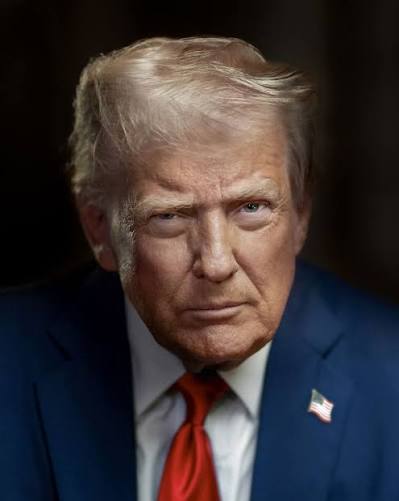
President Donald Trump announced on social media that the United States and Iran are “very far along” on a permanent peace deal.
To give negotiations time, both sides have agreed to an immediate ceasefire.
The clock was ticking: Trump had set an 8pm deadline for massive US strikes on Iranian oil facilities and transport networks if no agreement was reached.The deal is simple on the surface.
Iran will stop fighting and fully reopen the Strait of Hormuz to all commercial ships. In return, the US has paused its planned attack. Markets reacted fast – oil prices fell below $100 a barrel and US stocks jumped in after-hours trading.
For a moment, it feels like the worst is over.This ceasefire hands Trump a way out of a dangerous corner. Just days earlier he had warned that if Iran didn’t back down, “a whole civilisation will die tonight.”
That kind of language from an American president shocked people around the world. Democrats slammed it as reckless, with some calling for his removal. Even a few Republicans broke ranks, saying the threats were counterproductive and not who America is.
Yet the White House is already calling it a win. Trump says the US has “met and exceeded” all its military goals. Iran’s armed forces have been badly hit, several top leaders are dead, and the regime is weakened.
But big questions remain unanswered: What happens to Iran’s stockpile of enriched uranium? Can Tehran still stir trouble through its allies in the region? And will the Strait of Hormuz really stay open without Iran demanding tolls or favours?Iran’s foreign minister said the country will halt its “defensive operations” and allow safe passage through the waterway.
But Tehran also put forward a tough 10-point wish list: America must pull all its troops out of the region, lift every economic sanction, pay compensation for damage caused by the war, and accept Iran’s continued control of the strait.
Those demands are a long way from anything Trump is likely to accept, so the next two weeks of talks could still get rocky.For now, the fighting has stopped.
The US and Israel had launched coordinated strikes on Iran back in late February, and the conflict had dragged on for more than a month.
This pause gives everyone breathing room.
Trump faces his own pressures at home – sliding poll numbers, higher energy prices hurting the economy, and growing unease even inside his own party.
A clean off-ramp from war is a political relief. Still, the long-term price of his fiery words and the short war itself is far from clear. The world is watching to see whether this two-week truce turns into lasting peace or simply delays the next crisis.