
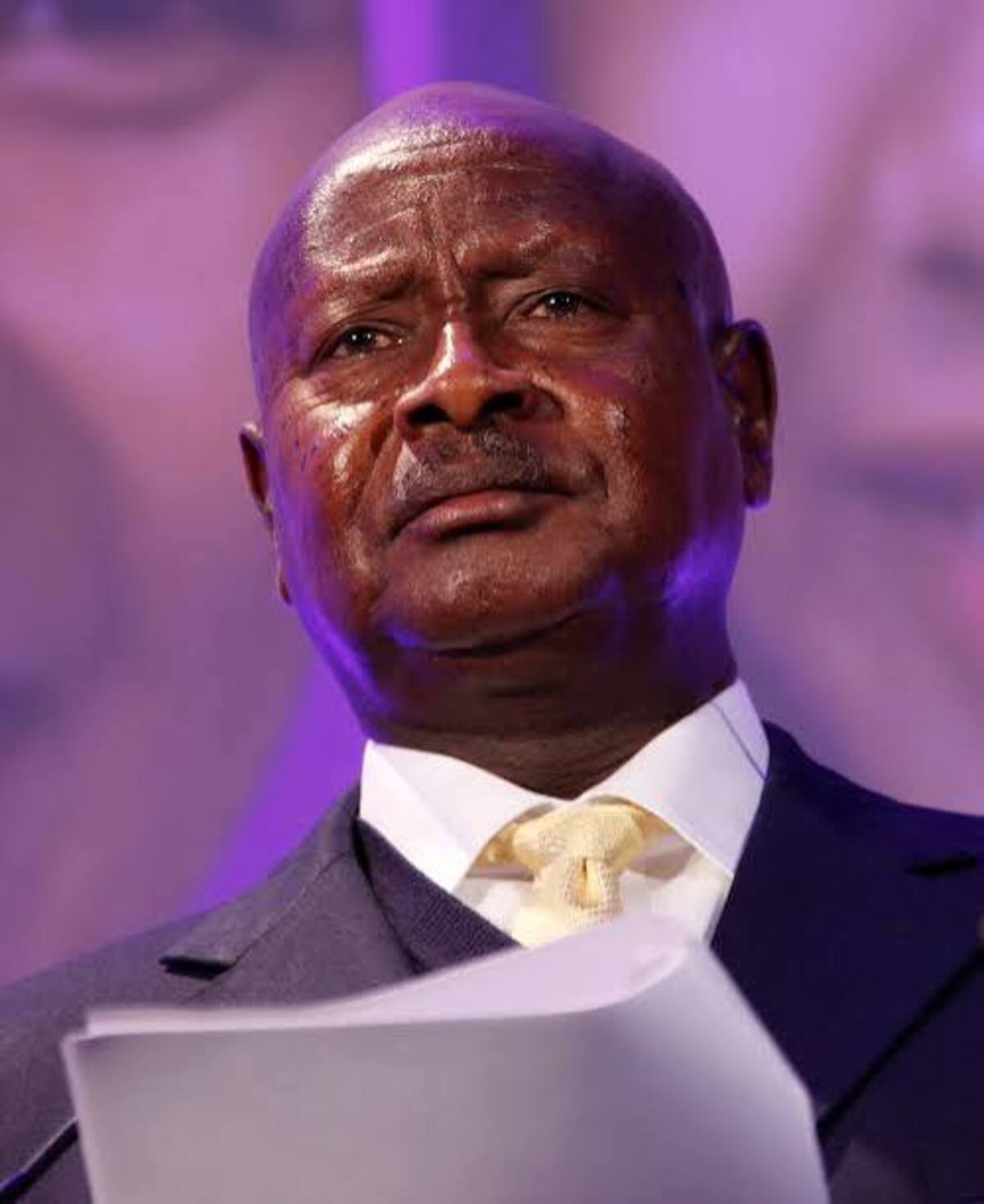
For nearly four decades, Yoweri Museveni has been the face of Uganda. When he seized power in 1986, he said, “the problem of Africa in general and Uganda in particular is not the people but leaders who want to overstay in power.” Now, at 81, he is seeking a seventh term, ruling over a nation where most citizens have never known another leader.
Museveni came to power as a liberator, toppling autocratic governments and promising change. He won praise for tackling the AIDS epidemic and defeating the brutal Lord’s Resistance Army. Yet, his decades in power have also been marked by corruption and authoritarianism. “Corruption has been central to his rule from the beginning,” said Kristof Titeca, a professor at the University of Antwerp.
Under Museveni, foreign allies were courted, refugees welcomed, and peacekeepers deployed across Africa. But at home, state services were hollowed out. Only one in four Ugandan children entering primary school reaches secondary school, according to UNICEF, while well-paid jobs remain scarce. Privatisation deals enriched relatives and cronies, fueling public anger.
Kizza Besigye, once Museveni’s doctor and ally, accused him of presiding over corruption and rights abuses. Museveni has nonetheless won all six elections he has contested, including four against Besigye, who was arrested in 2024 and faces treason charges. In 2005, parliament scrapped presidential term limits, effectively clearing the way for life in power.
“This is not a mere change of guard,” Museveni said at his swearing-in in 1986. “This is a fundamental change in the politics of our government.” Today, questions of succession loom large. His son, Muhoozi Kainerugaba, now a military chief, has risen rapidly, raising speculation about a dynastic handover. “The big question looming over the election is the question of succession,” said Titeca.
Despite signs of frailty, Museveni shows no intention of stepping aside. “Museveni is more frail now, but he is a workaholic… he will not leave even if he needs to use a walking stick,” said former editor Charles Onyango-Obbo. Opposition candidates like pop star Boni Wine face an uphill battle, and the country watches as a leader who promised change decades ago may now be shaping his own legacy and that of his son’s future before the nation’s eyes.