
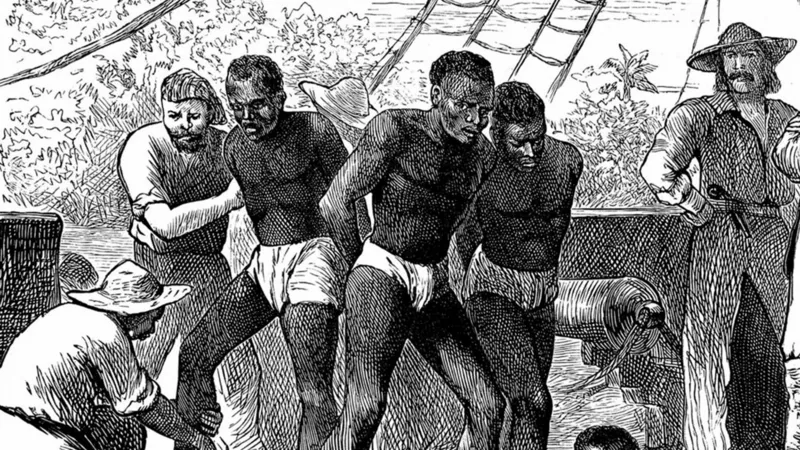
The United Nations General Assembly has just taken a major symbolic step: it has officially recognised the enslavement of Africans in the transatlantic slave trade as “the gravest crime against humanity.”
The resolution was proposed by Ghana and passed comfortably — 123 countries voted yes, only three voted no (the United States, Israel and Argentina), and 52 abstained, including the UK and most EU nations.It calls on countries involved in the trade to think seriously about apologising and helping set up a reparations fund, though it doesn’t name any specific dollar amount.
Ghana’s President John Mahama told the assembly it was a moment to do the right thing for history:“Let it be recorded that when history beckoned, we did what was right for the memory of the millions who suffered the indignity of the slave trade and those who continue to suffer racial discrimination.”
His foreign minister, Samuel Okudzeto Ablakwa, was direct with the BBC: African leaders aren’t asking for cash for themselves. They want practical justice — education funds, skills training, and endowment programmes to help the generations still living with the consequences.
Between 1500 and 1800, roughly 12 to 15 million Africans were captured and shipped to the Americas. More than two million are thought to have died on the horrific Middle Passage alone. The resolution, backed by the African Union and Caribbean countries, points out that the scars — racial inequality, poverty, and underdevelopment — are still felt by Africans and people of African descent everywhere today.
The UK acknowledged the “untold harm and misery” but argued that no single historical atrocity should be singled out as worse than others.
The US went further, saying there is no legal right to reparations for acts that weren’t illegal under international law at the time, and criticised what it called using old wrongs as leverage to shift today’s resources.Ghana knows this history intimately — the crumbling slave forts like Elmina still stand along its coast as chilling reminders of where tens of thousands of people were held before being loaded onto ships.The resolution also urges the return of cultural artefacts looted during colonial times, something Ablakwa described as essential for restoring heritage, culture and spiritual significance.General Assembly votes aren’t legally binding, but they carry real moral weight and can shift global conversations. Reparations talk has been building momentum — it was the African Union’s official theme for 2025, and Commonwealth leaders have already called for serious dialogue.For many, this vote feels like a long-overdue acknowledgment. For others, it’s mostly words without teeth. Either way, it puts the conversation firmly on the table.