
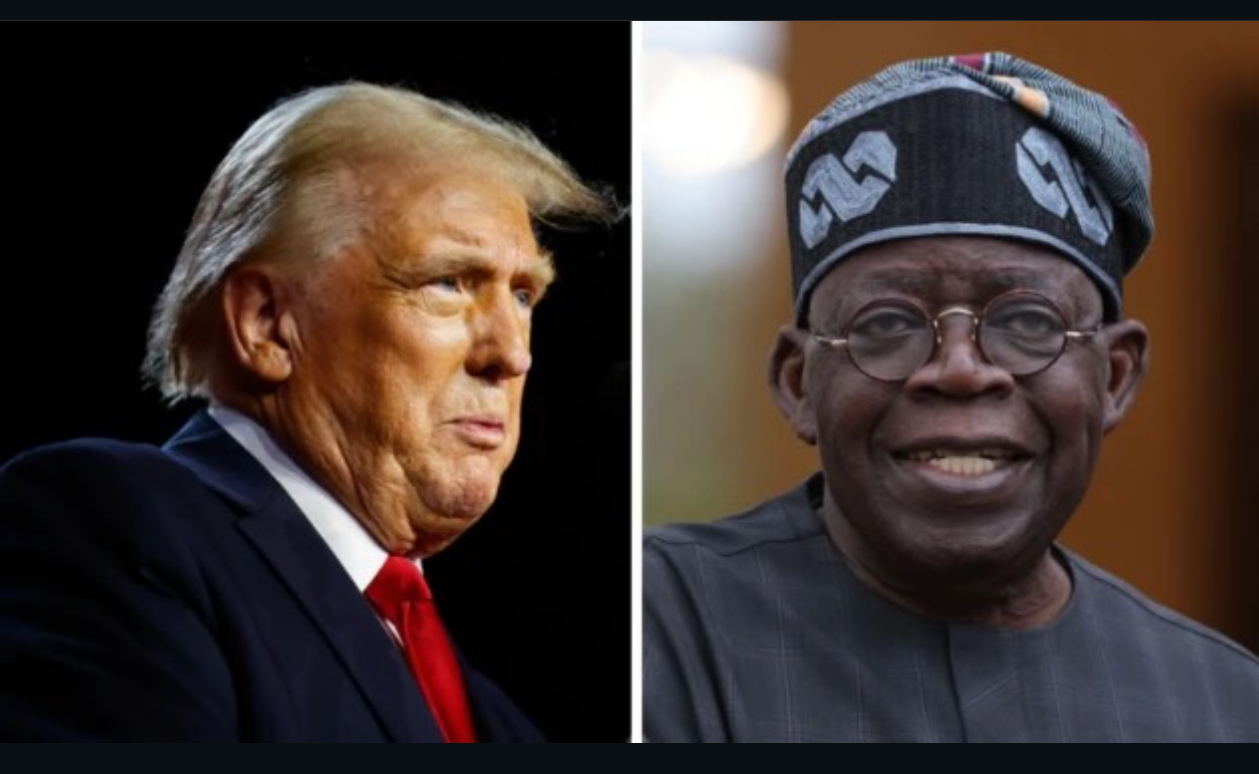
Nigeria has been added to a new list of countries facing partial travel restrictions as the United States moves to further tighten its immigration policies.
On Tuesday, December 16, President Donald Trump signed a proclamation expanding restrictions on foreign nationals from countries the White House described as high risk due to ongoing gaps in screening, vetting, and information sharing. The move, according to US officials, is aimed at protecting national security and public safety.
The decision was outlined in a fact sheet released by the White House the same day, titled “President Donald J. Trump Further Restricts and Limits the Entry of Foreign Nationals to Protect the Security of the United States.” Officials said the updated policy is based on data and what they called “common sense” security measures.
Under the new proclamation, Nigeria joins 14 other countries placed under partial entry restrictions. The list includes Angola, Antigua and Barbuda, Benin, Cote d’Ivoire, Dominica, Gabon, The Gambia, Malawi, Mauritania, Senegal, Tanzania, Tonga, Zambia, and Zimbabwe.
The proclamation also maintains full entry restrictions on nationals from 12 countries previously listed under Proclamation 10949. These are Afghanistan, Burma, Chad, the Republic of the Congo, Equatorial Guinea, Eritrea, Haiti, Iran, Libya, Somalia, Sudan, and Yemen.
In addition, five more countries have now been placed under full restrictions. They include Burkina Faso, Mali, Niger, South Sudan, and Syria. Individuals holding travel documents issued by the Palestinian Authority are also affected. Laos and Sierra Leone, which were previously under partial restrictions, have been upgraded to full restrictions.
Meanwhile, nationals of Burundi, Cuba, Togo, and Venezuela remain subject to partial entry limits.
Despite the expanded restrictions, the White House clarified that several exemptions still apply. Lawful permanent residents of the United States, existing visa holders, diplomats, athletes, and certain other visa categories are not affected. The proclamation also allows entry for individuals whose travel is considered to be in the national interest of the United States.
The inclusion of Nigeria is expected to spark reactions, especially among travelers, students, and professionals with ties to the US, as discussions continue around the broader impact of the policy.