

 By Aaron Hammond
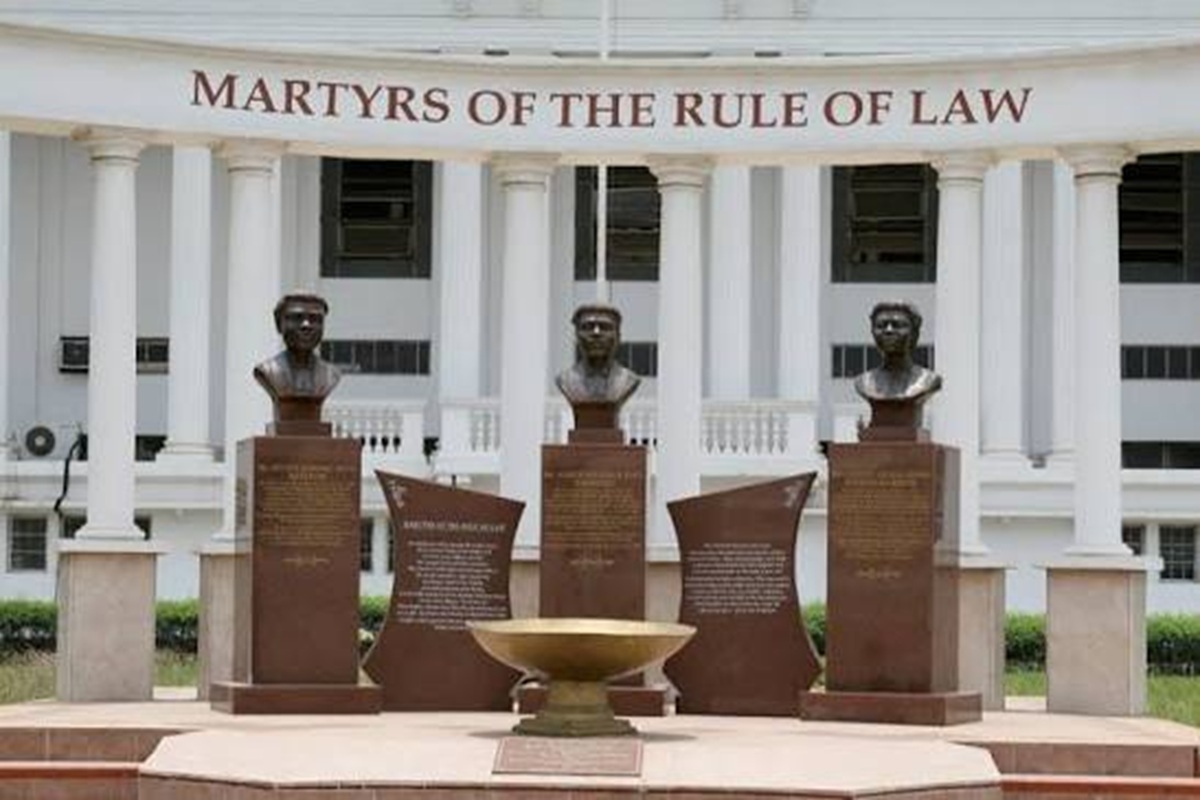
The Accra High Court awarded GH¢10 million in damages to Edward Akufo Addo, popularly known as “Bompty”, in a defamation case over claims that he used Ghana’s presidential jet for personal trips.
Edward, the younger brother of former President Nana Addo Dankwa Akufo Addo, sued Class Media Group, Accra FM presenter Kwabena Bobie Ansah, Mensah Thompson and Listowell Nana Kusi Poku over statements made on a radio programme in May 2021. Reports published in June 2022 said the court ordered the defendants to pay damages, retract the statements and issue an apology. The case became a major talking point about media responsibility and the need to support serious allegations with evidence.
How the Presidential Jet Controversy Started
The dispute followed comments made during Accra FM’s The Citizen Show on May 29, 2021. The comments alleged that Edward Akufo Addo had access to the presidential jet, also known as the Falcon, and used it for personal business. Edward rejected the claims and filed a defamation suit in June 2021, arguing that the statements had damaged his reputation. The defendants named in the case included Class Media Group, which operates Accra FM, as well as the presenter and two contributors to the programme.
What the GH¢10 Million Court Judgment Means
In June 2022, Ghana News Online reported that the High Court, presided over by Justice Charles Edward Ekow Baiden, awarded GH¢10 million in damages and ordered a retraction, an apology and an injunction against repeating the statements. The report said the court entered judgment against the defendants, including a default judgment against Listowell Nana Kusi Poku, who had failed to enter an appearance. These details matter because the ruling involved specific parties and legal orders, rather than a general declaration about media reporting.
Lessons for Ghana’s Media Industry
The presidential jet defamation case highlights the importance of checking facts before broadcasting allegations that could damage someone’s reputation. Journalists and commentators have a role in holding public institutions accountable, but they should distinguish verified information from claims that still need proof. Media organisations can reduce legal risks by checking documents, seeking responses from the people involved and correcting errors promptly. For the public, the case is also a reminder to look beyond headlines and examine what a court actually ordered. The reported GH¢10 million award, retraction and apology order form the central outcome of this long running dispute.
Also Read: Mahama Allocates GH¢200m to Reclaim 5,000 Acres of Land