
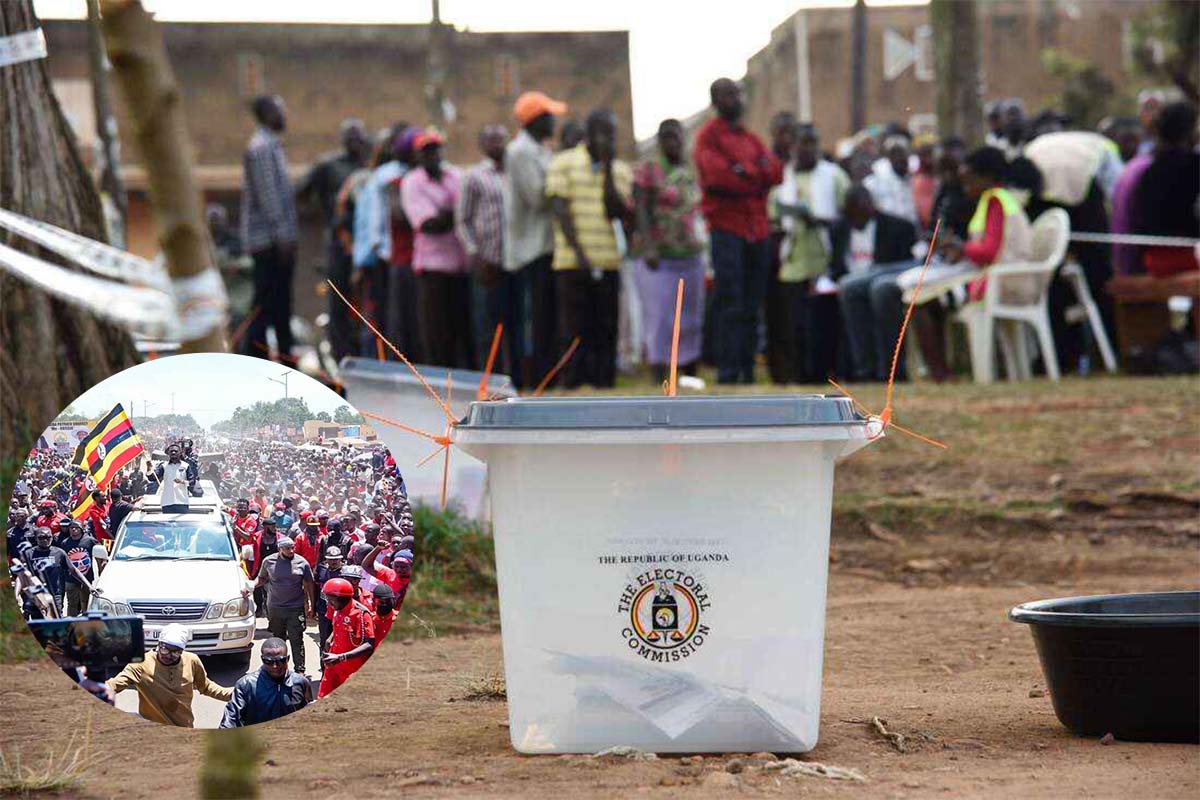
Uganda Votes Again: Museveni Faces Challengers as Nation Heads to Polls on January 15
Uganda is once again gearing up for a crucial election as millions of citizens prepare to head to the polls on Thursday, January 15. With more than 20 million registered voters expected to cast ballots, the stakes have never felt higher. But for many Ugandans, this election is about more than just choosing a leader — it is a test of faith in the country’s democratic process.
At the centre of this political drama is President Yoweri Museveni, 81 years old and seeking yet another term in office. Museveni has ruled Uganda for more than four decades, making him one of Africa’s longest-serving leaders. Analysts say his near-total control of state institutions — including security forces — gives him a heavy advantage in the race.

This time around, Museveni faces several challengers, each bringing a different message, a different base of support, and a different kind of energy.
Main Presidential Candidates in the 2026 Uganda Elections
Yoweri Museveni (NRM – Incumbent)
Museveni is the sitting president, leading the National Resistance Movement (NRM). His supporters credit him with bringing stability after years of turmoil in the 1980s and early 1990s. To them, he represents continuity and experience. But critics argue his government has grown too dominant, undermining democratic institutions and limiting political space.
Robert Kyagulanyi Ssentamu (Bobi Wine – National Unity Platform)
Bobi Wine, a former pop star turned politician, has become the most visible face of youth opposition in Uganda. His party, the National Unity Platform (NUP), draws heavy support among young voters who feel left behind by long-standing government rule. Bobi Wine’s message is clear: Uganda needs generational change, economic opportunities, and an end to entrenched leadership. His campaign rallies have been loud, energetic, and full of youthful optimism.
Nathan Nandala Mafabi (Independent)
Nandala Mafabi, a seasoned politician and economist, is running as an independent candidate. Known for his work in parliament and fiscal oversight, Mafabi presents himself as a candidate of prudence and reform. His supporters argue his experience in economic management makes him a credible choice if Uganda truly wants to see better governance.
Others in the Race
A few smaller candidates, each with their own niche support, are also contesting. Some campaign on local issues, others on reform agendas. While their chances of victory are slim, their presence reflects the diversity of voices trying to break into Uganda’s political mainstream.
Public Reaction: Voices from Uganda
Across corners of the country, reactions to the upcoming vote are mixed — and intense.
In Kampala, young voters are talking about Bobi Wine with excitement. “We want a new Uganda,” one university student said. “Museveni has been here too long. We want jobs, opportunity, and freedom to speak.” Many youths complain about unemployment, rising living costs, and what they see as political stagnation.
In smaller towns like Gulu and Mbale, some older residents still support Museveni. “We know what we had before him,” said a middle-aged trader. “At least now there is peace. It may not be perfect, but we don’t want chaos.”
Others are just tired. “This election feels like the same story every time,” said a boda-boda rider outside a polling station. “Whoever wins, nothing changes. But we still come out because this is our right.”

The Uneven Playing Field
Critics — including political commentators and civil society voices — argue the election environment is tilted in Museveni’s favour. Government control of security forces, influencing media, and limitations on opposition rallies have been raised as key concerns. Opposition supporters say these factors make it difficult to compete fairly.
Museveni’s supporters, on the other hand, say stability is more important than upheaval. “We need experience,” one local leader said. “Museveni has been there through war and peace. That counts for something.”
What Ugandans Are Really Voting For
Beyond personalities, this election is about trust, governance, and the future of Uganda’s democracy. Many voters are not just choosing a name — they are deciding if they believe in generational change or continuity.
Some Ugandans have expressed hope that peaceful elections can strengthen democratic norms. Others worry about post-election tensions, especially if results are close or contested.
Looking Ahead
As the sun rises on Thursday, January 15, Uganda will hold its breath. More than 20 million ballots will be cast. Voices will be heard. But whether the election brings real change or reinforces the status quo is a question that will be debated long after the counting ends.
For now, Ugandans across cities and villages are preparing to vote with hope, with doubt, and with the knowledge that this election may be one of the most consequential in the country’s recent history.