
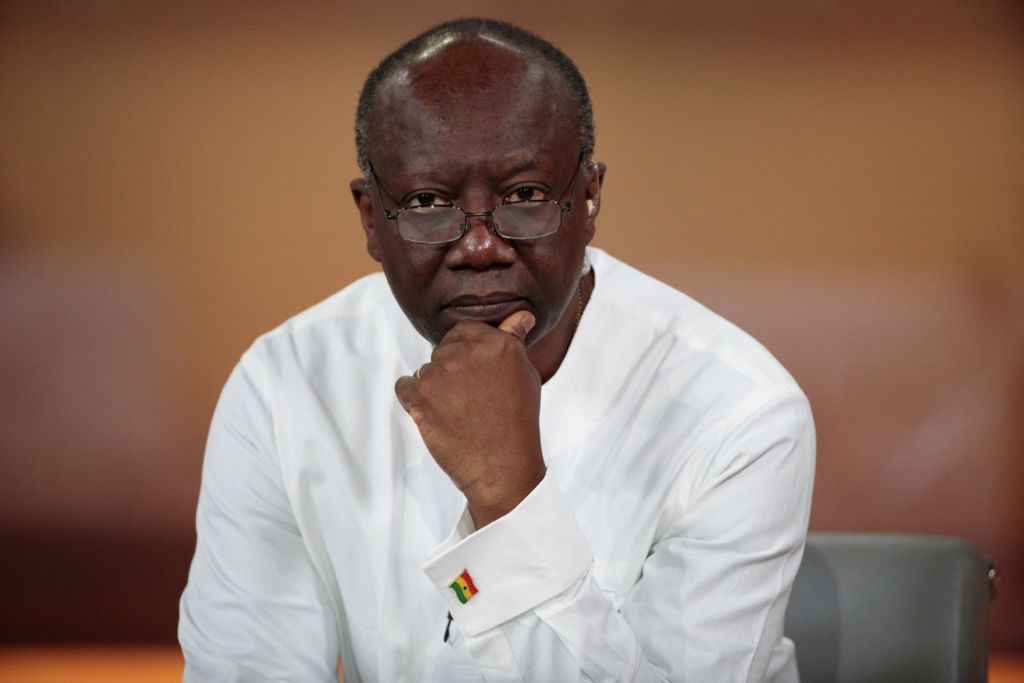
Readers who have been following the previous news around Ken Ofori-Atta and his movements outside Ghana will now find themselves confronting an even more disturbing development. The former Finance Minister is currently in the custody of US Immigration and Customs Enforcement (ICE), and the circumstances surrounding his detention are sparking intense political debate back home.
According to Ghana’s Ambassador to the United States, Victor Emmanuel Smith, ICE confirmed that Ken Ofori-Atta was medically fit to be held in a detention centre. That confirmation, while routine on paper, has raised eyebrows given the profile of the individual involved. What has truly unsettled many Ghanaians, however, is how the situation unfolded.
By accounts from officials familiar with the matter, Ofori-Atta did not attempt to evade the law. He reportedly complied fully with immigration instructions. His hearing was rescheduled, and he appeared as directed. Yet, instead of a straightforward process, he was taken into custody. To critics, this feels less like enforcement and more like an ambush. Some voices have gone as far as describing the situation as state-sanctioned kidnapping, warning that when due process turns into a trap, everyone becomes vulnerable.
The controversy deepened after the Ghana Embassy in Washington disclosed that Ofori-Atta declined consular assistance. Ambassador Smith admitted he was disappointed by the decision, explaining that the embassy had formally requested access to ensure the former minister was being treated properly, and that request was approved. Ofori-Atta, however, reportedly insisted he would only engage embassy officials in the presence of his lawyers.
That refusal has sharply divided public opinion in Ghana. Some see it as a strategic legal decision by a man who understands the seriousness of his situation. Others interpret it as an act of defiance or entitlement, especially given his years at the centre of national economic decision-making.
Predictably, partisan reactions have followed. An NPP communications team member, Manuel Darko, argued publicly that Ofori-Atta being held by ICE is better than him being in Ghana, claiming it could make prosecution easier for the Office of the Special Prosecutor. That statement alone has ignited outrage, with critics accusing political actors of trivialising due process and the rights of citizens.
Beyond party lines, the broader issue remains one of governance, accountability, and the protection of Ghanaians abroad. Whether Ken Ofori-Atta is viewed as a victim of overreach, a fugitive avoiding justice, or simply a public figure caught in a complex legal web, his ICE detention has reopened uncomfortable national conversations.
As events continue to unfold, this is no longer just another political headline. The Ofori-Atta ICE case is fast becoming a defining moment in Ghana’s political discourse, raising hard questions about power, justice, and how the state treats its own at home and abroad.
Also Read: Prof. Frimpong-Boateng Faces Expulsion Over Blunt Criticism of Bawumia and NPP Party Leadership