

 By Collins Sarkodieh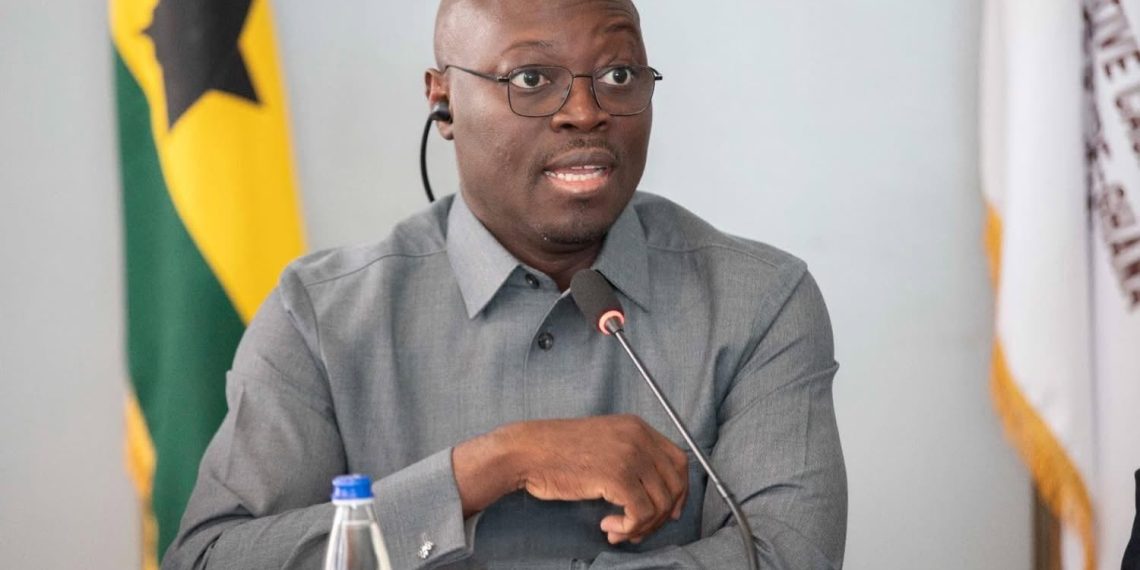
The global chocolate supply chain is experiencing a massive geopolitical shift right at its roots. Ghana and Côte d’Ivoire have officially agreed to completely harmonise their cocoa producer pricing policies in a historic bilateral move.
This strategic decision directly aims to improve local farmers’ incomes, stabilise volatile global markets, and radically strengthen economic cooperation between the world’s two largest cocoa-producing nations.
The Minister for Finance, Dr. Cassiel Ato Forson, announced the collaborative decision following the 7th Meeting of the Steering Committee of the Côte d’Ivoire-Ghana Cocoa Initiative. Held in Abidjan, the high-level convention brought together top agricultural policymakers right ahead of the highly anticipated Côte d’Ivoire-Ghana High-Level Summit on the Future of the Cocoa Economy. The two neighboring countries agreed to harmonise farm gate prices through a series of strict, coordinated institutional measures.
According to ministerial briefings, the cross-border agreement includes much stronger market cooperation through enhanced daily collaboration between respective trading rooms. The partnership also mandates increased technical data sharing and the full alignment of crop year calendars. By working together instead of competing, the two countries intend to eliminate the price disparities that have historically complicated regional trade.
The administrative arrangement will establish a dedicated technical task force made up of agricultural experts from both West African nations. This specialized team is tasked with designing a unified price coordination framework and periodically reviewing producer prices to match shifting global demands. Additionally, both nations officially agreed to align their cocoa crop calendars, setting the standard cocoa year to run from September 1 to August 31, starting with the 2026/2027 marketing season.
This policy shift addresses a massive economic loophole that has plagued the region for decades. Differences in producer prices between the two neighbors have frequently been cited by economists as a primary factor driving cross-border cocoa smuggling and severe domestic market distortions. The steering committee notes that these new harmonisation measures are explicitly intended to ensure better remuneration for rural farmers while supporting long-term stability and sustainability.
The meeting was successfully co-chaired by Dr. Forson alongside Côte d’Ivoire’s Minister of Agriculture, Bruno Nabagné Koné, as part of a broader effort to boost the global competitiveness of the African cocoa industry.
Together, Ghana and Côte d’Ivoire account for more than half of total global cocoa production, giving them immense leverage over the international marketplace. Beyond pricing, the committee finalized agreements to deepen scientific research cooperation, promote sustainable farming practices, and strengthen regional collaboration across the entire agricultural sector.
Also Read: Cocoa Crisis in Obengkrom: Chief Calls Out Leadership Over Falling Prices