

 By Collins Sarkodieh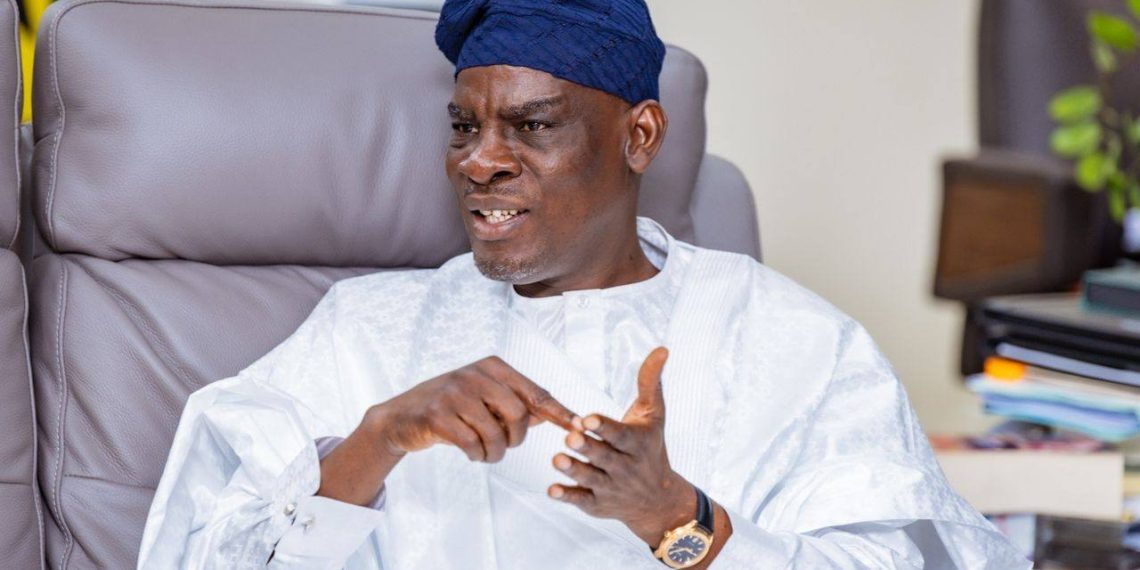
Finding qualified instructors for Islamic basic schools in Ghana is getting a major state solution. The Ministry of Education has announced plans to recruit fifty professional Arabic teachers by the end of July 2026 to tackle the acute shortage of instructors nationwide.
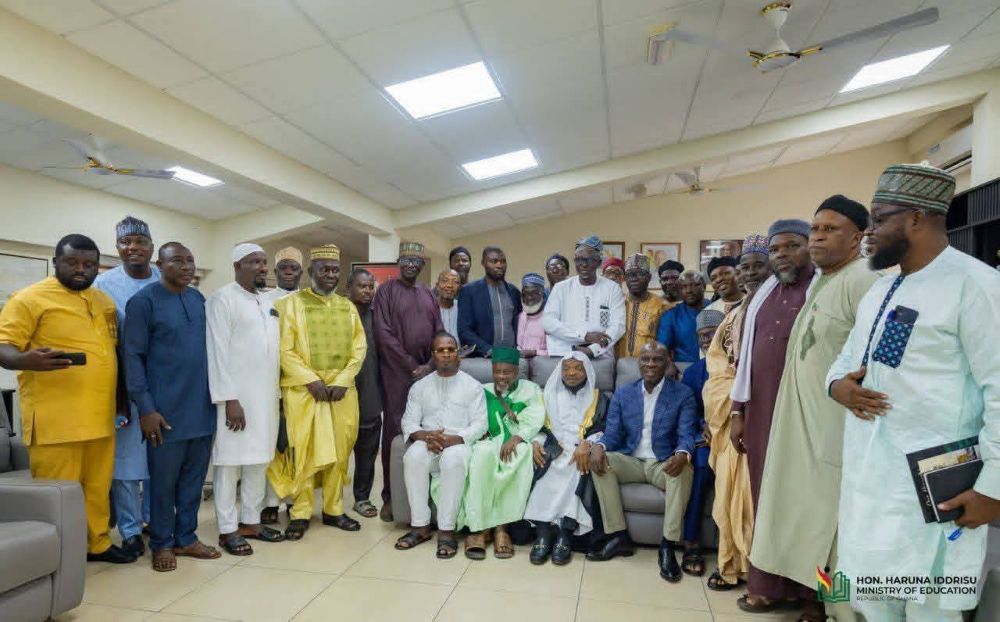
The Minister for Education, Haruna Iddrisu, revealed the urgent manpower plan during a strategic meeting with a high level delegation from the Conference of Regional Chief Imams in Accra. The state intervention aims to strengthen Islamic education, secure student welfare, and improve long term learning outcomes.
The incoming batch of instructors represents just the opening phase of a much larger national employment drive. According to a joint statement issued by the religious delegation, the government will recruit an additional five hundred permanent Arabic teachers in January 2027.
This mass placement will happen directly through the Ghana Education Service to systematically bridge the deep staffing gaps that have burdened Muslim communities for years. The Ministry is working in close alignment with the Islamic Education Unit to ensure these permanent hires deploy to the hardest hit regional districts.
The true scale of the educational crisis requires heavy logistics and financial planning to resolve. The General Manager of the Islamic Education Unit, Abdul Karim Bapuni, disclosed that Ghana currently has one thousand two hundred and ninety-nine Islamic basic schools nationwide.
While these institutions collectively require about three thousand and thirty-three Arabic teachers to run smoothly, only seven hundred and six instructors are currently on the official government payroll. This massive deficit leaves a gaping shortage of two thousand five hundred and twelve teachers across the country.
Beyond the lack of physical staff, basic Islamic schools are battling structural and academic limitations. Manager Bapuni highlighted the complete absence of a standardised Arabic curriculum and approved textbooks at the primary school level as major bottlenecks.
To address these challenges, the state is developing unified teaching guides alongside improved infrastructure for school monitoring. This comprehensive reform ensures our young students receive top-tier, structured language training that prepares them for global opportunities.
Also Read: Ghana’s Education Workforce Expansion: Government Recruiting 7,000 Teachers and 3,000 Lecturers