

 By Emmanuel Bamfo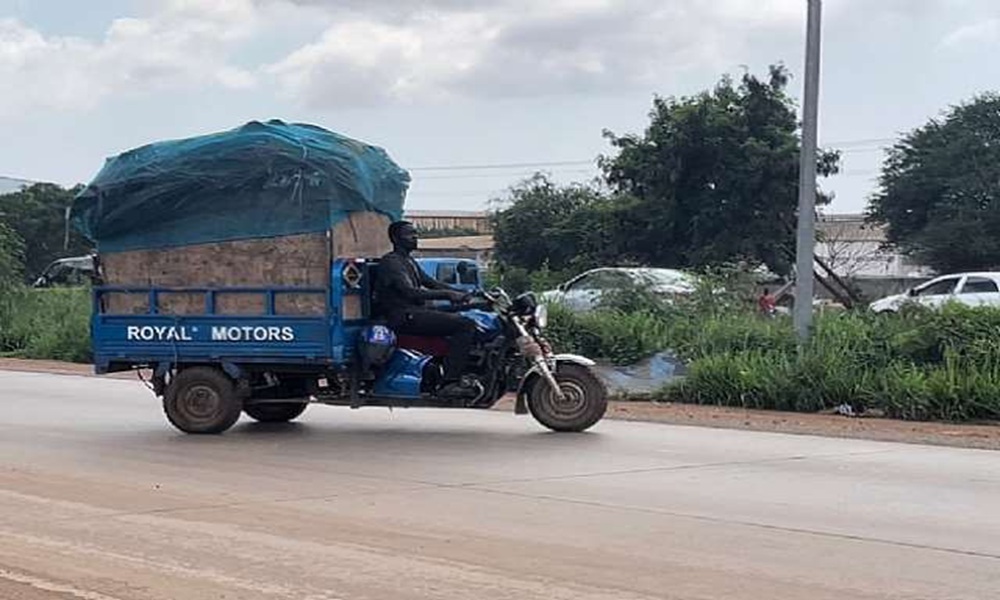
If you have ever woken up at dawn to the distinctive roar of a motor tricycle rattling down your street, you already know the iconic Aboboya. For years, these three-wheeled tricycles have practically carried household waste management on their backs across our major cities.
But let us be completely honest with ourselves for a moment. Have you ever gotten stuck behind one carrying a overflowing mountain of rubbish on a busy highway, praying that nothing flies off onto your windshield? IMO, while these operators deserve huge credit for filling a massive service gap, the entire setup has felt like an accident waiting to happen. The Government has finally stepped forward with an ambitious blueprint to phase out the chaotic traditional Aboboya runs in favor of a modern, heavily regulated waste collection network!
Out with the Risky Rides, In with Smart Vehicles
The Local Government Ministry, led by Minister Mahama Ayariga, recently revealed plans to replace standard tricycles with specialized, purpose-built waste vehicles. These will not be your average bare-bones motorbikes. We are talking about automated, self-loading, and automatic-tipping machines designed specifically for sanitation work.
-
Automated Mechanical Loading: Workers will no longer manually hoist heavy, leaking garbage bags over their shoulders.
-
Automatic Tipping Systems: The vehicles will discharge their load seamlessly at designated points without strenuous manual labor.
-
Enhanced Operator Safety: Ergonomic features mean far fewer physical injuries and health risks for sanitation staff.
Does anyone actually enjoy lifting fifty-pound trash bags into an open trailer under the scorching afternoon sun? I certainly wouldn’t! The Finance Ministry has already given the green light to fund these custom vehicles, signaling that real structural change is around the corner.
Restricting Long Trips on Major Highways
One of the biggest pain points of the current system involves slow-moving tricycles driving miles down high-speed expressways to reach distant landfills. Under the proposed framework, these small motorized collectors will operate exclusively within local residential zones. They will collect household waste nearby and drop it off at neighborhood transfer stations, leaving long-distance hauling to massive heavy-duty trucks.
The 5km Transfer Hub Network
To keep waste trucks from driving across entire regions just to dump a single load, the government plans to build dedicated waste transfer stations positioned no further than five kilometers from any residential community.
How many times have you argued with an informal trash collector over whether your bin counts as “half full” or “too heavy”? The new regulated framework completely eliminates that awkward guessing game through digital integration.
-
Mobile Money Integration: Partnerships with local banks and fintech platforms will allow households to pay directly via MoMo.
-
Pay-by-Weight Accountability: Operators will drop their collected waste onto digital scales at the transfer stations.
-
Fair System Payments: The facility weighs the refuse, calculating exact operator payouts based on actual tonnage delivered.
This setup creates a completely transparent ecosystem. Collectors get paid fairly for the exact work they perform, while households enjoy predictable, digitized service fees.
Universal Bins and the “Polluter-Pays” Model
Complementing the new fleet is a national strategy to supply standardized waste bins to households everywhere. Proper door-to-door collection requires proper storage, ending the days of makeshift plastic bags left on curb corners for stray animals to rip open.
Ever wondered why public spaces end up so cluttered despite endless cleanup campaigns? Lasting cleanliness requires clear personal accountability. By enforcing the “polluter-pays” principle, every home and commercial business takes financial responsibility for the waste they generate.
I personally cannot wait to see our highways free of hazardous, overloaded tricycles! :/ Granted, transition periods always bring a few operational bumps along the way, but turning an informal, dangerous hustle into a professional, tech-backed industry is a massive win for everyone involved.
Phase-shifting away from informal Aboboyas toward automated vehicles, digital MoMo payments, and local 5km transfer hubs marks a huge leap forward for urban sanitation. It protects collection workers from physical strain, keeps high-speed roads safer, and ensures every cedi spent on trash collection is fully accounted for.
What are your thoughts on replacing informal tricycles with a fully regulated, automated waste system? The transition will take time, but our urban landscape is finally heading toward a cleaner, safer future!
Also Read: A Plus announces 270mw solar project for gomoa