

 By Collins Sarkodieh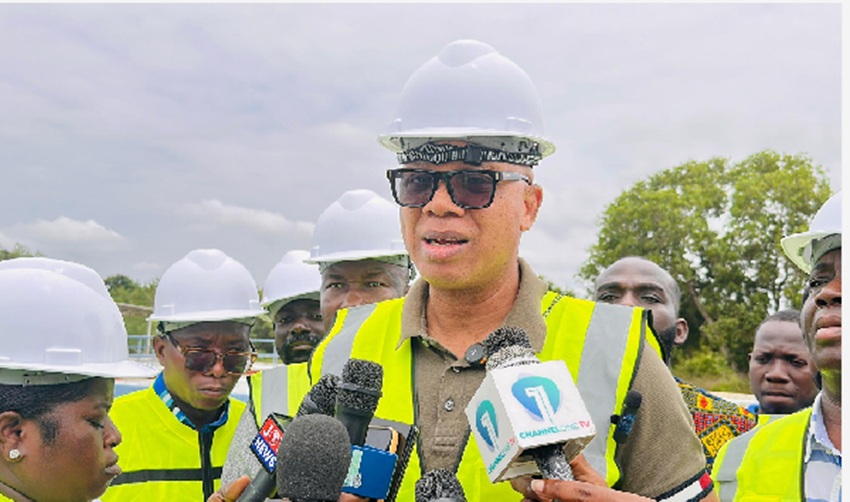
Ghana Water Limited (GWL) has successfully recovered GH¢3.7 million out of GH¢16 million accrued from a major crackdown on illegal water connections in Accra. Since August 2025, the utility provider has identified nearly 400 offenders through an intensive revenue protection exercise designed to curb water theft and improve the company’s financial stability.
Managing Director Adam Mutawakilu revealed during an inspection tour on May 11, 2026, that the number of identified illegal connections reached 397 as of the previous Friday. The exercise is part of a broader strategy to ensure that all consumers pay their fair share, thereby allowing the company to reinvest in aging infrastructure and expand water access to underserved communities.
The financial impact of illegal tapping is significant, with GH¢16 million in lost revenue identified so far. By aggressively pursuing these arrears, GWL is sending a clear message that water theft will no longer be tolerated. Offenders who fail to settle their liabilities face immediate disconnection and potential legal action in court.
How many illegal water connections has GWL identified in Accra?
Ghana Water Limited has identified 397 illegal connections in the Accra metropolis between August 2025 and May 2026. This number continues to grow daily as specialized monitoring teams move from neighborhood to neighborhood to inspect meters and main lines for unauthorized bypasses.
The Managing Director noted that while the team had found 375 cases initially, the count jumped to 397 within just a few days. This suggests that illegal tapping is a dynamic problem, with new unauthorized connections appearing as quickly as old ones are disconnected. GWL is now utilizing more sophisticated detection methods to keep pace with these “developing” illegalities.
The crackdown focuses on high-density areas and commercial zones where water consumption is naturally higher. By identifying these nearly 400 customers, GWL is not just recovering money but also stabilizing the water pressure in those areas, as illegal connections often cause leaks and reduced flow for paying customers.
What happens to customers caught with illegal water connections?
Customers caught with illegal water connections face a two-step enforcement process: they must first pay their outstanding liabilities in full or face a formal court process. Additionally, GWL immediately disconnects the offender from the water grid, and service is only restored once all accrued debts and penalties are settled.
Adam Mutawakilu emphasized that the court process is a last resort for those unwilling to cooperate. However, for those who acknowledge the theft, the company offers a path to regularization by paying for the estimated volume of water consumed illegally. This “pay to play” approach ensures that the utility can recover at least a portion of its lost operational costs.
Being taken off the grid serves as a powerful deterrent. In a city where water is an essential daily need, the threat of long-term disconnection is often enough to bring offenders to the table. The “Revenue Protection” teams are authorized to remove pipes and meters entirely to prevent re-connection until the case is closed.
Why is the GWL revenue recovery exercise important for Ghana?
The recovery of GH¢3.7 million is vital because it provides Ghana Water Limited with the liquid capital needed to maintain treatment plants and procure expensive water treatment chemicals. When GH¢16 million is lost to theft, it creates a massive deficit that hinders the government’s ability to provide clean water to all citizens.
Illegal connections do more than just drain the company’s bank account; they physically damage the infrastructure. Unauthorized T-junctions and bypasses are often poorly installed, leading to bursts that waste millions of liters of treated water. Every cedi recovered helps the GWL offset the rising costs of energy and maintenance required to run the national water system.
President John Dramani Mahama recently lauded Adam Mutawakilu’s performance at the helm of GWL, noting that the leadership was purposefully chosen to drive these reforms. This political backing gives the GWL management the necessary “teeth” to pursue high-profile offenders who may have previously felt protected from utility regulations.
Factual Insights into Ghana’s Water Management:
- Recovery Ratio: Out of GH¢16 million in identified debt from illegalities, GWL has successfully recovered approximately 23% (GH¢3.7 million) so far.
- Timeline: The current intensive crackdown has been running since August 2025, showing a sustained effort rather than a one-off raid.
- Offender Stats: As of May 8, 2026, the official count of identified illegal customers stood at 397.
- Regional Focus: While GWL operates nationwide, the current reported figures focus specifically on illegalities within the Accra region.
- Financial Accrual: The “GH¢16 million” figure represents the estimated volume of treated water that was consumed but not billed due to bypasses.
- Infrastructure Strain: Illegal connections are a primary cause of Non-Revenue Water (NRW), which in some West African cities can be as high as 40%.
How does GWL plan to improve revenue collection long-term?
Long-term, GWL plans to improve revenue collection by combining these aggressive “boots-on-the-ground” crackdowns with the installation of smart meters and digital monitoring systems. These tools allow the company to see real-time discrepancies between the volume of water sent to a district and the volume actually billed to customers.
By identifying “water loss zones” through data, the GWL can deploy its inspection teams more efficiently. Rather than searching blindly, they can target streets where the data suggests a significant leak or theft is occurring. This modern approach to utility management reduces the need for constant manual tours and increases the “hit rate” of their inspections.
The company also relies on whistleblowers. Citizens are encouraged to report suspicious piping or neighbors who appear to have an unlimited water supply despite having no functioning meter. As the GH¢3.7 million recovery proves, when the community and the utility work together, the financial health of the country’s water system improves for everyone.
A Clear Message for Water Thieves
The recovery of GH¢3.7 million by Ghana Water Limited is a significant milestone in the battle for utility accountability in Accra. Under the leadership of Adam Mutawakilu, GWL is proving that with consistent enforcement and political support, it is possible to claw back lost revenue and deter future theft.
As the exercise continues, the goal remains clear: to ensure that every drop of water used is a drop of water paid for. For the 397 customers caught so far, the “free” water has come with a very expensive price tag. If GWL can continue this momentum, the nation may finally see the infrastructure improvements its citizens have long been waiting for.
Also Read: Volta Region Water Disruption: GWL Announces Emergency Repairs at Kpeve Headworks