

 By Collins Sarkodieh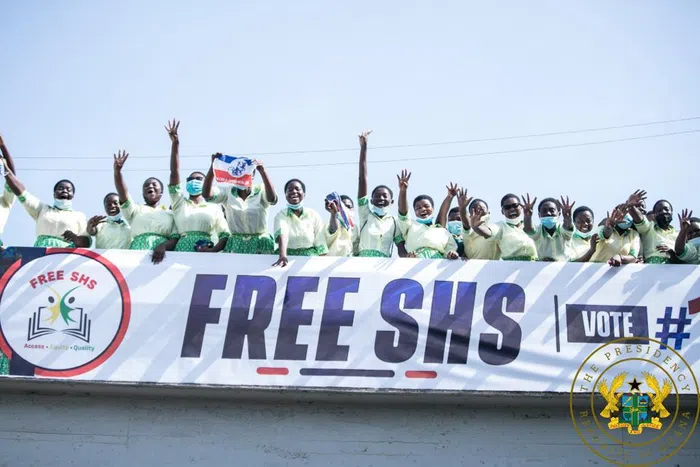
Education Minister Haruna Iddrisu has assured the nation that Senior High Schools (SHS) will no longer face food shortages thanks to the newly reviewed Free SHS policy. This stability is powered by the Ghana Education Trust Fund (Amendment) Bill, 2025, which uncaps GETFund to provide a dedicated and sustainable stream of financing for school feeding.
For years, many schools struggled with supply chain disruptions that occasionally forced students to return home early. The previous funding model faced immense pressure from rising enrollment numbers and fluctuating food prices. Under the new reforms, the government has prioritized “uninterrupted feeding” as a non-negotiable component of secondary education.
The minister’s announcement in Tamale marks a pivotal shift in educational management. By addressing the root cause funding bottlenecks the government aims to eliminate the logistical nightmares that previously plagued school heads. With the amended law now in effect, the focus turns from “survival mode” to improving the overall quality of nutrition and infrastructure in schools nationwide.
How does the amended GETFund law prevent food shortages?
The amended GETFund law prevents food shortages by “uncapping” the fund, allowing 100% of the GETFund levy to be directed toward educational needs like school feeding and infrastructure. Previously, a portion of these funds could be diverted to other sectors, but the 2025 reforms ensure that the money follows the student directly into the dining hall.
This legislative change provides a permanent financial cushion against inflation and supply chain delays. By making the GETFund levy input tax-deductible, the government has also created a more efficient tax environment for businesses, which indirectly supports the pool of funds available for education. It is essentially a “ring-fencing” strategy for the future of Ghanaian youth.
Lawmakers pushed for these reforms because the old system was buckling under the weight of record-breaking student enrollment. With the funding now “sustainable and predictable,” the National Food Buffer Stock Company (NAFCO) and other suppliers can be paid on time, ensuring that food trucks arrive at school gates long before the pantry runs dry.
What are the key reforms in the reviewed Free SHS policy?
The reviewed Free SHS policy focuses on decentralized food procurement and the integration of free education for persons with special needs and disabilities. Unlike the older, strictly centralized model, the new reforms aim to give school authorities more flexibility while maintaining strict financial oversight through the GETFund Secretariat.
Beyond just feeding, the policy now covers free tertiary education for persons with disabilities (PWDs). This holistic approach ensures that the “Free SHS” promise doesn’t end at the high school gate but extends into specialized training and higher learning. It is a “cradle-to-career” educational framework designed for inclusivity.
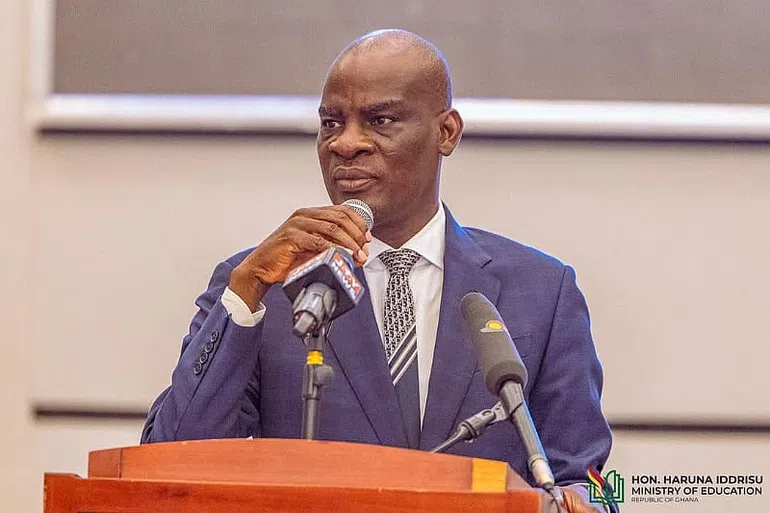
A major highlight of the review is the commitment to stop “disruptive breaks.” In the past, some schools sent students home because they simply couldn’t afford to feed them for the full term. Minister Haruna Iddrisu’s assurance suggests that the financial tap is now fully open, meaning the academic calendar can proceed without “hunger-induced” holidays.
The feeding of Free Senior High School, we came to the realisation that there were many times schools had to be closed down or, in the course of the academic year, students had to be asked to go home because there was inadequate food available.
Why was the “uncapping” of the GETFund necessary?
Uncapping the GETFund was necessary because the previous “capping” policy limited the amount of revenue the education sector could actually use, often leading to massive arrears in payments to contractors and food suppliers. By removing this cap, Parliament has unlocked billions of Cedis that were previously redirected to other government expenditure areas.
The pressure on Ghana’s education system has reached an all-time high, with infrastructure demands growing alongside enrollment. Capping was a fiscal tool used to manage the national budget, but educators argued it was “suffocating” schools. The 2025 Amendment Bill was the legislative “oxygen” needed to keep the Free SHS program breathing.
The new structure also makes the GETFund levy input tax-deductible, which is a technical but vital change for the business community. This ensures that the tax system remains fair while consistently generating the revenue required to feed millions of students three times a day, 365 days a year (well, during term time, at least).
That is now under a review of the Free Senior High School, a thing of the past. There are adequate resources and adequate funding from that fund to finance Free Senior High School.
Factual Insights into Ghana’s Education Funding:
- Legislative Milestone: The Ghana Education Trust Fund (Amendment) Bill, 2025, was specifically designed to provide “uncapped” funding for Free SHS.
- Inclusivity Goal: The new law covers 100% of tuition and feeding for persons with special needs and persons with disabilities at the tertiary level.
- Tax Reform: The GETFund levy is now officially input tax-deductible, a move welcomed by the Association of Ghana Industries (AGI).
- Supply Chain Fix: The reforms target the National Food Buffer Stock Company (NAFCO) to ensure “just-in-time” delivery of grains and protein to schools.
- Infrastructure Impact: A portion of the uncapped funds is earmarked for the completion of E-blocks and other stalled dormitory projects.
- Enrollment Statistics: Since 2017, SHS enrollment in Ghana has increased by over 50%, putting significant strain on existing dining facilities.
What is the role of the National Teaching Council (NTC) in these reforms?
While the GETFund handles the money and food, the National Teaching Council (NTC) ensures the quality of instruction by regulating the professional standards of the teachers who lead these students. The recent commissioning of the NTC regional office in Tamale is a sign that the government is decentralizing “quality control” alongside “food supply.”
A well-fed student still needs a well-trained teacher. The NTC’s role is to license teachers and ensure they are following the modern curriculum that the Free SHS program provides. By improving the working conditions and administrative support for teachers in regions like the Northern Region, the government is tackling education from both a nutritional and academic perspective.
Ultimately, the “Green City” of education is one where the stomachs are full, the classrooms are modern, and the teachers are motivated. The Minister’s assurance on food is the first pillar, but the NTC’s work on professionalization is the second pillar that keeps the entire structure of the Free SHS policy standing.
A Hunger-Free Future for Ghana’s Schools
The assurance that “no SHS will face food shortages again” is a bold promise that rests entirely on the successful implementation of the 2025 GETFund reforms. By uncapping the funds and streamlining the supply chain, Minister Haruna Iddrisu is attempting to close a difficult chapter in the history of the Free SHS program.
For parents and students, this means more time focusing on books and less time worrying about the next meal. If the government can maintain the fiscal discipline required to keep the GETFund uncapped, Ghana may finally have a sustainable model for free, quality, and most importantly uninterrupted secondary education.
Also Read: GES Denies Authorizing Fees Under Free SHS: Protecting Ghana’s Education Policy