

 By Zobia Zulfqar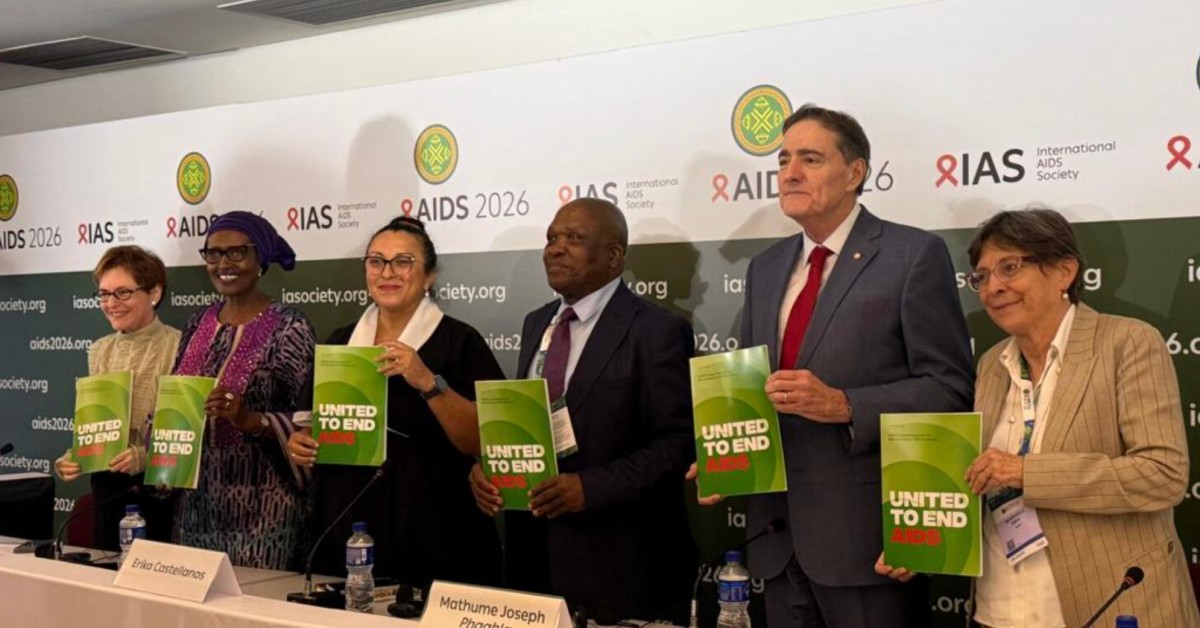
International donor funding for HIV programmes in low and middle income countries recorded its sharpest annual decline in 2025, raising fresh concerns about the future of HIV prevention, treatment and care services worldwide. According to a new report released at the 26th International AIDS Conference in Rio de Janeiro, donor government contributions dropped by US$2.1 billion, marking the largest single year reduction since global HIV financing efforts began.
The report, titled United to End AIDS, was jointly produced by the Joint United Nations Programme on HIV/AIDS (UNAIDS) and KFF, an independent health policy research organisation. It revealed that donor government disbursements declined by 25 percent, falling from US$8.3 billion in 2024 to US$6.2 billion in 2025. This represents the lowest level of international HIV funding recorded since 2007.
Health experts warned that the decline threatens decades of progress made in reducing new HIV infections, expanding treatment access and improving survival rates among people living with HIV. They cautioned that funding shortages could weaken national HIV programmes, reduce access to life saving medicines and limit prevention services in many vulnerable communities.
According to the report, the reduction in funding was driven largely by lower contributions from the United States, historically the world’s largest donor to global HIV programmes. The report noted that cuts in international assistance have already disrupted community based health services, affected prevention campaigns and created uncertainty for organisations working on HIV response efforts.
Researchers explained that many countries rely heavily on donor support to finance HIV testing, treatment, counselling, prevention programmes and public education campaigns. With fewer resources available, governments and health organisations may struggle to maintain services that have helped reduce HIV related deaths over the past two decades.
The report stressed that sustained investment remains essential to achieving global targets aimed at ending AIDS as a public health threat. Without adequate funding, experts warned that gains made in controlling the epidemic could be reversed, particularly in countries with fragile health systems and limited domestic resources.
Health officials also expressed concern that reductions in donor support could disproportionately affect women, children, adolescents and other vulnerable populations who depend on publicly funded HIV services. Community organisations providing outreach, education and support programmes may also face financial difficulties if international funding continues to decline.
The findings were presented during the International AIDS Conference, one of the world’s largest gatherings of scientists, policymakers, healthcare professionals and civil society organisations working on HIV prevention and treatment. Delegates used the conference to discuss emerging challenges and identify strategies for sustaining progress despite growing financial pressures.
UNAIDS officials called on governments to increase domestic investment in healthcare while encouraging international partners to maintain their commitment to global HIV programmes. They emphasised that shared responsibility remains critical to ensuring continued access to treatment and preventing new infections.
The report highlighted that investment in HIV programmes delivers benefits beyond disease control. Strong HIV services often strengthen national healthcare systems by improving laboratory capacity, expanding community health networks and increasing access to essential medical services. Funding reductions therefore have broader implications for public health beyond HIV alone.
Experts also warned that declining financial support could undermine efforts to combat stigma and discrimination against people living with HIV. Many community organisations rely on donor funding to provide education, legal assistance and psychosocial support that encourage people to seek testing and treatment without fear of discrimination.
Despite the financial challenges, the report acknowledged that many countries have made important progress in expanding domestic health financing and improving programme efficiency. However, it noted that domestic investment alone may not be sufficient to replace the scale of international assistance lost in 2025.
Health advocates urged governments, development partners and international financial institutions to work together to close the funding gap before it affects millions of people who depend on HIV services. They emphasised that preventing interruptions in treatment remains essential to reducing HIV transmission and protecting public health.
The report concludes that maintaining global momentum against HIV will require renewed political commitment, sustainable financing and stronger international cooperation. Without immediate action to restore funding levels, experts warn that the world risks reversing years of progress in the fight against one of the most significant global public health challenges.
Also Read: Ghana Launches Diplomatic Protest Over Canada Visa Denial of Thomas Partey