

 By Zobia Zulfqar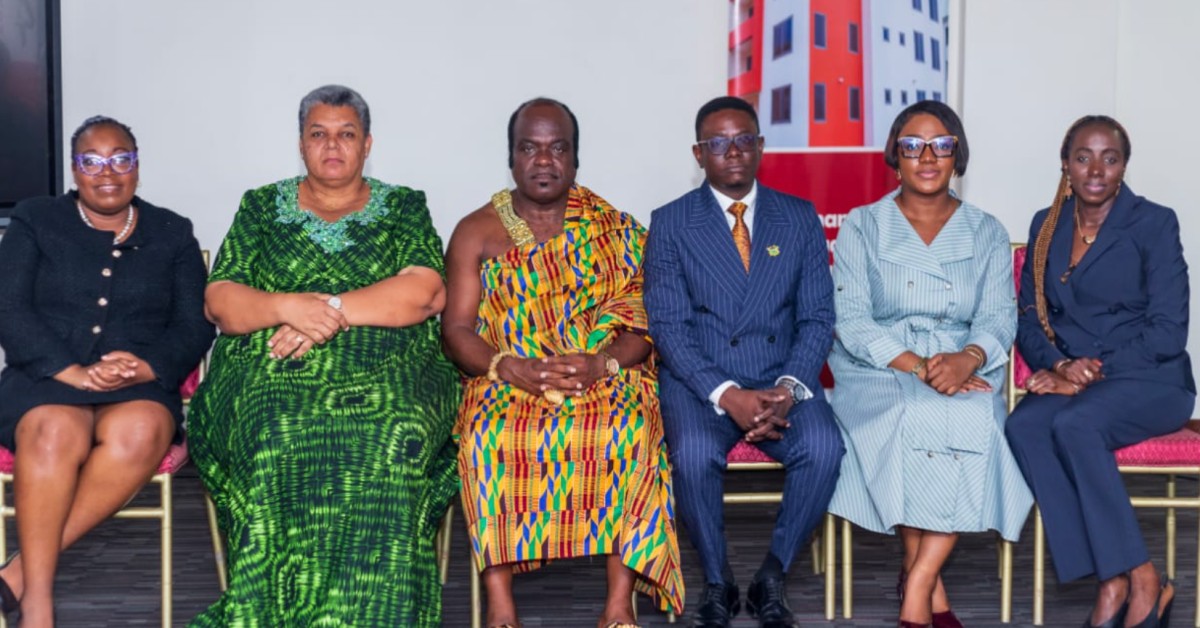
The Government has called for greater mobilisation of private and long-term capital to help bridge Ghana’s housing deficit and expand access to affordable homes for citizens.
The Government said public expenditure and state-led housing projects alone would not be sufficient to meet the country’s growing demand for housing, making stronger private sector participation essential to addressing the challenge.
The call was made by Mr Thomas Ampem Nyarko, Deputy Minister for Finance, at the Fourth Annual General Meeting of the National Homeownership Fund (NHF). His speech was read on his behalf by Madam Amerley Nunoo Amarteifio, Director of Legal at the Ministry of Finance.
Mr Nyarko said Ghana needed innovative financing models, credible institutions, long-term capital and suitable risk-sharing mechanisms to make homeownership more accessible to more Ghanaians.
He also emphasised the importance of strong public-private partnerships in expanding housing supply and creating financing opportunities for households that struggle to afford homes under existing market conditions.
According to the Deputy Minister, the scale of Ghana’s housing needs requires a coordinated approach involving government, financial institutions, developers, investors and other stakeholders in the housing sector.
He said relying solely on government resources would place significant pressure on public finances while limiting the number of homes that could be developed to meet rising demand.
Mr Nyarko therefore encouraged the mobilisation of private capital and other long-term sources of financing to support housing development and make affordable homeownership a more realistic goal for Ghanaian households.
He noted that housing should not be viewed only as a social responsibility. It also plays an important role in Ghana’s broader economic transformation.
According to him, investment in housing creates employment opportunities across the construction and real estate sectors while generating demand for locally produced building materials and related services.
The housing sector also supports financial services, manufacturing, transportation and other economic activities linked to construction and property development.
Mr Nyarko said greater investment in housing could therefore produce benefits beyond providing shelter, contributing to job creation, business expansion and wider economic activity.
The Deputy Minister’s comments come as Ghana continues to face significant challenges in providing adequate and affordable housing for its growing population.
For many households, the cost of purchasing or constructing a home remains a major financial burden. Limited access to affordable mortgage financing, high construction costs and rising demand have also created difficulties for prospective homeowners.
The Government believes increased participation from private investors could help expand the supply of housing while reducing some of the pressure on public resources.
Long-term capital, in particular, could provide developers and housing finance institutions with the funding needed to undertake projects over extended periods, allowing repayment structures to better match the financial capacity of homebuyers.
Mr Nyarko stressed that appropriate risk-sharing mechanisms would also be necessary to attract investors into affordable housing.
Such mechanisms could help reduce some of the risks associated with large-scale housing projects and encourage greater participation from institutional investors and other private capital providers.
He further highlighted the need for credible institutions capable of managing housing finance programmes transparently and efficiently.
The National Homeownership Fund has a key role in efforts to expand access to housing finance and support homeownership among Ghanaians. The Fund’s annual general meeting provided an opportunity for stakeholders to assess developments in the sector and discuss measures to improve housing access.
The Government’s position reflects a broader push toward partnerships between the public and private sectors in financing development projects.
Under such an approach, government institutions would help establish policies, regulatory frameworks and financing structures, while private investors would provide additional capital, expertise and capacity for project delivery.
Stakeholders in the housing sector have also continued to emphasise the importance of improving access to mortgage finance and reducing the cost of housing development.
Increasing the availability of affordable housing would also help address overcrowding and improve living conditions for households across the country.
The Government said continued collaboration among stakeholders would be essential to developing sustainable solutions to Ghana’s housing challenge.
Mr Nyarko reaffirmed the Government’s commitment to creating an environment capable of attracting long-term investment into the housing sector.
He said mobilising private capital, strengthening institutions and developing effective public-private partnerships would be critical to expanding housing opportunities and supporting Ghana’s economic transformation.
The Government’s call is expected to encourage renewed discussions among investors, financial institutions, developers and policymakers on innovative ways to finance affordable housing projects and make homeownership more accessible to Ghanaians.
Also Read: U.S. Embassy in Accra to Suspend Most Consular Services from July 20 to July 31