

 By Ishmeal
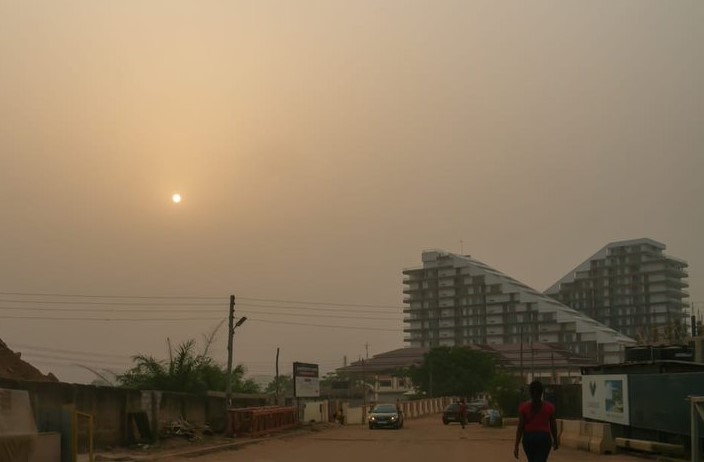
Ghana is preparing for another dry season, with the Ghana Meteorological Agency (GMet) warning of hotter, drier and dustier conditions from late November 2026.
The Harmattan season often brings dusty winds, low humidity and uncomfortable weather. It can affect people’s breathing, skin and eyes, while dry vegetation and unsafe household practices can increase the risk of fires.
Although the weather may be difficult to avoid, families can take simple steps to protect their homes and loved ones.
Here are practical ways to prepare.
1. Keep Harmattan dust out of your home
Fine dust can enter through open windows, doors, louvre blades and other gaps. It settles on furniture, bedding, food and household equipment.
To reduce dust inside your home:
- Keep windows and doors closed during periods of heavy dust, especially when strong winds are blowing.
- Use door seals or suitable materials to close large gaps where dust enters.
- Wipe furniture, window frames and other surfaces with a damp cloth.
- Mop floors with water instead of dry-sweeping, which can send dust back into the air.
- Wash curtains, bedsheets and mosquito nets regularly.
- Cover drinking water, cooked food and kitchen utensils.
- Clean fans and air-conditioner filters regularly.
Do not burn rubbish or use smoky materials indoors as a way of dealing with dust. Smoke can make indoor air quality worse.
2. Protect your family from dry air
Low humidity can cause dry skin, cracked lips, irritated eyes and discomfort in the nose and throat. People with asthma and other respiratory conditions may also experience worsening symptoms.
The Ghana Health Service has previously advised the public to take precautions during Harmattan, including drinking enough water, using moisturisers and reducing exposure to dust.
Families should:
- Drink water regularly throughout the day, even when they do not feel thirsty.
- Eat fruits and foods with high water content.
- Apply moisturiser or shea butter to help prevent dry and cracked skin.
- Use lip balm to protect dry lips.
- Wear sunglasses or protective eyewear outdoors when dust levels are high.
- Wash hands regularly and avoid rubbing dusty eyes.
- Wear suitable protective face masks when exposure to heavy dust cannot be avoided.
Parents should pay particular attention to young children, older family members and people with asthma or other existing health conditions.
People with asthma should follow their prescribed treatment plan and keep their medication available. Anyone experiencing serious breathing difficulties should seek medical attention promptly.
3. Take extra care of children and vulnerable relatives
Children may spend time playing outdoors without recognising the effects of dusty conditions.
Parents and guardians should limit outdoor activities when the air is particularly dusty, especially for children with asthma or other breathing problems.
Keep children hydrated and protect their skin from excessive dryness. During cool Harmattan mornings, dress younger children in suitable clothing to keep them comfortable.
Older relatives and people who are unwell should also be checked regularly. If someone develops a persistent cough, breathing difficulty or unusual symptoms, seek advice from a health professional.
GMet has also warned of increased seasonal meningitis risk, particularly in northern Ghana. A high fever accompanied by a severe headache or stiff neck requires urgent medical attention.
4. Reduce the risk of household fires
Fire prevention is especially important during the dry season because dry grass, leaves and other materials can catch fire easily.
The National Disaster Management Organisation (NADMO) advises households to avoid leaving cooking unattended, keep flammable materials away from heat sources and have suitable fire extinguishers accessible.
Families should also:
- Remove dry leaves, rubbish and other flammable materials from around the house.
- Avoid burning dry grass, refuse or vegetation.
- Keep matches, lighters and candles away from children.
- Never leave candles, charcoal fires or cooking appliances unattended.
- Switch off electrical appliances when they are not in use.
- Avoid overloading extension boards and electrical sockets.
- Replace damaged electrical wires and plugs.
- Keep curtains, paper and clothing away from naked flames and hot appliances.
Every household should have a clear escape route and ensure that family members know what to do if a fire breaks out.
5. Handle LPG cylinders safely
Gas safety should not be overlooked during the Harmattan season.
The Ghana National Fire Service has cautioned households against keeping LPG cylinders inside kitchens, particularly in enclosed spaces where a leak could create serious danger.
To reduce the risk:
- Keep LPG cylinders upright in a well-ventilated area outside the kitchen.
- Check gas hoses, regulators and connections regularly.
- Replace damaged or worn-out hoses.
- Do not overfill gas cylinders.
- Turn off the gas supply after cooking.
- Keep cylinders away from naked flames and other heat sources.
If you smell gas, do not light a match, operate electrical switches or use equipment that could create a spark. Keep people away from the area and seek assistance from a qualified professional.
6. Avoid bush burning and protect your surroundings
Dry grass and vegetation can allow fires to spread quickly, particularly when strong winds are blowing.
Do not burn rubbish or dry vegetation around your home, farm or community. Instead, use safe waste-disposal methods and clear dry materials from areas around buildings.
Report uncontrolled fires immediately. Do not attempt to fight a large or fast-spreading fire yourself.
7. Prepare for power cuts and emergencies
Power interruptions can lead families to use candles, lanterns and other alternative lighting sources.
Rechargeable lamps and torches are safer options where available. If candles must be used, place them on stable, non-flammable surfaces and keep them away from children, curtains and other materials that can catch fire.
Keep emergency contacts accessible and make sure your family knows the nearest safe exit from the house.
In Ghana, call the Ghana National Fire Service on 192 or the national emergency number 112 when there is a fire emergency.
A simple Harmattan home checklist
Before the dry season becomes intense, check that your household has:
- Clean curtains, bedding and mosquito nets.
- A damp cloth and mop for dust removal.
- Covered drinking water and food containers.
- Drinking water and basic skin-care products.
- Prescribed medication for family members who need it.
- Properly checked LPG hoses and regulators.
- Safe electrical connections.
- A working fire extinguisher, where available.
- Clear exits and a family emergency plan.
Final word
Harmattan is a familiar part of Ghana’s weather, but its effects should not be taken lightly.
Keeping dust under control, drinking enough water, protecting vulnerable family members and practising fire safety can make a significant difference.
Preparation should begin before the dusty winds become intense. A few simple habits can help keep your home cleaner, your family healthier and your surroundings safer throughout the dry season.
Also Read:2027 Budget To Be Presented At 6Pm On Thursday