

 By Ishmeal
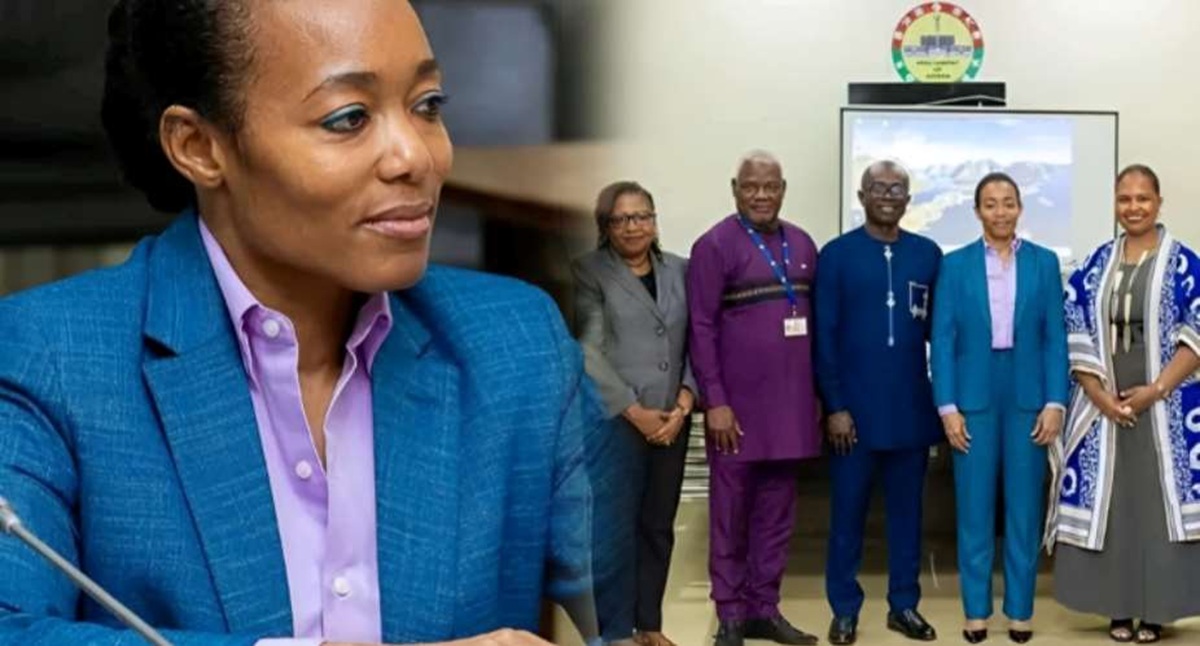
Ghana’s fight against illegal mining, popularly known as galamsey, has taken on renewed urgency after the Minister for Environment, Science and Technology, Dr Zanetor Agyeman-Rawlings, described the use of hazardous chemicals in illegal mining as “a form of chemical warfare.”
The minister warned that the uncontrolled use of chemicals such as mercury and cyanide poses serious risks to human health, water resources and the environment.
According to a report by Citi Newsroom, Dr Agyeman-Rawlings made the remarks after touring parts of the Eastern Region, where she expressed concern about illegal mining activities continuing despite efforts to protect the environment.
Her comments have renewed attention on the dangers associated with galamsey and the need for stronger measures to protect Ghana’s natural resources and the health of its people.
Minister Raises Alarm Over Mercury and Cyanide
Dr Agyeman-Rawlings explained that the use of hazardous chemicals outside properly regulated mining operations exposes communities to potential contamination and serious health risks.
She likened the practice to chemical warfare because its consequences can extend beyond mining sites and affect people who may have no direct involvement in illegal mining.
The minister stressed that the issue should not be treated solely as an environmental problem but also as a public health concern.
She warned that contamination of water bodies, destruction of farmlands and damage to ecosystems could threaten livelihoods and undermine the wellbeing of communities.
The concerns are particularly significant for people who depend on rivers and other natural water sources for their daily activities. Contamination can make water treatment more difficult and increase the risks faced by communities exposed to polluted environments.
Illegal Mining Activities Near Major Road Raise Concerns
During her visit to the Eastern Region, the minister also expressed concern about illegal mining activities at Osino, where operations were reportedly taking place less than 200 metres from a major road.
She described what she observed as disturbing and called on the Eastern Regional Security Council (REGSEC) to examine the circumstances allowing such activities to continue.
The concern highlights the need for effective enforcement of mining and environmental regulations, particularly where mining operations may threaten public safety.
Dr Agyeman-Rawlings indicated that more decisive action was needed to address illegal mining and prevent further damage to the country’s natural resources.
Minister Calls for Environmental Fast-Track Courts
The Environment Minister has called for the establishment of environmental fast-track courts to help speed up the prosecution of offences involving environmental destruction.
She argued that people who violate environmental laws should face the appropriate consequences, stressing that illegal mining should not be reduced to a political debate.
The minister also pointed to efforts to provide alternative opportunities for small-scale miners to operate legally and sustainably, including training in safer mining practices.
She expressed concern that some individuals continue to engage in illegal activities despite initiatives intended to support responsible mining.
The proposed environmental courts, if established, could provide a dedicated mechanism for handling environmental cases more quickly. However, their effectiveness would depend on the legal framework, available resources and consistent enforcement of court decisions.
Forest Reserves and Ghana’s Future at Risk
Dr Agyeman-Rawlings also raised concerns about the destruction of forest reserves through illegal mining.
She referred to remarks made by the President at the Mining in Motion event indicating that more than 30 forest reserves had been encroached upon by illegal miners, with nine identified as red zones where areas had been cleared.
Forest reserves play important roles in protecting biodiversity, supporting ecosystems and regulating water resources. Their destruction can therefore have consequences that extend far beyond the immediate mining areas.
The minister warned that continued damage to forests, rivers and agricultural land could affect Ghana’s ability to protect its natural resources and provide for future generations.
A Call for Stronger Action Against Galamsey
The minister’s statement has placed renewed emphasis on the connection between illegal mining, environmental destruction and public health.
Addressing the problem requires effective law enforcement, responsible mining practices, environmental monitoring and cooperation among security agencies, local authorities and affected communities.
It is also important to ensure that people who report environmental violations can do so safely and that investigations are conducted fairly.
Ghana’s natural resources support communities, agriculture, livelihoods and economic development. Protecting them requires sustained action rather than temporary interventions.
Dr Agyeman-Rawlings has called for stronger collaboration between the Environment Ministry, the Eastern Regional Coordinating Council and security agencies to improve enforcement and support the restoration of degraded lands.
The challenge now is to translate these concerns into practical measures that reduce illegal mining, protect water bodies and forests, and hold offenders accountable under the law.
Also Read:19 Year Old Arrested Over Girls Death At Buduburam
Source:Ghana News Page