
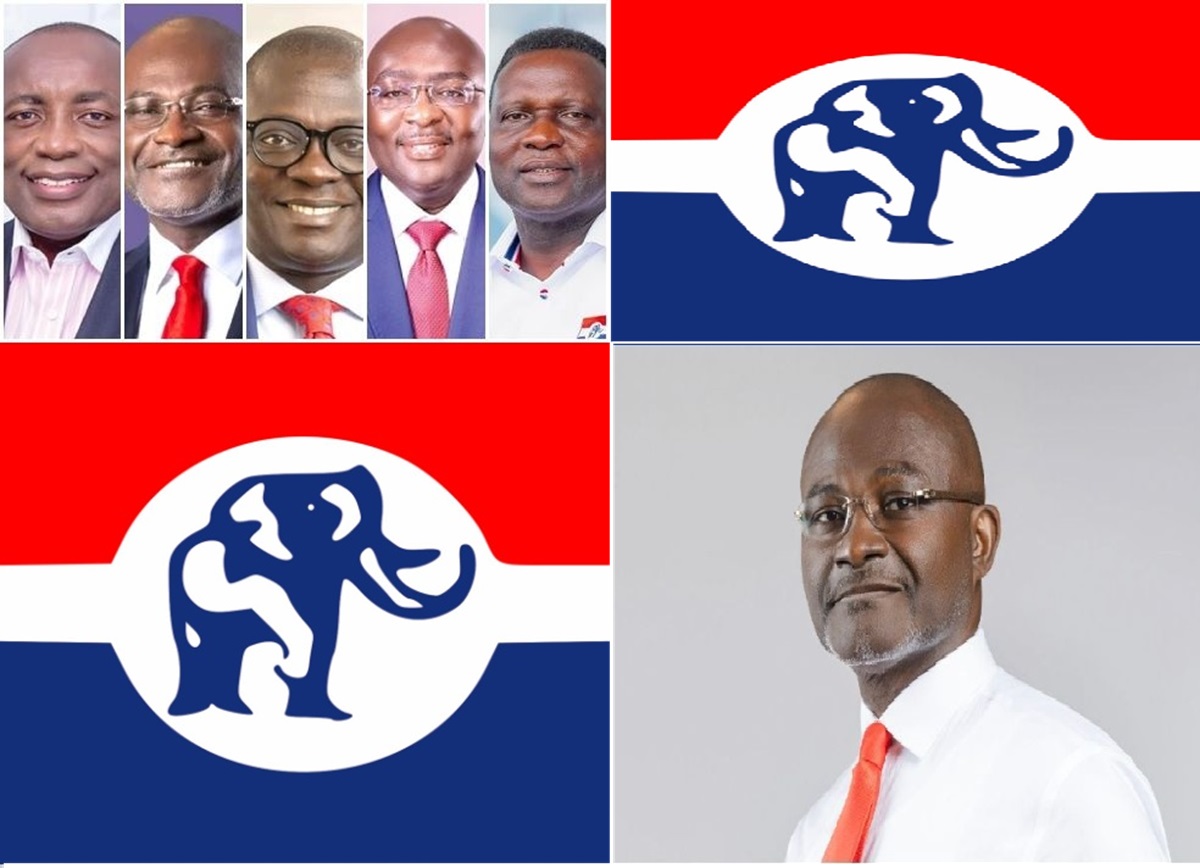
As the New Patriotic Party heads into its presidential primaries on 31 January 2026, the mood inside the party is far from settled. Delegates are not just choosing a candidate; they are choosing temperament, direction, and risk tolerance.
On the ballot paper, Kennedy Ohene Agyapong appears as Number 1. It is symbolic, even if officially accidental. Dr. Mahamudu Bawumia sits at Number 3, calm and familiar. Between them and around them are other aspirants, each quietly shaping the final outcome.

Why Kennedy Agyapong Appeals to a Section of Delegates
Kennedy’s strongest political asset is boldness without apology. He confronts issues many politicians avoid, even when it costs him allies. To some delegates, that signals authenticity rather than recklessness.
There is also his deep connection with the grassroots. Kennedy speaks in a language that resonates with party foot soldiers who feel used during elections and ignored afterward. His message is not refined, but it is understood.
Another advantage is his anti-establishment posture inside the NPP itself. Kennedy positions himself as an internal reformer, not a product of party comfort zones. That narrative appeals to delegates who believe the party needs internal cleansing before facing national elections.
His business-first mindset also earns him support. He frames leadership around efficiency, discipline, and results, not bureaucracy. Supporters believe Ghana needs a president who understands consequences beyond policy papers.
Finally, Kennedy’s combativeness is seen by loyalists as a necessary weapon. They argue the next election will be aggressive, and the NPP needs a candidate who can go head-to-head without retreating.
The Same Kennedy Traits That Scare Other Delegates
Fearlessness can quickly turn into lack of restraint. Kennedy’s history of explosive statements raises concerns about presidential temperament, especially under diplomatic or security pressure.
There is also the issue of unverified claims. Delegates worry that allegations made without proof could damage institutions and Ghana’s international standing if carried into the presidency.
Another concern is national electability. While Kennedy energises the base, swing voters and neutral Ghanaians may struggle with his confrontational style. Winning primaries is not the same as winning a national election.
His repeated clashes with media and institutions raise fears about respect for democratic norms. The presidency demands patience, not just dominance.
Finally, Kennedy’s polarising nature risks deepening internal party divisions. Unity after the primaries will be critical heading into 2028.
The Rest of the Race: Who Else Is Contesting?
Beyond Kennedy and Bawumia, the field includes Francis Addai-Nimoh, Joe Ghartey, and Akoto Afriyie. These candidates represent ideological consistency, party tradition, and institutional experience.
Their campaigns are quieter, policy-driven, and less dramatic. While they appeal to delegates who value calm leadership, they struggle to generate the emotional momentum seen around the two frontrunners.
Still, in a tight race, even smaller blocs of delegates can tilt outcomes.
Kennedy vs Bawumia: The Real Head-On Contest
Dr. Bawumia’s advantage lies in policy clarity and predictability. He represents continuity, digital governance, and economic structuring. Delegates choosing him are choosing stability and international reassurance.
Kennedy’s advantage lies in energy and disruption. Delegates choosing him are choosing confrontation with old habits and fearless leadership.
Bawumia reassures.
Kennedy agitates.
On 31 January 2026, delegates will decide which quality the NPP needs more.
This is not a popularity contest. It is a calculation.
And when the ballots are counted, the party will live with that choice — loudly or quietly.

Also Read: Prof. Frimpong-Boateng Faces Expulsion Over Blunt Criticism of Bawumia and NPP Party Leadership