

 By Zobia Zulfqar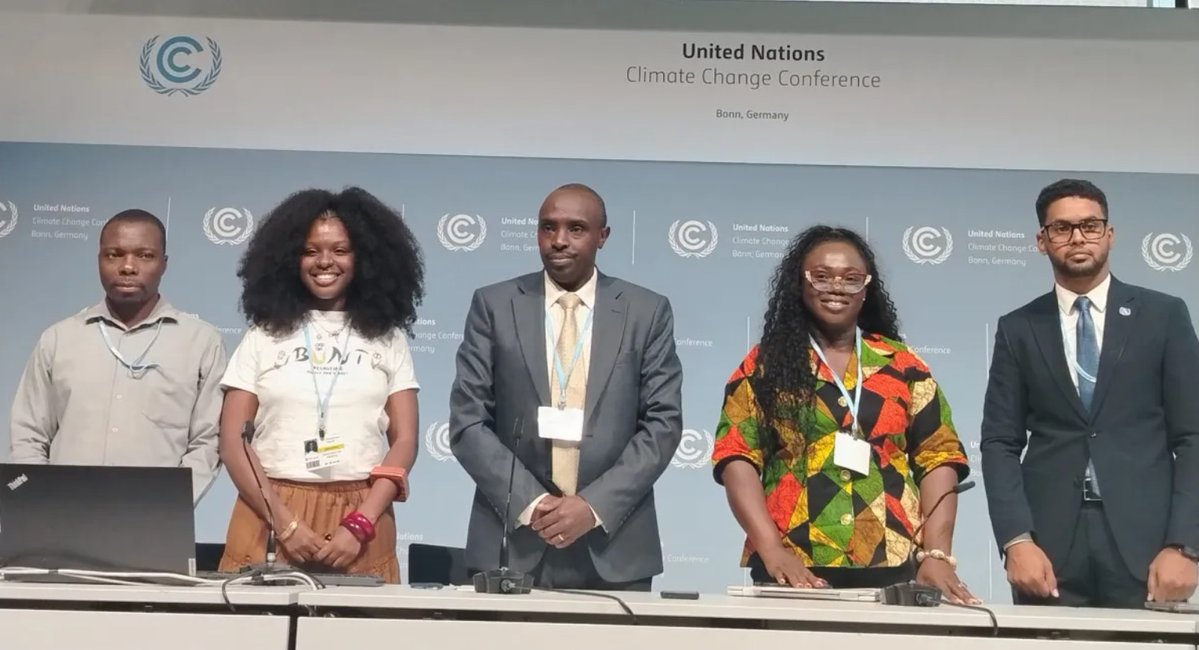
Before the closing of the 64th Subsidiary Bodies (SB64) climate negotiations in Bonn, Germany, African civil society organizations have intensified calls for greater access to climate finance and stronger action to address the continent’s growing climate challenges.
The groups, led by the Pan-African Climate Justice Alliance (PACJA) and supported by several Global South partners, expressed concern that key issues affecting vulnerable communities are not receiving the attention they deserve during the negotiations.
The June Climate Meetings, which began on June 8 and conclude on June 18, have brought together negotiators, policymakers, civil society organizations, and climate advocates from around the world to discuss progress on international climate commitments ahead of future United Nations climate conferences.
During the second week of the talks, African civil society representatives delivered a unified message calling for urgent action and increased support for communities already experiencing the effects of climate change.
“Enough is enough, Swing to Action Now,” the coalition declared in a statement shared with media representatives in Bonn.
The groups argued that critical agenda items, particularly climate finance, continue to be sidelined despite their importance to developing countries that face the most severe climate impacts.
Grace Ampoma of Abantu for Development in Ghana emphasized that the implementation of the Belem Gender Action Plan remains difficult without adequate financial resources.
According to her, delays in negotiations and funding commitments are prolonging hardship and insecurity for African women who are among the groups most affected by climate-related disasters.
Juliet Nangamba of Akina Mama wa Afrika in Zimbabwe highlighted the link between climate challenges and broader geopolitical issues affecting African communities.
She called for more accessible and flexible climate funding mechanisms that directly benefit those most vulnerable to climate change.
“We need accessible, timely, grant-based, flexible climate finance that directly reaches women, indigenous peoples and local communities,” she said.
Civil society representatives criticized the pace of discussions, describing the process as resembling endless consultations rather than meaningful negotiations capable of delivering concrete results.
Melissa Jiménez Gómez Tagle, representing the Children and Youth Constituency (YOUNGO), stressed the need for developed countries to significantly increase adaptation financing and provide effective support for addressing climate-related loss and damage.
The coalition also pointed to alarming climate forecasts as evidence that immediate action is needed.
According to information referenced by the group, forecasts indicate the potential development of a severe El Niño event that could bring devastating consequences for vulnerable communities across many regions.
Such conditions could result in severe flooding, prolonged droughts, crop failures, loss of livelihoods, and increased risks to human life, particularly among smallholder farmers, indigenous populations, women, and young people.
Gertrude Kenyangi, representing the farmers’ constituency in Uganda, raised concerns about the way agricultural and climate initiatives are often developed.
She argued that many climate-related agricultural programmes are driven primarily by countries in the Global North, while African voices are frequently underrepresented in decision-making processes despite the continent’s vulnerability to climate impacts.
Kenyangi called for greater attention to issues such as climate justice, human rights, and gender equality within climate negotiations and implementation frameworks.
She stressed that these issues should be treated as central components of climate policy rather than secondary considerations.
PACJA Executive Director Dr Mithika Mwenda described the current negotiations as a difficult period for the multilateral climate process.
Despite expressing disappointment with the pace of progress, he maintained optimism about the future of international climate cooperation.
Dr Mwenda said PACJA continues to believe that collective action and cooperation among governments, civil society organizations, and development partners can ultimately deliver meaningful climate solutions.
As the Bonn negotiations conclude, African civil society organizations are urging world leaders to move beyond discussions and demonstrate greater commitment to delivering the financial resources and policy actions needed to help vulnerable communities adapt to climate change and build resilience.
Source: Pan African Visions