
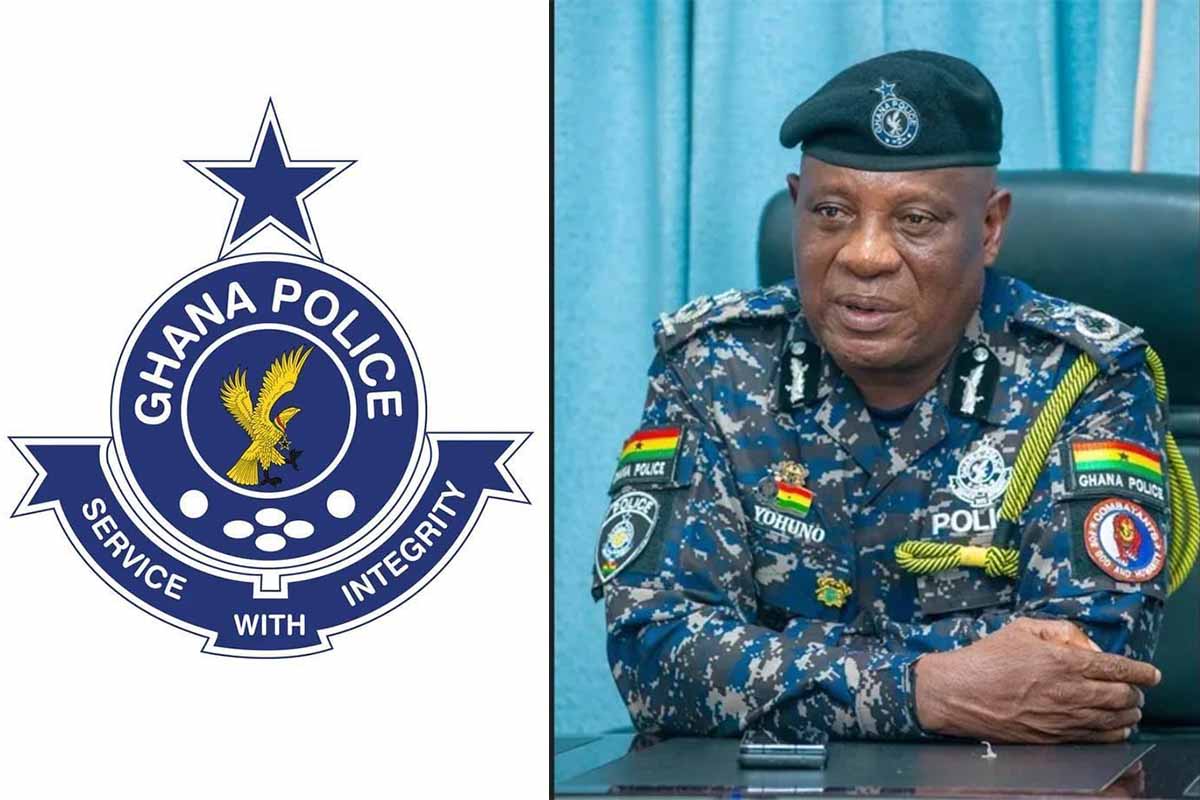
The Inspector-General of Police, Christian Tetteh Yohuno, has thrown down a bold challenge, and it is already shaking conversations across Ghana. Speaking with unusual bluntness, the IGP assured Ghanaians that bribing police officers is no longer business as usual.
“Today, I assure you that you cannot bribe the policeman anymore. If you attempt to bribe him, he will disgrace you — he wants a promotion,” the IGP stated.
It was not just a warning. It was a signal of intent.
According to IGP Yohuno, any person caught attempting to bribe a police officer risks arrest, exposure, and public embarrassment. The message is clear: corruption within the Ghana Police Service is now being treated as a career-ending offence, not a quiet side income.
The IGP’s comment suggests a shift in internal incentives. Officers who reject bribes and expose corrupt attempts are expected to be rewarded, while those who engage in misconduct face removal. He admitted, without sugarcoating, that there are bad apples within the service but insisted that steps are being taken to flush them out.
However, the reaction from the public has been mixed — hopeful, skeptical, and brutally honest.
One citizen, a retired trotro mate, offered a reality check that many Ghanaians quietly agree with. He mentioned several locations where police officers are routinely accused of collecting money from drivers, stretching from Appiadu Kokoben through Kotei, Ayeduase, Roman Hill, Kejetia, and from Tech to Kuntanase.
“I’m sorry sir, but yours are disgracing the noble profession,” he said bluntly.
For many road users, this statement from the IGP feels almost unreal. There is a long-standing perception that some police checkpoints exist not for safety checks, but for daily collections. Drivers budget for it. Passengers joke about it. Everyone pretends it is normal.
That is why some Ghanaians say the IGP’s statement sounds “very funny,” not because corruption is amusing, but because it feels disconnected from lived experience. The trust gap between citizens and law enforcement has been widened over years of unchecked roadside bribery.
Yet, despite the skepticism, there is also cautious hope.
Some believe that real change has to start with strong words before it can turn into strong action. Others say that if officers truly begin exposing bribe attempts and rejecting illegal payments, public behavior will change fast. Corruption survives mainly because it is expected. Once fear replaces expectation, the system shifts.
This moment is therefore critical for the Ghana Police Service. Words alone will not be enough. Ghanaians will be watching closely to see whether drivers are actually arrested for offering bribes, whether officers are truly promoted for integrity, and whether notorious checkpoints finally clean up their act.
For now, the IGP has placed his credibility on the line.
At Ghana News Page, we believe this is a necessary fight. Ghana deserves a police service respected for professionalism, not feared for extortion. We wish the Ghana Police Service well in this new direction and sincerely hope that the IGP’s promise becomes reality — not someday, but soon.
Because when policing regains integrity, the whole country benefits.
Also Read: Greater Accra Police Arrest Suspected Land Guards, Recover AK-47 in Dramatic Midday Operation