

 By Collins Sarkodieh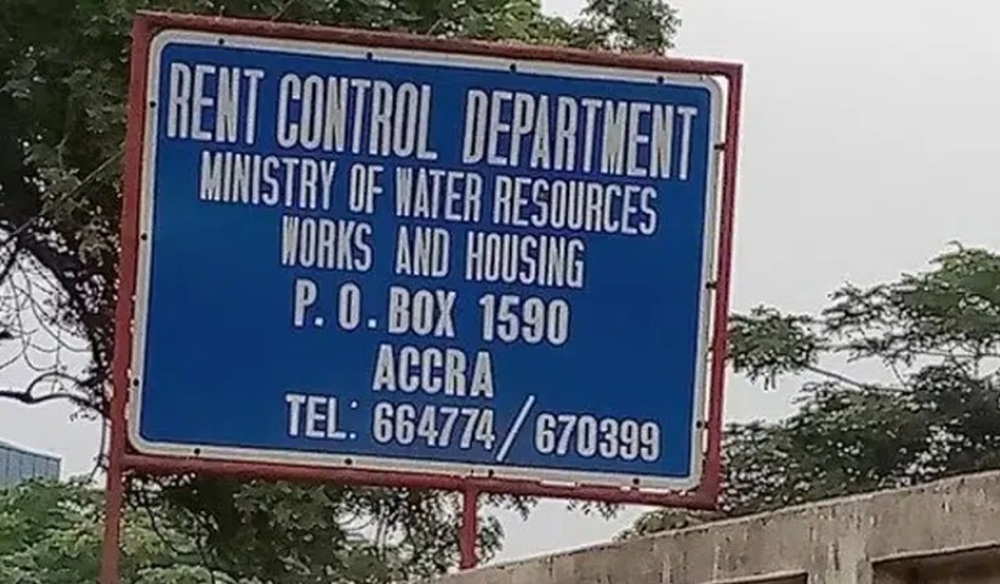
Finding an affordable apartment in urban Ghana has turned into a brutal financial hurdle for the average worker due to a highly exploitative, unregulated network of middlemen.
While public anger usually targets landlords who demand massive upfront payments, an informal cartel of rent agents and undocumented brokers completely dominates the housing market. This parallel economy thrives on desperation, information monopoly, and a total lack of state regulatory oversight.
For decades, the public housing debate in major cities like Accra, Kumasi, Tema, and Takoradi centered strictly on the illegal practice of demanding one to two years of rent advance. Recently, government institutions like the Rent Control Department have stepped up their public rhetoric, urging property owners to reduce these excessive multi-year demands. However, these commendable state efforts only scratch the surface of a deeply fractured system. The real, unspoken crisis lies in the pocket-draining layers of fees imposed by middlemen before a tenant even signs a tenancy contract.
Renting a simple room in modern Ghana has become an exhausting process that drains years of hard-earned savings from young professionals. The modern house-hunting process is intentionally structured to extract cash at every single stage of the search. Tenants are forced to navigate an artificial barrier created by brokers who shield vacant properties from the public eye simply to secure personal profit.
How Does the Middleman Fee Structure Drain Your Savings?
The standard rental agent fee structure drains consumer pockets by forcing home seekers to pay non-refundable registration fees, viewing charges, and a mandatory ten percent commission on the total rent value. This multi-layered charging system means that a prospective tenant must incur heavy financial costs simply to look at an apartment, with absolutely no guarantee of securing the tenancy.
To understand the devastating impact of this informal pricing system, look at the actual mathematics of renting a modest chamber and hall apartment in a mid-tier urban neighborhood. If the property owner sets the monthly rate at GHS 1,700, a standard twelve-month rent advance immediately requires an upfront payment of GHS 20,400. In a transparent market, that would be the end of the transaction, but the informal cartel quickly adds its own steep demands.
The broker immediately tacks on a mandatory ten percent commission, forcing the worker to hand over an additional GHS 2,040. When you add non-refundable registration fees, daily property viewing charges, and the high transportation costs of moving from one location to another, the total cost easily escalates past GHS 23,000. For an ordinary urban worker earning a modest salary, this single transaction represents years of continuous sacrifice, skipping meals, and aggressive personal saving.
Why Do Unregulated Brokers Hold a Monopoly Over Vacant Apartments?
Unregulated brokers hold a total monopoly over vacant apartments because Ghana currently lacks a centralized, transparent national housing registry. Because there is no open platform where seekers can view available properties, tenants are forced to rely on informal neighborhood agents to discover which rooms are vacant.
This information monopoly has created an unhealthy environment where extreme consumer exploitation continues completely unchecked by state authorities. The vast majority of these housing agents operate entirely outside the formal legal framework of the country. They operate without professional licenses, do not answer to an industry code of conduct, and face zero accountability when transactions turn sour.
This complete lack of consumer protection opens the door to widespread marketplace fraud across the real estate sector. Unscrupulous operators routinely collect hefty advance deposits from multiple desperate house hunters for the exact same room before vanishing into thin air. Other rogue agents spend weeks advertising completely non-existent luxury apartments solely to collect a steady stream of daily viewing fees from unsuspecting workers.
Can a Centralized National Rental Platform Break the Cartel?
A centralized national rental platform can break the middleman monopoly by allowing property owners to list verified vacant apartments directly to the general public. By cutting out the middleman, a state-backed digital portal would provide immediate transparency, eliminate fraudulent listings, and lower the financial entry barriers for tenants.
Building a national rental website and mobile application under the supervision of the Ministry of Works and Housing is a highly practical solution to this urban crisis. A secure digital system would allow tenants to browse available housing stock across Accra or Kumasi, view verified interior photos, and communicate directly with landlords. This structural shift would instantly strip power away from the informal cartel by making housing information free and accessible to every citizen.
Technology has already successfully revolutionized other highly chaotic sectors within the Ghanaian economy over the past decade. For instance, the widespread introduction of ride-hailing applications completely transformed urban transportation by introducing upfront, predictable pricing and removing stressful fare arguments. Similarly, mobile money interoperability revolutionized the financial sector, expanding economic inclusion to millions of previously unbanked citizens. The housing sector is ripe for the exact same digital transformation.
What Structural Policies Can the Rent Control Department Implement?
The Rent Control Department must implement a mandatory national licensing registry for all active housing agents while establishing a strict legal cap on allowable finder commissions. Furthermore, the state must aggressively enforce existing rent laws, ban arbitrary viewing fees, and set up simple digital complaint channels to protect tenants from extortion.
If the government is truly serious about reducing the high cost of living for urban workers, housing policy must look far beyond the behavior of landlords. The state must boldly confront the entire broken real estate ecosystem through aggressive legislative enforcement. Any individual caught operating as a commercial housing agent without a valid state license should face heavy statutory fines and prosecution.
Three Factual Insights on Ghana Housing and Digital Economy
- The Rent Act of 1963, Act 220, explicitly states that landlords are legally prohibited from demanding a rent advance exceeding a duration of six months, though enforcement remains incredibly low across urban centers.
- Statistical tracking data from the Ghana Statistical Service shows that the country faces an urban housing deficit exceeding 1.8 million units, creating an intense demand shock that informal cartels exploit daily.
- The National Information Technology Agency serves as the main statutory body capable of securing and certifying the cryptographic infrastructure required to build a trusted, state-backed national rental platform.
How Can Ghana Restore Dignity and Stability to Urban Housing?
Ghana can restore absolute dignity and social stability to urban housing by actively transitioning from an informal, broker-dominated market into a strictly regulated, tech-driven digital real estate economy. Housing is not a luxury commodity designed for unchecked exploitation; it is a fundamental human necessity tied directly to worker productivity and national security.
Allowing an informal group of unregulated middlemen to dictate the terms of human shelter is a logical policy error that compromises the economic wellbeing of the working class. While expanding the physical supply of affordable concrete homes requires long-term capital, cleaning up the rental market requires immediate political will and digital innovation.
By building a transparent national rental portal and enforcing strict licensing rules, the government can effectively dismantle the hidden cartel once and for all. This dual approach of digital transparency and legal enforcement ensures that the earnings of young professionals go directly toward national development rather than lining the pockets of exploitative middlemen. Urban workers deserve a fair, transparent, and dignified path to securing a place to live.
Also Read: Rent Control Department to Launch Yellow Yellow Task Force to Enforce Ghana Rent Laws
Source: ghananewspage.com