

 By Collins Sarkodieh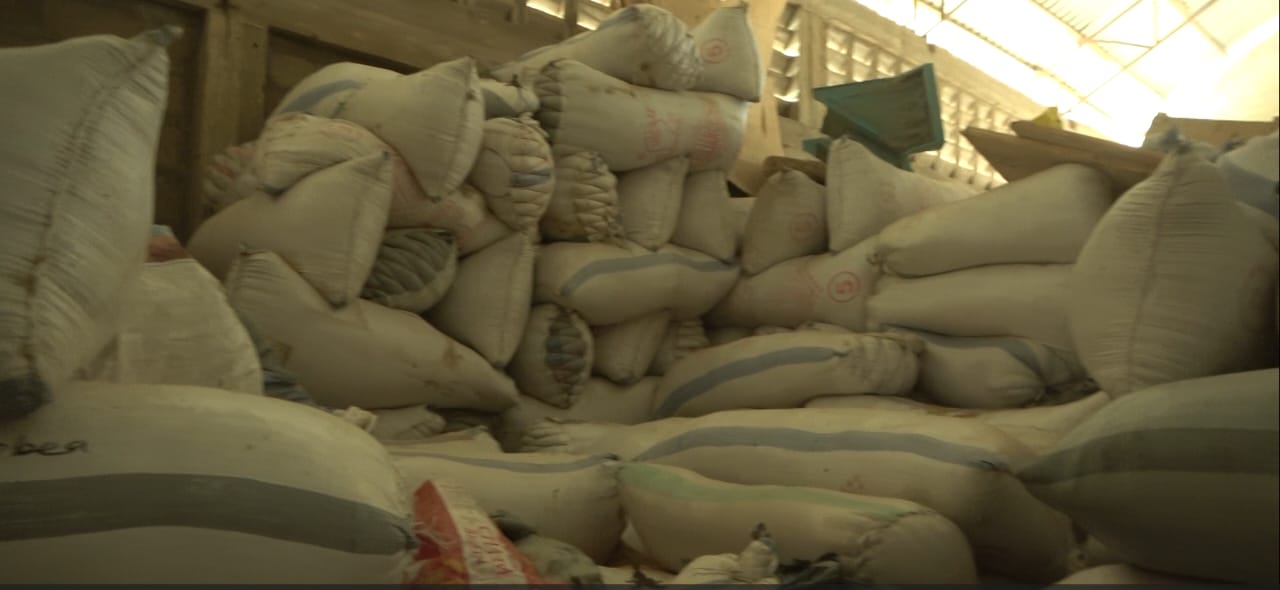
The agricultural foundation of West Africa is facing a severe market crisis that threatens local food security. The Peasant Farmers Association of Ghana has urgently called on the government to immediately implement the proposed rice import quota policy.
Civil leadership groups warn that thousands of rural families are currently drowning in unsold rice stocks and could completely abandon production if immediate state action is not taken.
While domestic agricultural groups initially welcomed the state’s decision to introduce a rice import quota system, prolonged delays in execution are actively undermining the nation’s push for food self-sufficiency. An official statement signed by the National President of the association, Douglas Annor, reveals an alarming statistic. More than 90 percent of rice farmers across the major production regions are currently holding massive quantities of unsold grain.
The structural marketing crisis persists despite various high-profile policy interventions previously announced by the government. Local growers have successfully produced substantial quantities of high-quality rice, yet they continue to face brutal competition from foreign brands dominating the domestic market. The association describes the situation as completely unsustainable for the local economy.
Industry experts point out that the massive influx of cheap imported rice and rampant smuggling through porous land borders are destroying the competitiveness of homegrown alternatives. This unfair market dynamic directly discourages vital private sector investment in regional farming. Furthermore, the association expressed deep concern over the apparent inability of the National Food Buffer Stock Company to effectively purchase locally produced rice.
The state-owned buffer stock enterprise has failed to act as a reliable buyer of last resort, directly defying a presidential directive aimed at supporting rural communities through strategic local procurement. To fix this bottleneck, the farming association is demanding an immediate six-month moratorium on all external rice imports to allow existing local stocks to be cleared out.
The organization is also urging National Security forces to aggressively intensify border patrols to halt rice smuggling, which they openly classify as economic sabotage. Additionally, the group is advocating for strict new legislation that mandates all public entities to exclusively procure locally produced food. This policy would require state schools, public hospitals, prisons, and security agencies to source their staples directly from Ghanaian fields.
The current marketing challenges are unfortunately not isolated to the rice sector alone. Producers managing cassava, maize, yam, soybean, and cowpea crops are also experiencing massive difficulties in finding profitable buyers for their harvests. Consequently, the association is pressing the government to develop a comprehensive Agricultural Market Stabilisation Policy to protect rural livelihoods and secure the long-term food supply of the nation.
Also Read: Why NAFCO Needs GH¢770 Million to Save Ghana’s Surplus Rice Harvest
Source: GNA