

 By Ishmeal
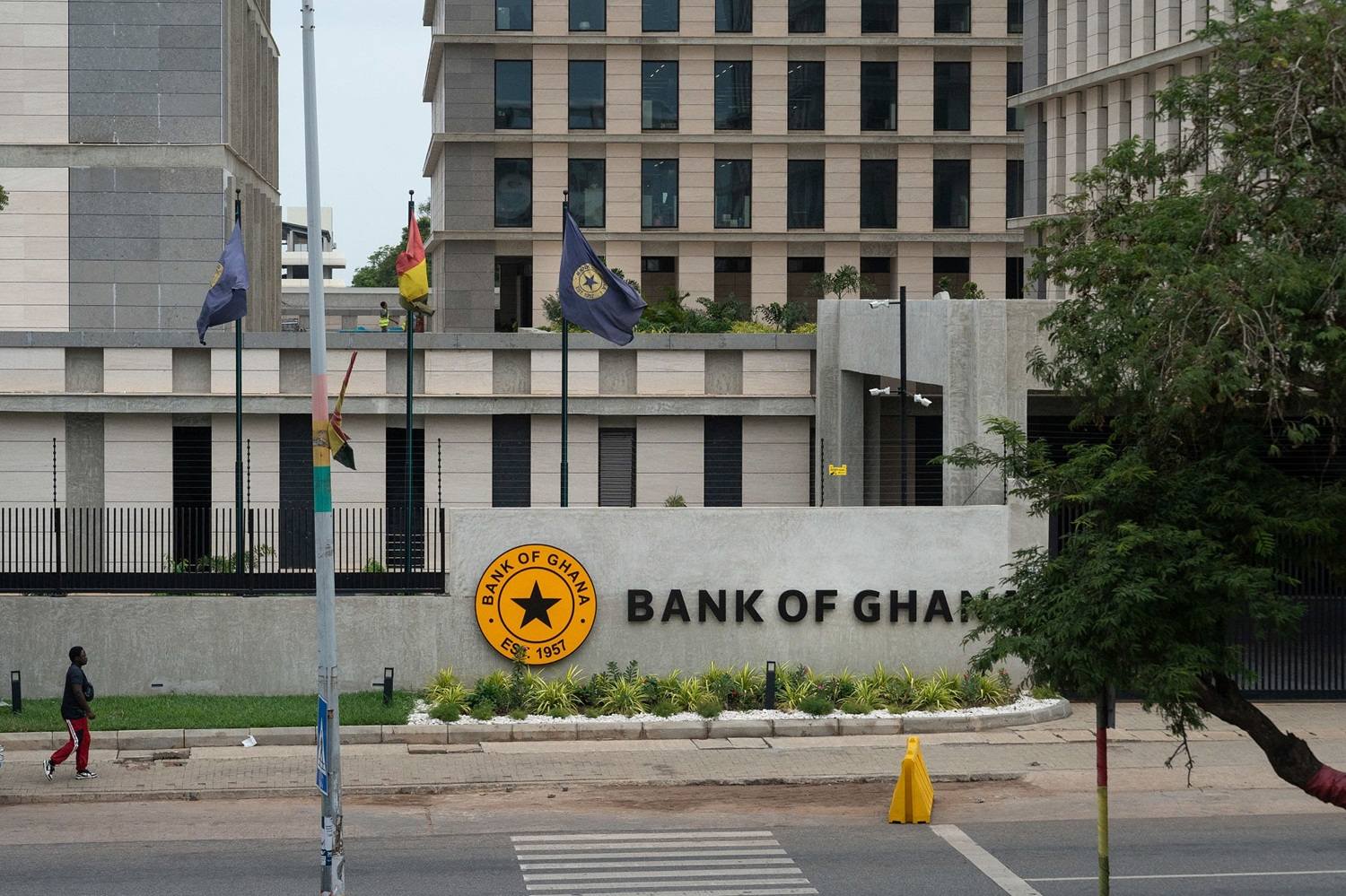
The Association of Ghana Industries (AGI) has raised concerns about the difficulties businesses continue to face in accessing bank loans, despite declining interest rates and improved liquidity in Ghana’s banking sector.
Eric Defor, Chairman of the AGI Economic Affairs Committee, says some banks are demanding collateral worth nearly 120 per cent of the amount businesses intend to borrow, making it difficult for companies to secure financing for their operations and expansion.
He made the remarks during an interview on JoyNews’ PM Express on Wednesday, November 11, 2026, as businesses look towards the 2027 Budget for measures to improve access to finance.
According to Defor, although banks now have more funds available for lending, the conditions attached to accessing those funds remain a major challenge.
High Collateral Requirements Affect Businesses
Defor said the high collateral demands continue to discourage businesses seeking financial support, particularly companies that need loans to increase production, purchase equipment and expand their operations.
He explained that some financial institutions require borrowers to provide security valued at almost 120 per cent of the loan amount.
He acknowledged that banks have reasons to remain cautious following Ghana’s recent financial sector challenges but argued that lending conditions should not prevent businesses from benefiting from improvements in the economy.
For many businesses, the problem is therefore not simply the cost of borrowing but also meeting the requirements needed to qualify for credit.
Lower Interest Rates Have Not Solved Access to Credit
The AGI official acknowledged improvements in the banking sector, including increased liquidity following government repayments linked to the Domestic Debt Exchange Programme (DDEP).
He also commended the Bank of Ghana for efforts to stabilise key economic indicators.
However, he questioned whether the funds available within the banking system were reaching businesses that need financing to support production and investment.
Defor also called for greater transparency regarding the sectors receiving bank credit, expressing concern that some financial institutions could be directing available funds towards government securities rather than lending to businesses.
He said reliable data would be needed to establish how banks were allocating their funds.
What the Bank of Ghana Says About Collateral
The collateral debate also has a regulatory dimension.
In a May 2026 response to media questions, the Bank of Ghana explained that the 120 per cent collateral coverage requirement under Section 62(9) of the Banks and Specialised Deposit-Taking Institutions Act, 2016 (Act 930), applies to the calculation of secured financial exposure for single obligor limit purposes.
The central bank said the requirement is intended to provide coverage for outstanding principal and interest, while accounting for the cost of recovering collateral and possible declines in asset values.
This regulatory provision should be distinguished from a claim that every bank loan must automatically carry a 120 per cent collateral requirement.
Businesses Look to 2027 Budget for Relief
The AGI’s concerns come as the government prepares to present the 2027 Budget, with businesses seeking policies that will improve access to affordable financing.
The Bank of Ghana has also acknowledged that credit risks, limited collateral and weaknesses in financial records continue to restrict lending to small and medium-sized enterprises.
The central bank has proposed a Credit Risk Management Directive that would require lenders to place greater emphasis on borrowers’ repayment capacity and cash flows rather than relying on collateral alone.
For Ghana’s business community, the expectation is that lower interest rates will translate into more accessible financing.
The challenge remains ensuring that businesses, particularly small and medium-sized enterprises, can obtain the credit they need to expand, create jobs and contribute to economic growth.
Also Read:Npp Primaries Nicol Brace Declare As Abu Jinapor Stands Alone