

 By Ishmeal
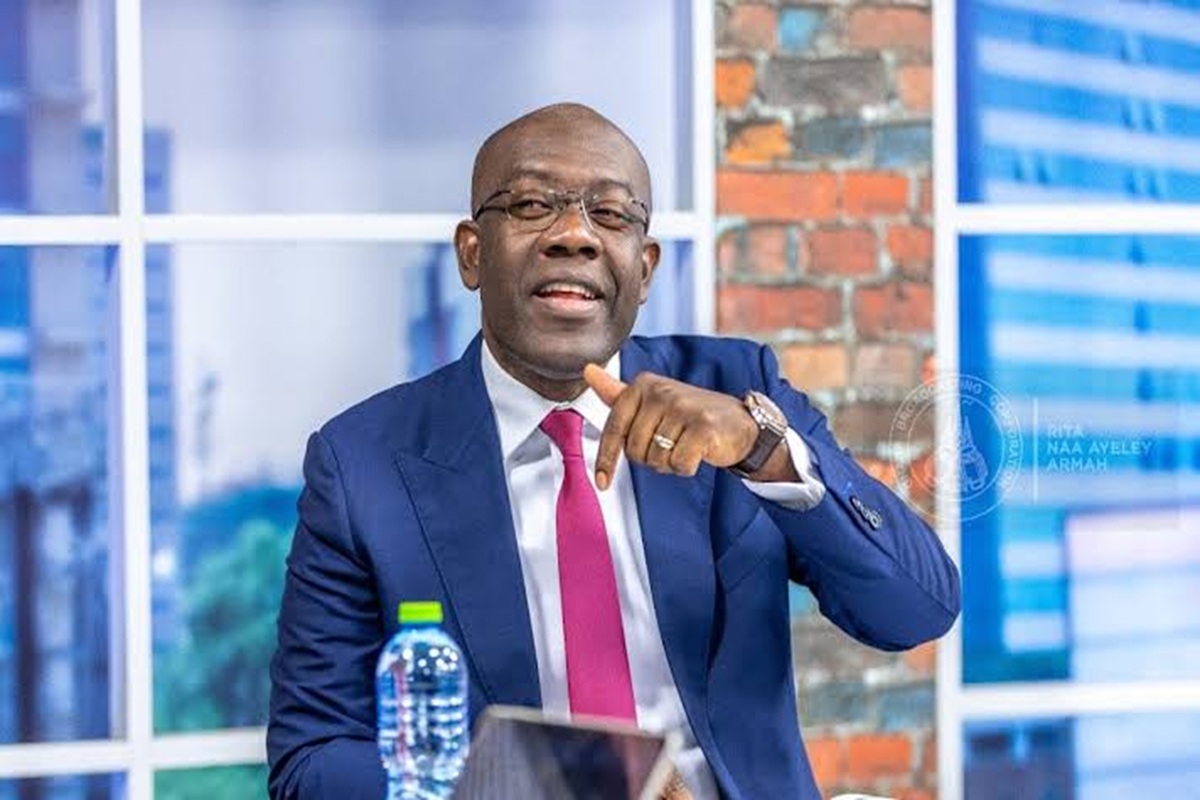
As Finance Minister Dr Cassiel Ato Forson prepares to present the 2027 Budget, former Information Minister and Ranking Member on Parliament’s Economy and Development Committee, Kojo Oppong Nkrumah, has questioned whether Ghana’s improving headline inflation figures reflect the actual cost of living.
At a news conference on November 11, 2026, Mr Oppong Nkrumah cited increases in electricity tariffs, water charges, the national minimum wage and transport costs. He also raised concerns about the Bank of Ghana’s Open Market Operations (OMO), including the cost of managing liquidity in the financial system.
A review of records from the Public Utilities Regulatory Commission (PURC), Ghana Statistical Service (GSS), Fair Wages and Salaries Commission and Bank of Ghana shows that several of his figures are supported by official data, although some require clarification.
1. Electricity tariffs: 28.7% increase
Verdict: Supported by the tariff adjustments reviewed.
Mr Oppong Nkrumah said electricity tariffs had increased cumulatively by 28.7 per cent since January 2025.
PURC’s published tariff decisions show increases of 14.75 per cent in May 2025, 2.45 per cent in July 2025 and 1.14 per cent in October 2025.
For 2026, the Commission approved a 9.86 per cent increase from January, followed by a 4.81 per cent reduction in April and a 3.49 per cent increase in July. Tariffs remained unchanged in the fourth quarter.
When these adjustments are compounded, they produce an increase of approximately 28.7 per cent from the tariff level before the May 2025 adjustment.
The figure is therefore supported by the published tariff changes. However, the calculation should be understood as a cumulative adjustment, not the sum of the individual percentages.
2. Water tariffs: 13.3% increase in 2026
Verdict: Supported by the published tariff adjustments.
Mr Oppong Nkrumah put the increase in water tariffs at 13.3 per cent in 2026.
PURC approved a 15.92 per cent increase effective January 1, 2026. This was followed by a 3.06 per cent reduction in April and a 0.85 per cent increase in July.
There was no further adjustment for the fourth quarter.
When the three adjustments are compounded, the result is approximately 13.3 per cent.
This supports his figure, although the actual amount paid by individual consumers depends on their consumption category and applicable tariff.
3. National minimum wage: 19.9% increase
Verdict: Correct with an important baseline clarification.
Mr Oppong Nkrumah said the national minimum wage had increased by 19.9 per cent over the period he was comparing with utility and transport costs.
The 2025 national daily minimum wage was GH¢19.97, effective March 1, 2025. Before that adjustment, the rate was GH¢18.15.
For 2026, the National Tripartite Committee approved a 9 per cent increase, bringing the daily minimum wage to GH¢21.77 from January 1.
Comparing GH¢18.15 at the beginning of January 2025 with GH¢21.77 in 2026 gives an increase of approximately 19.9 per cent.
However, comparing the 2025 rate of GH¢19.97 with the 2026 rate of GH¢21.77 gives an increase of 9 per cent.
The 19.9 per cent figure is therefore mathematically correct when the starting point is the pre-March 2025 wage, but it should not be presented as the increase from the 2025 minimum wage to the 2026 rate.
4. Transport costs: 14.1% increase
Verdict: Supported as GSS transport inflation, but not necessarily as a direct measure of every transport fare.
The October 2026 Consumer Price Index report from the Ghana Statistical Service recorded transport inflation of 14.1 per cent.
The GSS also reported that transport prices increased by 8 per cent in October alone, making transport the division with the highest inflation rate among the 13 spending divisions.
This supports the 14.1 per cent figure cited by Mr Oppong Nkrumah.
However, it is important to distinguish between transport inflation measured through the national consumer price basket and a uniform increase in fares across all routes and transport services.
The figure describes price movements within the GSS transport category. It does not mean every passenger paid exactly 14.1 per cent more for every journey.
5. Bank of Ghana’s Open Market Operations
Verdict: The figures are supported by Bank of Ghana records, but the explanation needs context.
Mr Oppong Nkrumah cited GH¢93.56 billion in OMO liabilities and GH¢16.73 billion in related costs for 2025.
The Bank of Ghana’s May 2026 publication of responses to media questions confirms both figures.
The Bank explained that the liquidity overhang was largely linked to monetary financing operations during the 2022–2023 crisis period.
In 2025, it used Open Market Operations to absorb excess liquidity from the banking system. The Bank said these measures contributed to the rise in OMO liabilities and related costs and supported the disinflation process.
The GH¢93.56 billion figure represents the stock of OMO liabilities, while GH¢16.73 billion represents the associated costs. They are not two separate amounts paid out to banks.
The Bank also said it had reduced its reliance on longer-term instruments in 2026 and was mainly using 14-day BoG bills. It indicated that the lower policy rate had reduced the cost of these operations.
The Bank’s explanation provides important context to the criticism that the liquidity management programme was expensive.
What the figures tell us ahead of the Budget
The records show that falling headline inflation does not mean every household expense has fallen.
GSS reported headline inflation of 5.5 per cent in October 2026, up from 5.2 per cent in September. Transport inflation stood at 14.1 per cent, while services inflation reached 11.5 per cent.
These figures illustrate why households may continue to experience pressure from particular goods and services even when the overall inflation rate is relatively low.
The figures cited by Mr Oppong Nkrumah are largely supported by official records, but the differences in measurement periods, tariff categories and starting points matter.
The 2027 Budget presentation will provide an opportunity for the government to respond to the concerns and explain how its economic policies are expected to affect household purchasing power, business costs, employment and access to credit.
Also Read:Uds Student Mohammed Sharifa Dies In Tamale