

 By Emmanuel Bamfo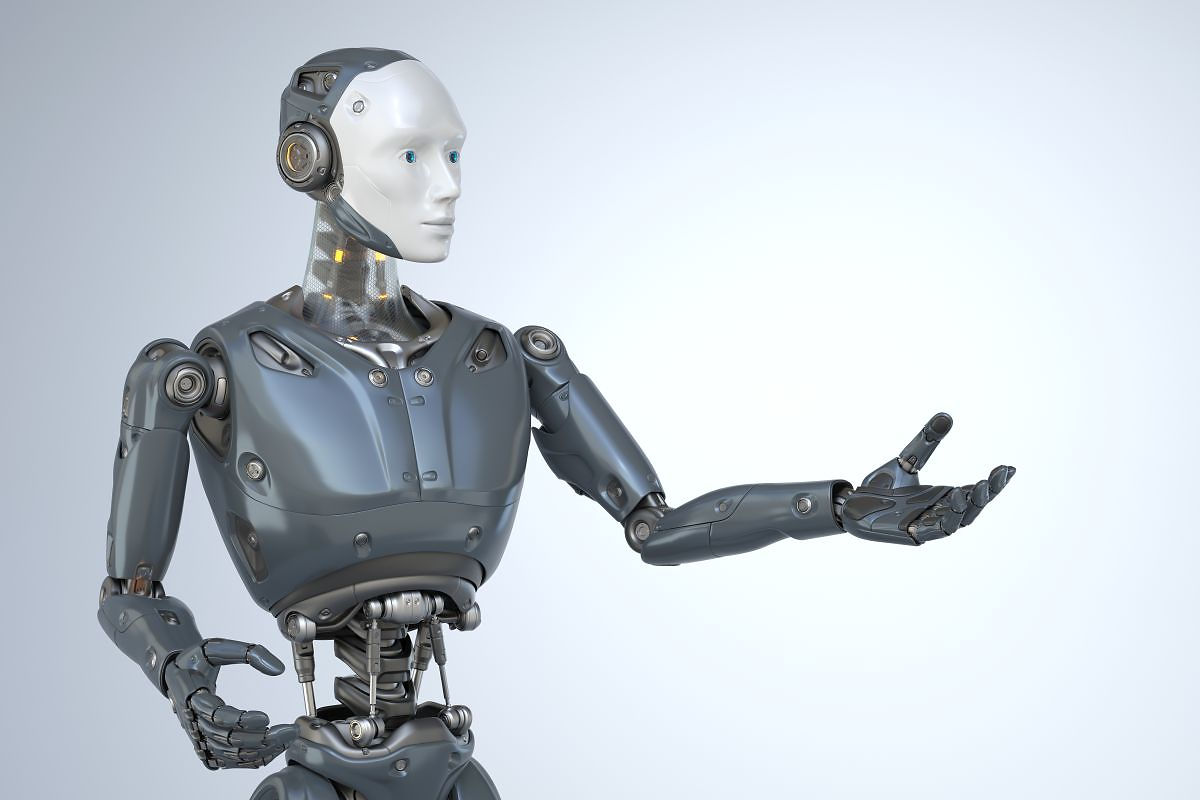
Artificial intelligence and robotics are no longer futuristic ideas. They are already changing how people work, receive healthcare, grow food, manufacture products, and even clean their homes.
The latest AI robotics innovation combines powerful artificial intelligence with advanced robotic systems to help machines learn, adapt, and perform tasks with greater accuracy than traditional robots. This shift is creating new opportunities for businesses while improving productivity across many industries.
Whether you are a student, entrepreneur, technology enthusiast, or simply curious about the future, understanding AI robotics innovation can help you stay informed about one of the fastest growing technologies in the world.
Why Is AI Robotics Innovation Becoming So Important?
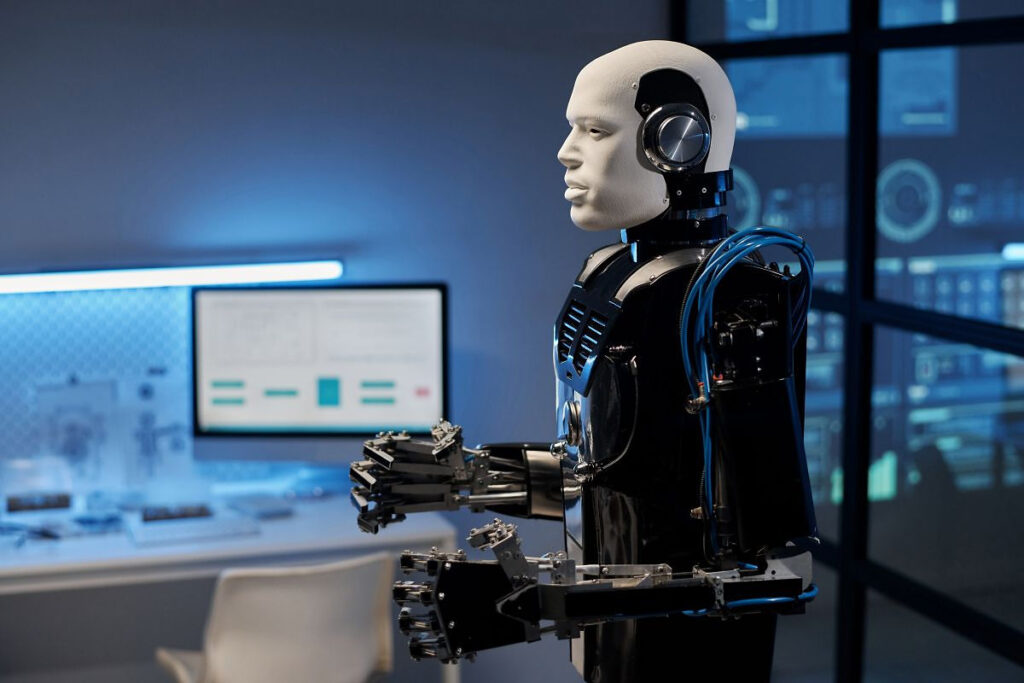
AI robotics innovation is becoming important because businesses need faster, safer, and smarter ways to complete work.
Unlike traditional robots that simply follow fixed instructions, AI powered robots can analyse data, recognise patterns, make decisions, and improve their performance through machine learning.
This ability makes modern robots more flexible and useful in environments where conditions constantly change.
For example, a warehouse robot can identify different products, avoid obstacles, and find the quickest route to deliver goods without waiting for human instructions every single time.
That level of intelligence was almost impossible just a few years ago.
What Makes AI Robots Different From Traditional Robots?
The biggest difference is intelligence.
Traditional robots perform the same programmed task repeatedly. If something unexpected happens, they often stop working until someone reprograms them.
AI robots can understand new situations using computer vision, machine learning, natural language processing, and sensor technology.
This allows them to recognise objects, understand voice commands, detect errors, and even improve their performance over time.
That is why industries around the world are investing heavily in AI robotics innovation instead of relying only on older automation systems.
How Is AI Robotics Innovation Transforming Healthcare?
Healthcare is one of the biggest winners.
AI robots now assist doctors during complex surgeries, help hospitals transport medicines, and support patient care with greater precision.
Surgical robots allow doctors to perform delicate procedures using tiny movements, reducing tissue damage and helping many patients recover faster.
Hospitals also use robotic systems to disinfect rooms using ultraviolet light, reducing the spread of infections.
According to the World Health Organization, digital health technologies continue to play an important role in improving healthcare delivery when implemented responsibly.
Medical researchers are also developing robotic assistants that can help elderly patients remain independent for longer.
This means better healthcare without replacing human doctors or nurses.
Can AI Robots Improve Manufacturing?
Absolutely.
Manufacturing has become one of the largest users of AI robotics innovation.
Factories use intelligent robots to assemble products, inspect quality, transport materials, and monitor equipment before problems occur.
Instead of simply replacing workers, many companies use robots to handle repetitive or dangerous tasks while employees focus on supervision, maintenance, creativity, and quality control.
According to the International Federation of Robotics, industrial robot installations continue to grow worldwide as manufacturers invest in automation to improve efficiency.
Factories that combine skilled workers with intelligent robots often achieve better productivity than those relying on either humans or machines alone.
How Are AI Robots Changing Agriculture?
Farming is becoming smarter.
AI robots help farmers monitor crops, identify plant diseases, detect weeds, and optimise irrigation.
Instead of spraying chemicals across an entire field, intelligent robots can target only the affected plants.
This approach reduces waste while protecting crops and the environment.
Some agricultural robots also collect fruit automatically, helping farmers deal with labour shortages during harvesting seasons.
As climate change creates new farming challenges, AI robotics innovation may become an essential tool for improving food production.
What Role Do AI Robots Play in Warehouses and Logistics?
Online shopping has increased the demand for faster deliveries.
Large warehouses now use AI powered robots to move products, organise inventory, and prepare customer orders.
These robots work alongside employees instead of operating completely independently.
Computer vision helps them identify packages while artificial intelligence calculates the most efficient movement paths.
This reduces delivery times and improves customer satisfaction.ANS
Many global logistics companies continue investing in warehouse robotics because consumers expect quicker shipping than ever before.
Are AI Robots Entering Our Homes?
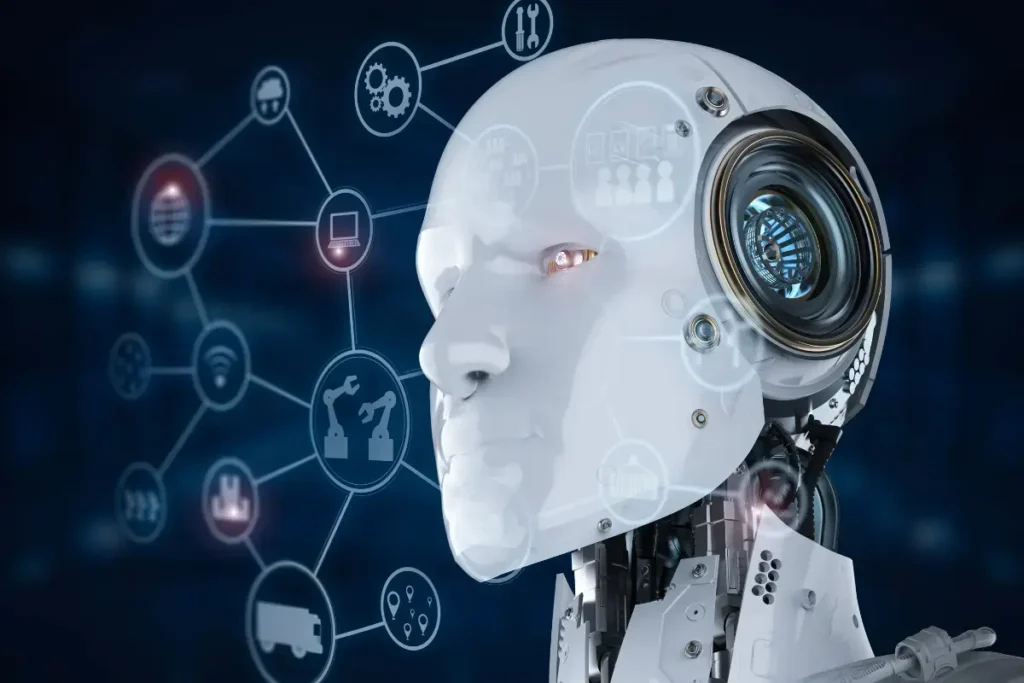
Yes, and many people already use them without thinking much about it.
Robot vacuum cleaners are among the most common household AI robots.
They map rooms, avoid furniture, and clean floors with minimal supervision.
Newer home robots also assist with security monitoring, lawn maintenance, and smart home management.
Voice assistants connected to smart devices continue improving through artificial intelligence, making everyday life more convenient.
Although household robots remain less advanced than industrial systems, their capabilities continue expanding every year.
Can AI Robots Support Education?
Education is beginning to benefit as well.
Some schools and universities use educational robots to teach programming, engineering, mathematics, and problem solving.
Interactive robots make lessons more engaging by responding to students and providing personalised learning experiences.
Researchers continue studying how educational robots can support teachers rather than replace them.
Technology works best when it helps educators spend more time focusing on students instead of repetitive administrative tasks.
Will AI Robots Replace Human Jobs?
This question worries many people.
The simple answer is that AI robotics innovation will change jobs more than it completely replaces them.
History shows that technological advances often eliminate certain tasks while creating entirely new careers.
Workers increasingly need digital skills, critical thinking, creativity, and problem solving abilities that machines still struggle to match.
According to the World Economic Forum, technological transformation is expected to create new employment opportunities while changing existing roles across many industries.
Learning new skills remains one of the best ways to stay competitive.
What Challenges Come With AI Robotics Innovation?
Every technology brings opportunities and challenges.
One concern involves data privacy because intelligent robots often collect information through cameras and sensors.
Cybersecurity also becomes important since connected robots must remain protected from hacking.
Another challenge involves ethical decision making.
Developers must ensure AI systems operate fairly, safely, and transparently.
Governments, researchers, and technology companies continue working together to create responsible AI policies that balance innovation with public safety.
Which Companies Are Leading AI Robotics Innovation?
Several global companies continue pushing robotics technology forward.
NVIDIA develops powerful AI computing platforms used in robotics research.
Boston Dynamics builds advanced mobile robots capable of walking, climbing, and performing complex movements.
ABB develops industrial robots for manufacturing and logistics.
Fanuc remains one of the world’s largest industrial robotics manufacturers.
Tesla continues developing humanoid robotics technology while expanding artificial intelligence research.
Google DeepMind contributes important AI research that supports robotics development across multiple industries.
Each company focuses on different aspects of AI robotics innovation, showing how broad this technology has become.
What Real Facts Should Everyone Know About AI Robotics Innovation?
Artificial intelligence is advancing rapidly, but facts matter more than hype.
The International Federation of Robotics reports that industrial robot installations continue growing worldwide as automation expands across industries.
The World Economic Forum expects AI and automation to reshape millions of jobs while also creating new opportunities.
The World Health Organization supports responsible digital health technologies that improve healthcare delivery.
Machine learning allows robots to improve performance using data instead of relying only on fixed programming.
Computer vision enables robots to recognise people, objects, and environments with increasing accuracy.
Modern warehouses rely heavily on AI powered robots to improve order fulfilment efficiency.
Agricultural robots help reduce pesticide use through precision farming techniques.
Hospitals use robotic systems for surgery, logistics, and infection control.
Responsible AI development requires transparency, security, and human oversight.
These facts demonstrate that AI robotics innovation is already delivering measurable value across many sectors.
How Can Young People Prepare for the AI Robotics Revolution?
The future belongs to lifelong learners.
Students do not need to become robotics engineers to benefit from artificial intelligence.
Learning programming, mathematics, engineering, data analysis, communication, and critical thinking creates strong career opportunities.
Many universities now offer courses covering artificial intelligence, robotics, automation, and machine learning.
Free online learning platforms also make these subjects more accessible than ever before.
The earlier people begin learning, the better prepared they become for tomorrow’s workplace.
What Does the Future Hold for AI Robotics Innovation?
The future looks exciting but requires responsible development.
Researchers continue building robots that work more safely with humans while becoming smarter, faster, and more adaptable.
Future robots may assist during natural disasters, support elderly care, improve environmental protection, explore space, and help solve complex scientific challenges.
Artificial intelligence will continue making robots more capable, but human creativity, empathy, ethics, and judgment will remain essential.
Technology works best when it enhances human abilities rather than replacing them.
Conclusion
AI robotics innovation is transforming industries at a remarkable pace. From healthcare and manufacturing to farming, education, logistics, and homes, intelligent robots are helping people solve real problems while improving efficiency and safety.
Although challenges such as cybersecurity, ethics, and workforce changes remain important, responsible innovation continues creating new possibilities for businesses and society.
The most successful individuals and organisations will not fear AI robotics innovation. They will learn how to work alongside it, develop valuable skills, and use technology to create better solutions for the future.
Sources
Google AI
International Federation of Robotics
World Economic Forum
World Health Organization
National Institute of Standards and Technology
Stanford University Human Centered AI Institute
McKinsey and Company
Statista
Frequently Asked Questions
What is AI robotics innovation?
AI robotics innovation combines artificial intelligence with robotic systems so machines can learn, adapt, recognise objects, and make decisions beyond fixed programming.
Which industries use AI robots the most?
Healthcare, manufacturing, logistics, agriculture, retail, education, and research are among the biggest users of AI robotics innovation.
Will AI robots replace human workers?
AI robots automate some repetitive tasks, but they also create demand for new skills and jobs. Many workplaces use robots to support employees rather than replace them.
Why is AI robotics growing so quickly?
Better computing power, improved machine learning, advanced sensors, and increasing demand for automation have accelerated AI robotics innovation worldwide.
Is AI robotics safe?
When designed and managed responsibly, AI robots can improve safety and productivity. Strong cybersecurity, ethical guidelines, and human oversight remain essential.
Also read; Tech Reality Check