

 By Ishmeal
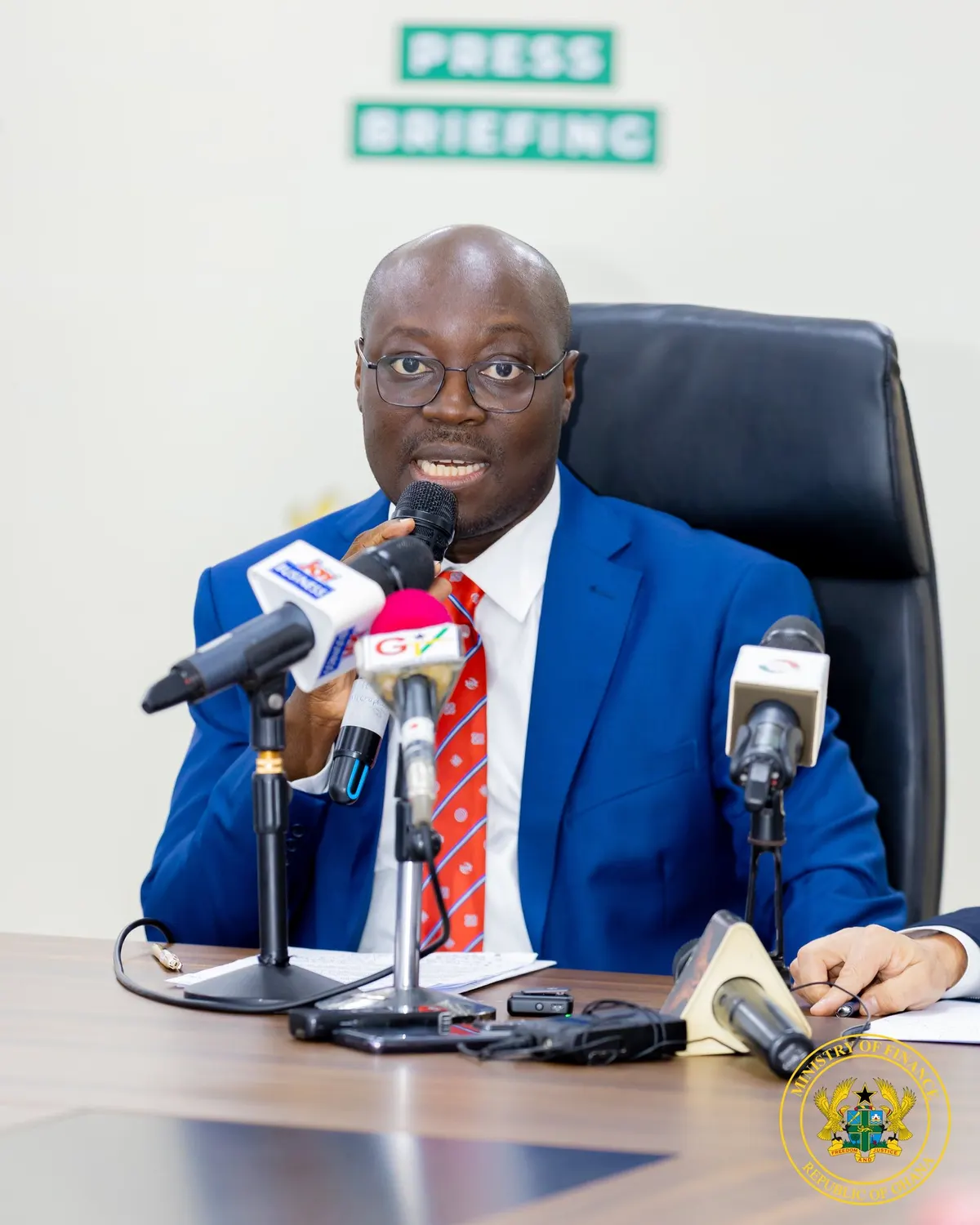
Ghana will invest US$1 billion in its pharmaceutical and biomanufacturing industry as part of plans to strengthen medicine security, create jobs and position the country as a pharmaceutical export centre for West Africa.
Finance Minister Dr Cassiel Ato Forson announced the investment while presenting the 2027 Budget Statement and Economic Policy to Parliament on Thursday, November 12, 2026.
The initiative forms part of the government’s four-year US$10 billion New Economy investment programme, which seeks to expand local production, create employment and reduce the country’s dependence on imported goods.
Ghana Targets Increased Local Medicine Production
Dr Forson said Ghana currently imports between 70 and 75 per cent of its medicine requirements, costing the country approximately US$500 million annually.
He explained that the US$1 billion investment would strengthen the country’s ability to manufacture essential medicines locally, reduce pressure on foreign exchange and create skilled industrial jobs.
Under the plan, the government will establish pharmaceutical and biomanufacturing hubs in the Eastern and Central Regions.
The facilities are expected to attract both local and international pharmaceutical companies and provide an environment for expanding medicine production.
The government also intends to amend public procurement laws to give locally manufactured medicines priority when public institutions purchase medicines, provided the products are available in sufficient quantities and meet approved quality standards.
Manufacturers will be required to meet Food and Drugs Authority registration requirements and Good Manufacturing Practice standards. Support will also be provided to help companies attain international quality certifications, including World Health Organisation prequalification.
Ghana is targeting local production of between 60 and 80 per cent of its essential medicine requirements by 2030.
The programme is also projected to create approximately 20,000 direct and indirect jobs while supporting the development of a pharmaceutical export platform for the West African market.
Government to Establish Ghana Medical Tourism Hub
In another major healthcare announcement, Dr Forson disclosed plans to establish a Ghana Medical Tourism Hub to attract international patients and investment into the country’s healthcare sector.
The proposed hub will receive support through tax incentives, serviced land and infrastructure to encourage the development of specialised medical facilities.
The initiative is expected to attract partnerships involving specialist hospitals, diagnostic centres, rehabilitation facilities, laboratories and hotel operators.
The government wants to position Ghana as a destination for patients seeking medical services, while creating opportunities for healthcare professionals and businesses.
The medical tourism initiative will form part of the government’s broader US$1 billion investment programme for tourism, culture and the creative arts.
A Wider Plan to Transform Healthcare and Industry
The pharmaceutical investment and medical tourism initiative reflect the government’s plans to strengthen healthcare delivery while creating new economic opportunities.
By expanding local medicine production, Ghana hopes to reduce its dependence on imported pharmaceutical products and retain more foreign exchange within the economy.
The medical tourism hub, meanwhile, is expected to attract private investment, encourage partnerships and support the development of specialised healthcare services.
The success of both initiatives will depend on the timely development of infrastructure, access to financing, regulatory oversight and the ability to attract qualified investors and healthcare professionals.
The government expects the wider New Economy programme to support economic transformation between 2027 and 2030, with job creation, increased local production and export growth among its key targets.
Also Read:2027 Budget Yea Youth Jobs And Rider Training Plans