

 By Aaron Hammond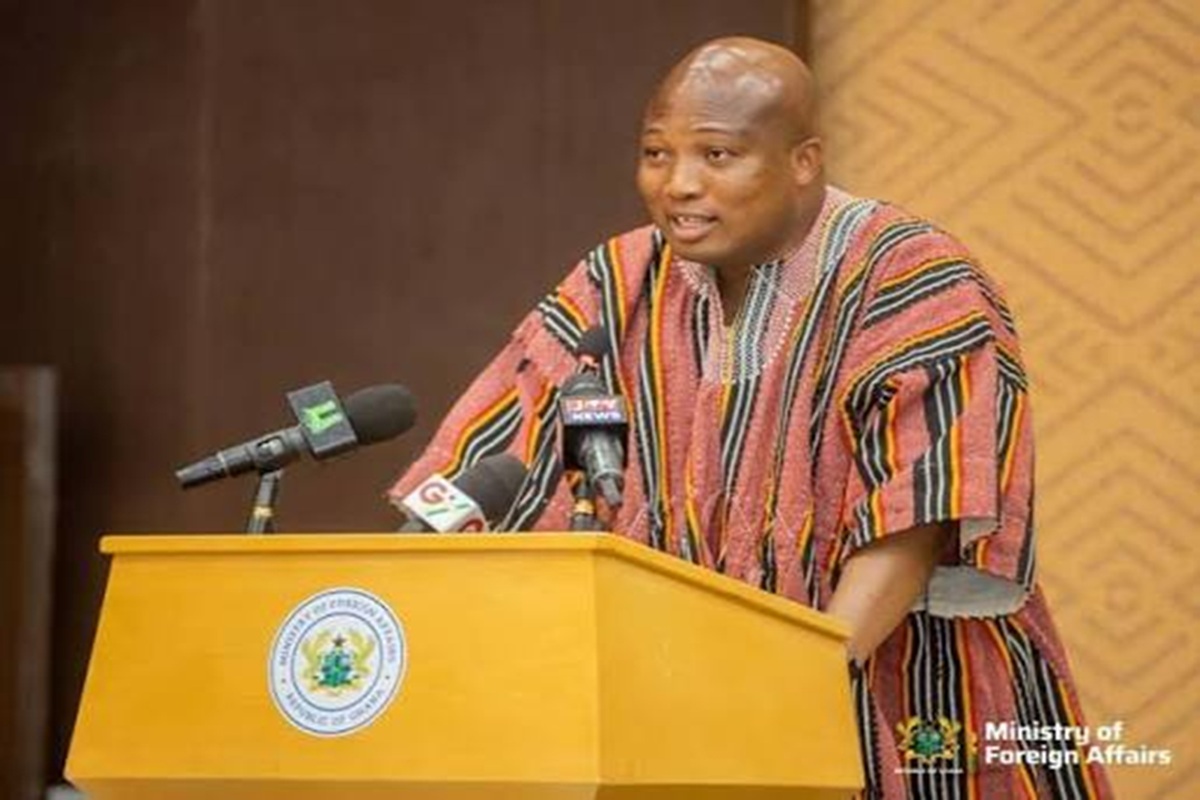
Government budgets rarely make thrilling dinner conversation, but GH¢49.72 million buys a lot of attention. Ever wondered how much it actually costs to fly nearly two thousand people out of trouble’s way?
Foreign Affairs Minister Samuel Okudzeto Ablakwa recently dropped the exact figures for bringing home 1,964 Ghanaians from South Africa. I tracked these numbers because public spending transparency always deserves a close look.
Breaking Down the Financial Bill
Government finances rarely cover emergency crises without stretching local coffers to the absolute limit. State funding handled GH¢33.72 million of the total bill, which leaves a massive chunk to account for. Private partnerships stepped in when state resources required immediate reinforcement. Private sector heavyweights like Engineers and Planners contributed GH¢16 million to bridge the funding gap.
-
Total Evacuation Cost: GH¢49.72 million for 1,964 citizens.
-
State Contribution: GH¢33.72 million funded directly by taxpayers.
-
Private Support: GH¢16 million provided by Engineers and Planners.
Why Crisis Management Costs So Much
Emergency flights demand instant coordination, chartered aircraft, and heavy logistics under extreme pressure. Critics always complain about public expenditures until they need a seat on an emergency flight themselves. IMO, dropping nearly fifty million cedis sounds staggering on paper, but saving human lives rarely comes with a discount coupon. Private entities sharing the financial burden proves that corporate social responsibility beats empty corporate statements every single day.
How often do private companies pitch in multi-million cedi sums for national emergencies? Private sector muscle matching state funding keeps public infrastructure from completely collapsing under sudden pressure.
Wrapping Up the Numbers
Emergency evacuations test the financial readiness and logistical speed of any administration. State funds of GH¢33.72 million paired with Engineers and Planners stepping up with GH¢16 million finalized a massive rescue mission. FYIF, fiscal transparency like this makes tracking tax cedi allocation much easier :). Next time someone questions public emergency budgets, remind them that keeping citizens safe requires real money and serious partnerships.
Also Read: Road Projects Cause 49% of Ghana’s Fibre Cuts – Sam George