

 By Emmanuel Bamfo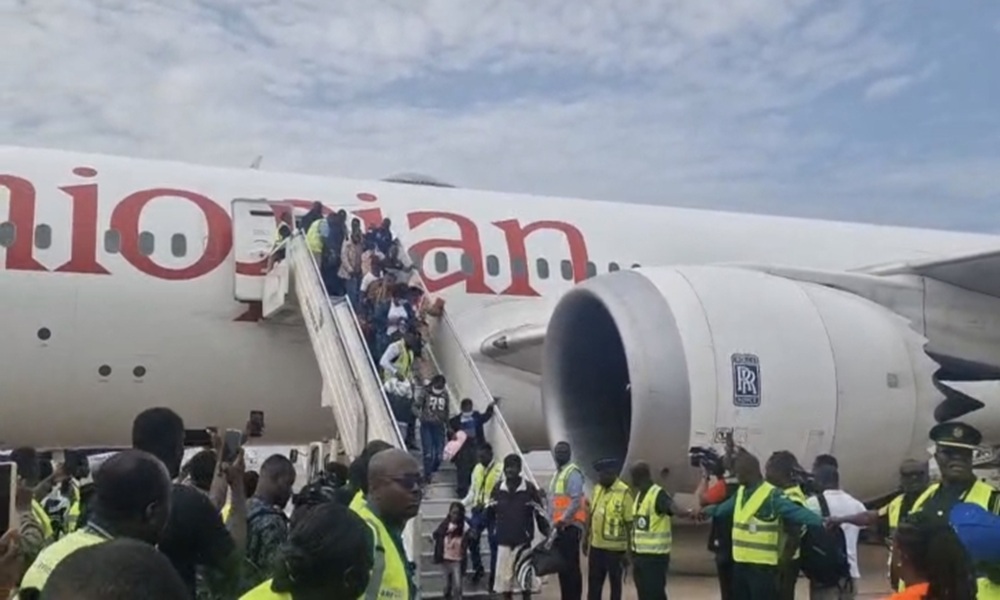
The government recently evacuated 1,964 Ghanaians from South Africa following some terrifying xenophobic attacks. Naturally, bringing that many people home safely requires serious cash.
Ablakwa briefed the media and laid all the expenses on the table. The total bill came to a staggering GH¢49,721,786.00.
When I first saw that number, I honestly gasped out loud. How does anyone spend nearly 50 million cedis on an emergency rescue mission? The Ministry broke the costs down into three main categories. Let us look at exactly where the money went.
The biggest chunk of the budget swallowed GH¢38.84 million. The government threw this money at chartered flights, ground transportation, and hotel accommodations in South Africa. They also used these funds to cover medical and hospitalisation requirements.
Have you ever tried booking a last-minute flight during a crisis? Airlines absolutely love inflating those prices! I remember paying triple the normal fare just to get home during a holiday strike. I can only imagine what charter companies charged the government for emergency flights. Airlines know they hold all the leverage during a crisis. Plus, housing nearly two thousand panicked people in hotels costs an absolute fortune.
Here is a quick look at what the GH¢38.84 million covered specifically:
-
Chartered emergency flights bringing citizens back to Accra.
-
Hotel accommodations for citizens waiting in South Africa.
-
Ground transportation moving people safely to the airport.
-
Emergency medical care for injured or sick evacuees.
You probably clicked on this article wondering about that “GH¢10 Support” mentioned in the title. Well, FYI, that number actually represents GH¢10.8 million allocated for reintegration allowances! The government did not just drop these folks at Kotoka International Airport and say goodbye. They handed out cash to help them start over.
Every single evacuee received GH¢5,000 as a reintegration grant. They also got an extra GH¢500 for transportation to their final destinations. IMO, handing out GH¢5,500 total per person seems like a surprisingly practical move. Usually, bureaucracies fail to give direct cash support to victims.
Tragically, the crisis did claim lives. The government spent an additional GH¢84,274 to repatriate the remains of two Ghanaians who died during the unrest.
You might think the Ghanaian taxpayer funded this entire operation alone. Honestly, I assumed the exact same thing at first! The government actually admitted they had zero budgetary allocation for this massive emergency. They simply had to improvise when the security situation deteriorated.
So, how did they pay the final GH¢49.72 million bill? They split the cost!
-
The Government of Ghana financed GH¢33.72 million from emergency state funds.
-
Engineers and Planners, a private company owned by businessman Ibrahim Mahama, contributed a massive GH¢16 million.
Ibrahim Mahama really pulled through for the country here. You rarely see private citizens dropping 16 million cedis to rescue stranded citizens. We often criticize wealthy business owners, but this move genuinely impressed me. Ablakwa publicly praised Mahama for prioritizing the welfare of Ghanaians. I have to agree; that level of corporate social responsibility deserves a massive standing ovation.
Beyond the hard cash, the returnees needed serious psychological and logistical help. Escaping xenophobic violence leaves deep mental scars. The government deployed trauma counsellors and psychologists to support the victims right at the airport.
Various organizations also stepped up to provide incredible logistics. Have you ever realized how important a working phone is during a crisis? Telecommunications companies handed out free SIM cards loaded with data and airtime. The evacuees also received:
-
Port Health officials conducted free medical screening.
-
The National Health Insurance Authority registered the victims instantly.
-
The National Buffer Stock Company and the Red Cross handed out food packages and hot meals.
-
The Church of Pentecost generously provided free temporary accommodation.
This whole coordinated effort really shows what Ghanaians can achieve when we unite. We complain about our system a lot, but we definitely rally together during emergencies!
Some critics will always complain about government spending. They look at a GH¢49.7 million bill and immediately scream about wasted resources. However, how do you put a price tag on human life?
These 1,964 citizens faced imminent danger in South Africa. The government refused to abandon them in harm’s way. I fully support using national resources to protect our people abroad. The state exists precisely to handle crises like this.
The authorities fully settled the entire debt without leaving any outstanding liabilities. Now, the government plans to launch long-term economic empowerment initiatives. They want to help these returnees rebuild their livelihoods permanently.
Let us wrap this up! The GH¢38.84 million for travel and the GH¢10.8 million for reintegration support saved almost two thousand lives. We can debate the exact numbers, but bringing our brothers and sisters home safely remains the ultimate victory. Do you think the government handled this evacuation budget properly? Did Ibrahim Mahama’s massive donation surprise you? Drop your thoughts below—I would love to hear your take on this massive rescue bill!
Also Read: road projects cause 49 of ghanas fibre cuts-Sam George