

 By Ishmeal
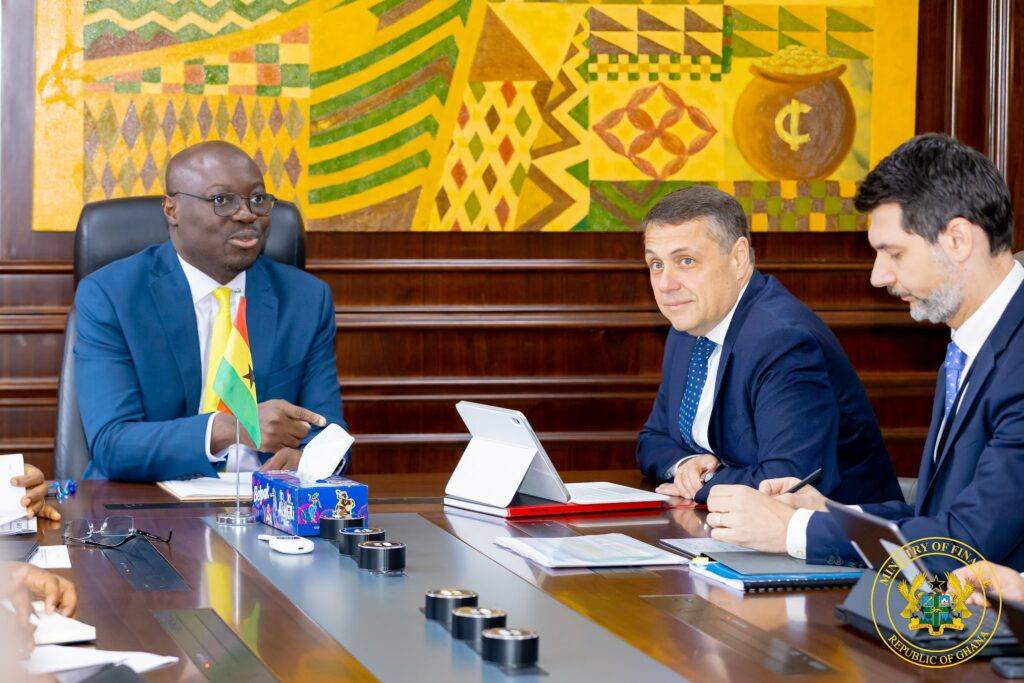
The International Monetary Fund (IMF) has reached a staff-level agreement with Ghana on the first review of the country’s 36-month programme under the Policy Coordination Instrument (PCI).
The agreement follows discussions between an IMF team led by Ruben Atoyan and Ghanaian authorities during a visit to Accra from October 22 to November 4, 2026.
The development marks progress in Ghana’s efforts to maintain economic stability, strengthen public finances and continue implementing key economic reforms.
However, the agreement is not yet final. It remains subject to approval by IMF Management and the Fund’s Executive Board.
In a statement issued after the mission, the IMF described Ghana’s economic performance as broadly satisfactory, noting that most quantitative targets under the programme had been met.
Ghana’s Economy Records 6.2% Growth
The IMF reported that Ghana’s real Gross Domestic Product (GDP) grew by 6.2 per cent year-on-year in the first half of 2026.
The Fund projects the economy to grow by 5.7 per cent for the full year, with investment contributing significantly to the expansion.
Inflation also declined to 5.5 per cent in October 2026, remaining below the Bank of Ghana’s medium-term target range of 6 to 10 per cent.
The IMF further said Ghana’s fiscal position remained strong, with the primary surplus on course to meet the programme’s end-of-year target.
It also noted that public debt had declined significantly in recent years, helping to improve the country’s economic position.
IMF Raises Concern Over Foreign Exchange Reserves
Despite the positive economic indicators, the Fund identified declining foreign exchange reserves as a major concern.
The IMF said recent pressures on reserves had prompted the government to introduce corrective measures, including transferring foreign exchange intermediation from the Bank of Ghana to GoldBod.
The authorities have also introduced higher gold sale requirements for large-scale mining companies.
The Fund stressed that consistent implementation of these measures, together with greater exchange rate flexibility, would be important in rebuilding Ghana’s reserves.
It also warned that the country remained exposed to fluctuations in international gold, cocoa and oil prices, geopolitical tensions and tighter global financial conditions.
Other domestic risks include significant domestic debt refinancing needs, financial sector weaknesses and fiscal pressures within the energy, cocoa and gold sectors.
2027 Budget Targets 0.5% Primary Surplus
The IMF said Ghana’s 2027 Budget is aligned with the objectives of the PCI programme and targets a primary surplus of 0.5 per cent of GDP on a commitment basis.
The target is expected to create fiscal space for priority investments under the government’s New Economy agenda, particularly in job creation and infrastructure development.
However, the Fund emphasised the need for careful project assessment, competitive procurement processes and strict expenditure controls to ensure value for money and protect debt sustainability.
It also expects non-oil revenue to increase in 2027, supported by tax measures approved in July 2026, customs and excise reforms and improvements in revenue administration.
IMF Calls for Completion of Outstanding Reforms
The Fund described progress on Ghana’s structural reforms as broadly satisfactory.
It highlighted the publication of the Fiscal Strategy Document, parliamentary approval of the new Cocoa Board Act and continued quarterly electricity tariff adjustments.
Ghana also completed a comprehensive review of its customs and excise legislation ahead of schedule.
However, some reforms remain outstanding. These include improvements to the Bank of Ghana’s liquidity management framework, the rollout of the Integrated Tax Administration System, the operationalisation of the Fiscal Council and the preparation of the Fiscal Risk Statement.
The IMF also identified the delayed publication of the audit of the Electricity Company of Ghana’s (ECG) collection accounts as an outstanding commitment.
It said completing these reforms on schedule would be important for strengthening public financial management and improving accountability.
Ghana’s PCI Programme Does Not Provide New Financing
Ghana’s 36-month Policy Coordination Instrument is a non-financing arrangement with the IMF. Unlike the previous Extended Credit Facility programme, it does not provide direct financial disbursements.
Instead, it supports the government’s economic policies and reforms while providing a framework for continued engagement with the Fund.
Ghana’s transition to the PCI followed the completion of the final review of its $3 billion Extended Credit Facility programme in July 2026.
The latest staff-level agreement therefore represents another step in Ghana’s post-bailout economic reform programme.
The IMF says maintaining fiscal discipline, rebuilding foreign exchange reserves, strengthening governance and completing outstanding reforms will be essential to sustaining economic stability and achieving stronger, more inclusive growth.
Also Read:Akandoh Says All Nurses Salary Arrears Have Been Paid
SOURCE:Ghana News Page