

 By Ishmeal
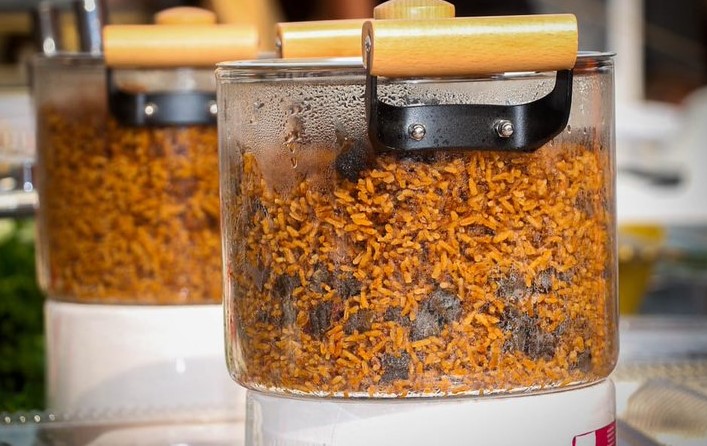
As Christmas and the festive season approach, many families, churches, organisations and event planners are preparing to cook for large gatherings.
From preparing jollof rice for 100 guests to serving chicken, fish, salads and other popular dishes, food safety should be a major part of the preparation.
The Ghana Food and Drugs Authority (FDA) and the World Health Organization (WHO) have outlined important food hygiene practices that can help prevent food poisoning and protect guests during festive celebrations.
Cooking in large quantities requires extra care because food can remain exposed for long periods, increasing the risk of contamination and bacterial growth.
1. Keep your hands and cooking environment clean
The first step to safe food preparation is maintaining proper hygiene.
Cooks and caterers should wash their hands thoroughly with soap and clean running water before preparing food, after using the toilet and after handling raw meat, fish or poultry.
Cooking surfaces, chopping boards, knives, bowls and other utensils should also be washed and sanitised regularly.
Fresh fruits and vegetables should be washed with safe running water before use.
2. Separate raw and cooked foods
One common food safety mistake is using the same utensils and preparation surfaces for raw and cooked foods without properly washing them.
Raw chicken, meat, fish and seafood should be kept separate from cooked meals and ready-to-eat foods such as salads and fruits.
Use different chopping boards, knives and containers where possible. This helps prevent harmful microorganisms from raw ingredients from contaminating food that is ready to be served.
3. Cooking jollof rice for 100 people requires extra care
Preparing a large quantity of jollof rice for a wedding, church programme or Christmas party requires proper planning.
Cooks should avoid overcrowding pots and frying equipment because food may not cook evenly. Meat, chicken and fish should be prepared in manageable batches and cooked thoroughly.
Frozen meat and poultry should be thawed safely in a refrigerator or under clean running water rather than being left on the kitchen counter.
Once the jollof is ready, it should be kept covered and hot until serving. Large batches should be divided into manageable portions to make temperature control easier.
4. Keep hot food hot and cold food cold
Food temperature is important in preventing foodborne illnesses.
The WHO recommends keeping hot food above 60°C and refrigerated perishable food below 5°C.
Cooked food should not be left at room temperature for more than two hours. During parties and buffet services, organisers should use suitable food warmers to keep rice, soups, stews and meat hot.
Salads, cut fruits and other foods that require refrigeration should remain chilled until they are served.
Rather than placing all the food on a buffet table at once, organisers can serve smaller portions and replace them with fresh portions when necessary.
5. Handle Christmas leftovers properly
After a celebration, many families keep leftover jollof, stew, soup, chicken and other dishes for later consumption.
However, leftovers can become unsafe if they are not stored properly.
The FDA and WHO advise that cooked food should be refrigerated promptly. Large quantities should be divided into smaller portions and placed in shallow, covered containers to help them cool quickly.
Leftovers should be reheated thoroughly until steaming hot throughout before eating. Soups, stews and gravies should be brought to a boil.
Food that has remained at room temperature for more than two hours should not be kept for later consumption.
6. Check that your caterer has the required permit
People organising weddings, parties, church programmes and corporate events should also pay attention to the hygiene standards of the caterers they engage.
In Ghana, food service establishments are required to meet the relevant FDA registration and food hygiene requirements.
Customers should check that caterers and food vendors have the appropriate permits and maintain clean food preparation and serving environments.
The general appearance of food alone cannot guarantee that it is safe to eat.
7. Watch out for signs of food poisoning
Unsafe food can cause symptoms such as stomach cramps, diarrhoea, vomiting, nausea and fever.
Anyone who experiences severe or persistent symptoms, repeated vomiting, bloody diarrhoea or signs of dehydration should seek medical attention promptly.
If several people become ill after eating food from the same event, the incident should be reported to the relevant health authorities.
Make food safety part of the celebration
The festive season is a time for family gatherings, sharing meals and celebrating with friends.
However, one mistake in food preparation, storage or serving can put many people at risk.
Whether you are preparing a small family meal or cooking jollof for 100 guests, following proper food hygiene practices can help protect everyone and make the celebration safer.
Also Read:Gsa To Commission 264 Inspectors Ahead Of Christmas