

 By Collins Sarkodieh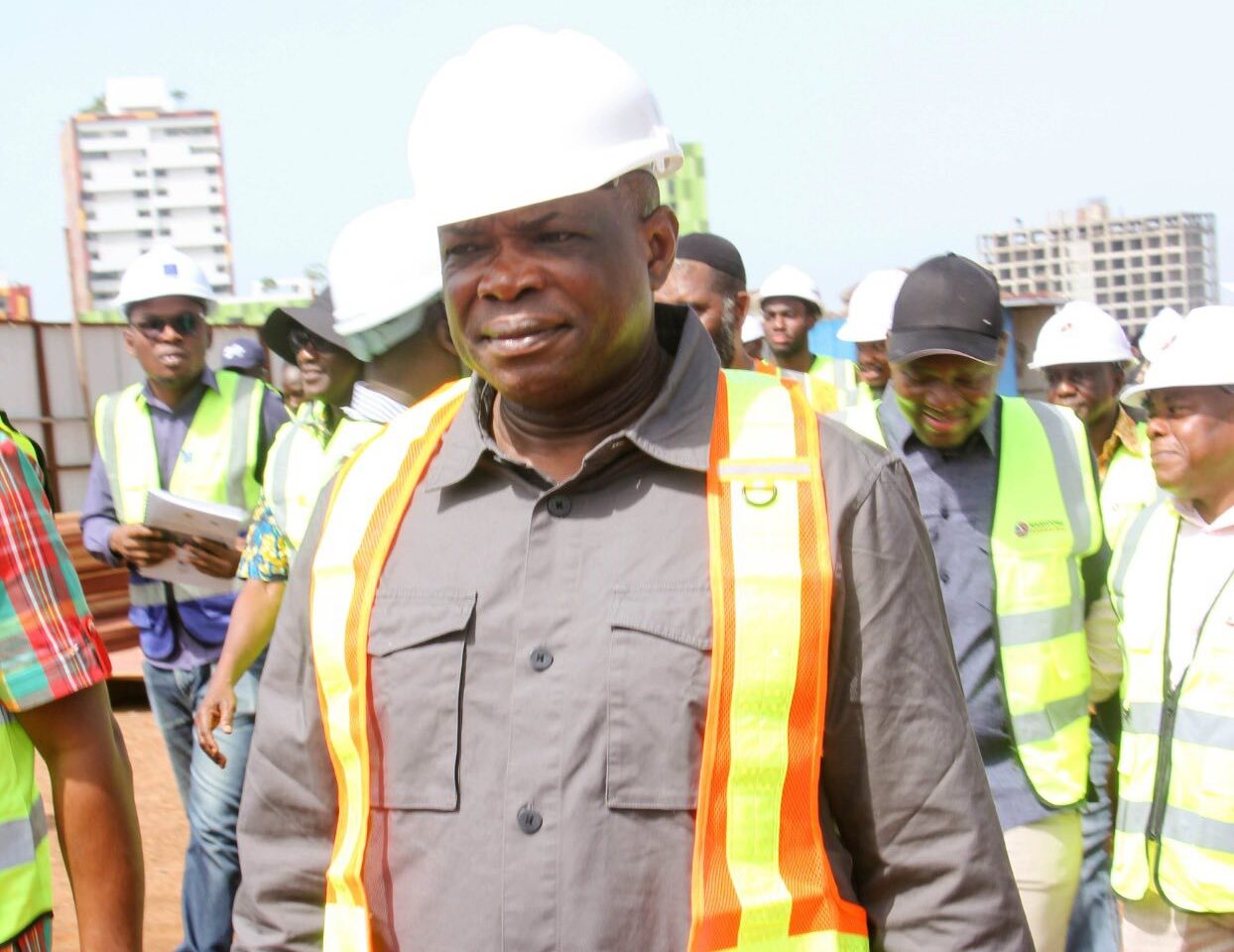
The proposed Accra-Kumasi Expressway is designed as a high-speed, commercial toll road that will operate alongside the existing Accra-Kumasi Highway to reduce travel time and congestion. Roads and Highways Minister Kwame Governs Agbodza confirmed that the new expressway will complement rather than replace the current route, providing a faster two-hour alternative for those willing to pay a toll.
This strategic dual-road approach follows the ECOWAS convention, which mandates that when a commercial expressway is constructed, a free or affordable alternative route must remain available for the public. By maintaining and completing ongoing works on the existing highway, the government ensures that commuters have a choice between a premium, high-speed journey and a standard, accessible route.
The Minister’s assurance on May 11, 2026, during an Eastern Region inspection tour, aims to clear confusion among contractors and the public regarding the fate of current roadworks. Both projects are being treated as national priorities, with a target completion date set for the end of 2027. This infrastructure boost is expected to significantly enhance trade and mobility between Ghana’s two largest economic hubs.
Why is the government building an expressway instead of just fixing the old highway?
The government is building a new expressway to meet ECOWAS standards for regional transit and to provide a dedicated commercial corridor that can cut travel time to just two hours. While the existing highway is being dualized and repaired, it serves many local towns and carries high traffic volumes that naturally limit its speed and efficiency.
An expressway is a “controlled-access” highway, meaning it has fewer intersections and is designed for high-speed travel without the interruptions of local traffic, market stalls, or frequent pedestrian crossings. By separating long-distance commercial traffic from local commuters, the government can improve safety on the old highway while offering a premium service on the new one.
This model is common in developed economies and fast-growing African nations. It allows the state to recoup investment through tolls on the expressway, which can then be reinvested into maintaining the free-to-use alternative road. It is less about “fixing” one road and more about creating a modern logistics network that supports Ghana’s growing population and economy.
How will the toll system work on the new Accra-Kumasi Expressway?
The Accra-Kumasi Expressway will operate on a commercial basis where users pay a toll—potentially ranging from $10 to $50 depending on the vehicle type and finalized rates—to enjoy significantly reduced travel times. These tolls are necessary to fund the investment and ensure the long-term maintenance of the high-speed infrastructure.
Minister Agbodza noted that the choice remains entirely with the individual driver. Those who prioritize time, such as transit trucks carrying perishable goods or business travelers, will likely opt for the expressway. Meanwhile, public transport or private drivers on a budget can continue to use the current Accra-Kumasi Highway without paying the premium commercial fee.
The use of tolls on the expressway follows the “user-pay” principle. This ensures that the heavy financial burden of building such advanced infrastructure does not fall solely on the general taxpayer, but rather on those who directly benefit from the speed and efficiency of the new route.
What is the timeline for the completion of both road projects?
The government is committed to delivering both the completion of the existing highway dualization and the new expressway by the end of 2027, provided all milestones stay on track. Discussions regarding costs and timelines with contractors have been finalized, with some sections of the projects currently trending ahead of schedule.
A nationwide road inspection tour in May 2026 revealed that significant progress is being made in the Eastern Region, a critical midpoint for both routes. The Minister emphasized that the government has the political will and the financial arrangements in place to ensure that these are not “abandoned projects” but completed assets for the nation.
Maintaining two massive projects simultaneously requires careful coordination with contractors. By finalizing the financial and technical details early, the Ministry of Roads and Highways is attempting to avoid the delays often associated with large-scale infrastructure in the sub-region. If the 2027 deadline is met, it will mark one of the fastest infrastructure transformations in Ghana’s history.
Factual Insights into Ghana’s Road Infrastructure:
- Travel Time Reduction: The expressway aims to reduce the trip between Accra and Kumasi from 5–6 hours to approximately 2 hours.
- ECOWAS Convention: Ghana is a signatory to regional agreements that require alternative “free” routes whenever a tolled expressway is established.
- Investment Model: The expressway is being developed as a commercial investment, distinct from traditional public-funded road maintenance.
- Geographic Focus: The Eastern Region serves as the primary corridor for both the existing highway and the proposed expressway alignment.
- Target Date: The end of 2027 is the official target for the delivery of these integrated transport solutions.
- Economic Hubs: The Accra-Kumasi route is the most traveled road in Ghana, connecting the capital to the Ashanti Region and northern transit routes.
How does this dual-road strategy impact the Eastern Region?
The Eastern Region will benefit from increased economic activity and improved safety as the dual corridors will divert heavy, high-speed traffic away from local town centers. By completing the existing highway, the government is ensuring that local trade in towns along the route is not stifled by the new expressway.
Currently, the Accra-Kumasi Highway passes through many busy communities, leading to frequent accidents and significant delays. The dual-road strategy allows the “commercial” traffic to bypass these towns on the expressway, while the “local” traffic can move more safely on the improved highway. This specialization of road use is expected to lower the national road accident rate significantly.
For residents of the Eastern Region, this means better access to markets and health facilities. The construction phases also provide thousands of local jobs, from manual labor to engineering consultancies. As the Minister noted during his tour, the focus is on a holistic road network that serves everyone, regardless of their budget or vehicle type.
The Accra-Kumasi road development project is a masterclass in modern infrastructure planning. By providing a commercial expressway alongside a traditional highway, the government is honoring its international obligations while respecting the financial realities of its citizens. The Minister’s assurance that the expressway is a “complement” and not a “substitute” is a vital distinction for national planning.
As we move toward the 2027 completion target, the focus remains on execution and transparency. If successful, this dual-corridor will transform the Ashanti and Eastern Regions into a highly efficient economic zone, proving that in Ghana, progress doesn’t have to come at the expense of accessibility.
Also Read: Accra-Kumasi Six-Lane Expressway by President John Mahama Unveiled