

 By Aaron Hammond
France is taking fresh measures to restore public order after violent protests and looting damaged thousands of businesses across the country.
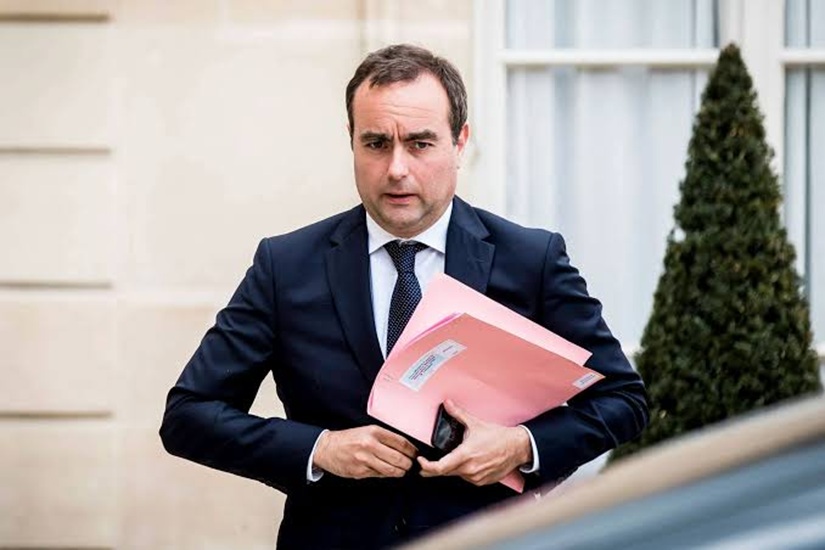
Prime Minister Sébastien Lecornu called for targeted local curfews on October 19, 2026, following a weekend of unrest in several major cities. The restrictions aim to protect residents, shops and public property while security agencies work to prevent further violence. The government now faces two urgent tasks: restoring calm and addressing the public anger that helped fuel the demonstrations.
Why Has France Introduced Local Curfews?
Lecornu asked regional officials to work with mayors and business representatives to identify areas that need temporary restrictions. Rather than impose a nationwide curfew, the government favoured targeted measures in places facing continued disturbances. Authorities also considered additional security operations to prevent further looting and attacks on public buildings. The approach aims to protect communities without placing the entire country under the same restrictions.
The unrest affected cities including Paris, Lyon and Marseille. Reports described damaged shopfronts, looted supermarkets, fires and attacks on public buildings. In Paris, police introduced overnight restrictions in areas including Place de la République and the Les Halles shopping district. Some other cities also introduced restrictions that applied specifically to minors. These measures show how seriously officials are treating the risk of renewed violence.
The damage has created fresh pressure for shop owners and workers whose livelihoods depend on daily business. France’s Finance Ministry announced support measures on October 20 for businesses affected by the violence of October 17 and 18. The measures include government funded support for eligible employers who need to reduce working hours temporarily and additional time to pay certain social contributions.
For a small shop owner, a broken window is only the beginning of the problem. Replacing stock, repairing premises and reopening safely can take time and money. Workers may also lose income when businesses cannot operate normally. Government assistance could help affected employers protect jobs, but businesses will still need time to recover.
What Sparked the Protests?
The demonstrations grew from public frustration over rising living costs, school conditions and concerns about public services. Many people took part in protests to demand improvements, but some gatherings escalated into clashes, looting and property destruction. French authorities blamed organised groups and people they described as extremists for helping drive the violence, although the causes and responsibility remain subjects of wider debate.
The government must therefore manage two issues at once. It needs to protect residents and hold people responsible for criminal acts accountable, while also listening to peaceful demonstrators and examining their concerns. A curfew may help reduce immediate risks, but it cannot resolve every social or economic grievance behind the unrest.
France’s next challenge is to prevent further destruction while rebuilding public confidence. Officials are reviewing security arrangements, investigating reported offences and supporting affected businesses. The success of the curfews will depend on local conditions, effective policing and whether tensions ease in the coming days.
For Ghanaians following the story, the situation is a reminder that public demonstrations can have serious consequences when violence spreads. Protecting the right to peaceful protest matters, but so does protecting people, jobs and property. France now faces the difficult task of restoring order without ignoring the concerns that brought many demonstrators onto the streets.
Also Read: Trump Blames Immigration for France’s Deadly Unrest
Source: Ghana News Page