By Collins Sarkodieh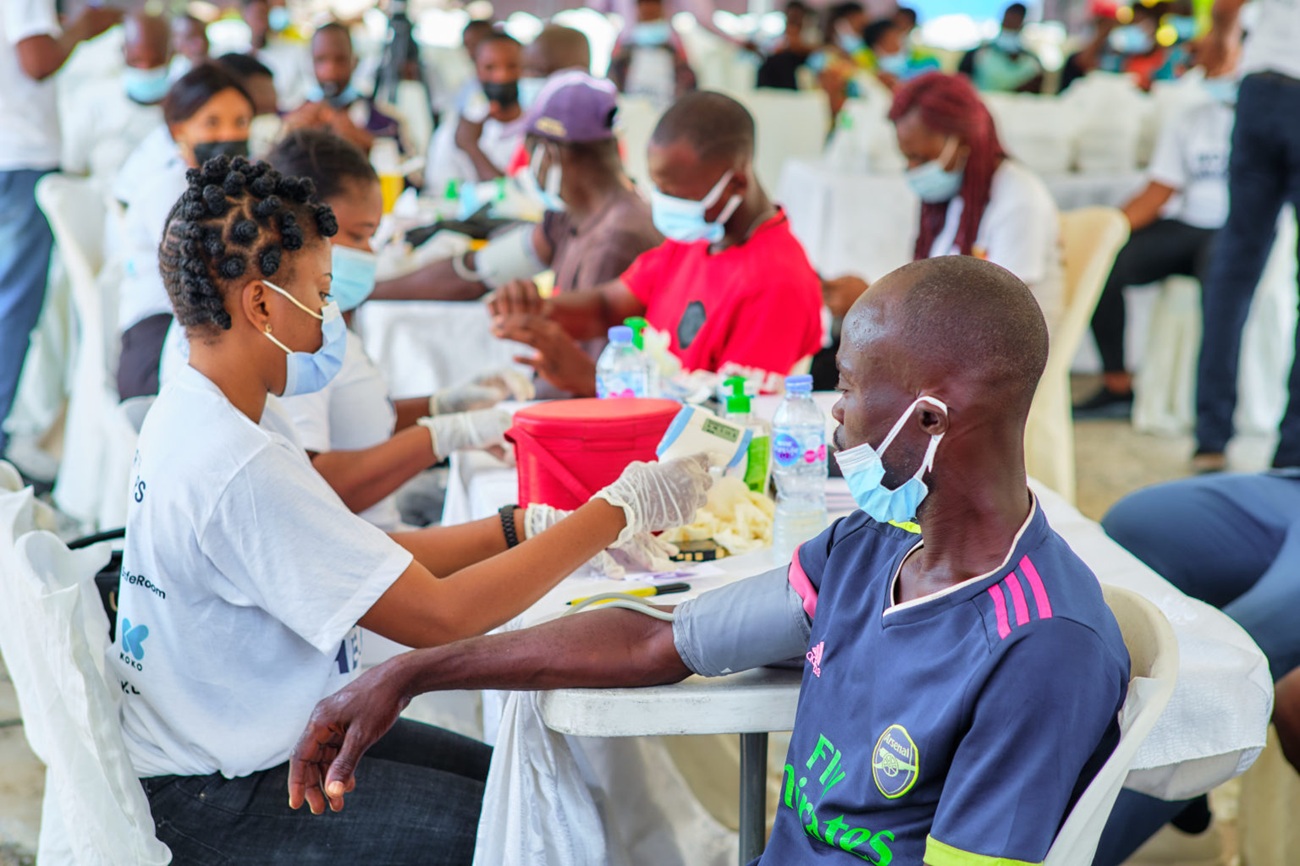
What Does Ghana Free Primary Healthcare 2026 Actually Mean?
Ghana free primary healthcare 2026 focuses on basic health services at little or no cost.
It targets early treatment, prevention, and community level care.
It does not mean all healthcare services will be free.
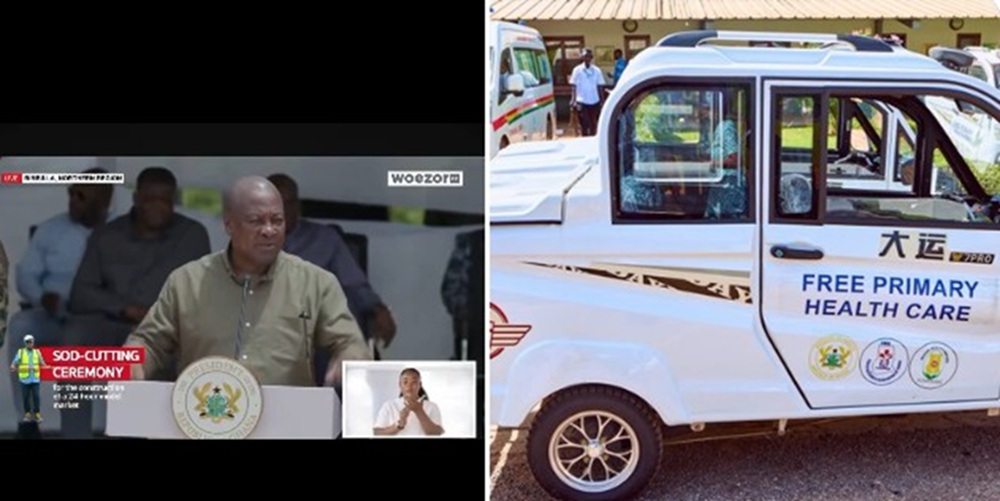
The discussion around Ghana free primary healthcare 2026 what is covered is shaping national conversations about access, affordability, and equity. The policy direction is linked to proposals by John Dramani Mahama, aimed at strengthening the country’s healthcare foundation.
Primary healthcare is widely recognized as the backbone of any effective health system. According to World Health Organization, strong primary care can address up to 80 percent of a person’s health needs across their lifetime. That statistic alone explains why governments focus heavily on this level of care.
What Services Are Covered Under Free Primary Healthcare?
It covers essential and preventive health services.
It focuses on common illnesses and basic medical care.
It is designed to help people get treatment early.
Under Ghana free primary healthcare 2026, the following services are expected to be included:
Treatment for common conditions such as malaria, flu, and minor infections
Maternal and child healthcare including antenatal visits and immunizations
Basic diagnostic services like blood pressure checks and simple lab tests
Health education programs aimed at disease prevention
These services are typically delivered through community facilities such as CHPS compounds and district clinics managed by the Ghana Health Service.
Early access to these services can prevent minor conditions from becoming serious health problems.
What Services Are Not Covered?
It does not include specialized or advanced medical care.
Hospital based procedures and surgeries are usually excluded.
Long term and expensive treatments may still require payment or insurance.
A common misunderstanding is that free primary healthcare equals completely free healthcare. That is not the case.
Services likely not covered include:
Specialist consultations at tertiary hospitals
Complex surgeries and emergency interventions
Advanced imaging like CT scans or MRI
Treatment for chronic diseases requiring ongoing medication
Healthcare systems worldwide follow this model. Basic services are subsidized, while advanced care is managed through insurance or additional funding.
How Does This Compare to the National Health Insurance Scheme?
NHIS is an insurance based system that covers a wide range of services.
Free primary healthcare removes cost barriers at the entry level.
Both systems are designed to complement each other.
The National Health Insurance Scheme has been a key part of Ghana’s healthcare system for years. It provides coverage for many treatments but still faces challenges such as delayed reimbursements and out of pocket payments.
Free primary healthcare can:
Reduce the financial burden on patients seeking basic care
Ease pressure on NHIS by handling minor cases directly
Encourage more people to seek early treatment
Data from health sector reports shows that out of pocket spending remains a significant issue in Ghana. Addressing this at the primary level can improve access and outcomes.
Why Is Primary Healthcare So Important for Ghana?
It is the first point of contact for most patients.
It helps prevent diseases from becoming severe.
It reduces overcrowding in hospitals.
According to the World Health Organization, countries that invest in primary healthcare achieve better health outcomes and lower overall costs.
Key benefits include:
Early detection of diseases
Improved maternal and child health outcomes
Reduced need for expensive hospital treatments
For example, vaccination programs delivered through primary care have significantly reduced child mortality rates globally.
What Are the Key Facts About Healthcare Access in Ghana?
Primary healthcare facilities are the most widely available
Rural communities still face access challenges
Out of pocket payments remain high for many households
Preventive care reduces long term healthcare costs
Healthcare demand continues to grow with population increases
These facts highlight why Ghana free primary healthcare 2026 is seen as a critical step forward.
How Will This Policy Be Funded?
Funding will likely come from government budgets and partnerships.
Efficient use of resources will be essential.
Sustainability will depend on long term financial planning.
Healthcare financing is complex, especially in developing economies. Governments must balance competing priorities while ensuring quality service delivery.
Potential funding sources include:
National budget allocations
Health sector efficiency reforms
Support from international development partners
The success of the policy will depend on how well these resources are managed.
What Benefits Can Ghanaians Expect?
Access to basic healthcare will improve significantly.
Financial pressure from minor illnesses will decrease.
Communities will experience better overall health.
When people can visit a clinic without worrying about cost, they are more likely to seek treatment early. This leads to better health outcomes and lower long term costs.
Preventive care also helps reduce the spread of infectious diseases, benefiting the entire population.
What Challenges Could Arise?
Increased demand could strain existing facilities.
There may be shortages of healthcare workers.
Maintaining quality of care will be critical.
Expanding free access often leads to higher patient volumes. Without proper planning, this can overwhelm healthcare systems.
Key challenges include:
Ensuring enough trained medical staff
Providing adequate medical supplies
Maintaining efficient service delivery
Addressing these issues will require strong leadership and planning.
How Does Ghana’s Approach Compare Globally?
Many countries prioritize primary healthcare.
Basic services are often free or subsidized.
Advanced care usually requires insurance or additional funding.
Countries like the United Kingdom provide free access to general practitioners through the NHS, while specialized treatments are managed separately.
This model balances accessibility with sustainability, which is essential for long term success.
What Does This Mean for Rural Communities?
Rural areas stand to benefit the most.
Access to care will become easier and more affordable.
Health outcomes could improve significantly.
In many parts of Ghana, distance and cost are major barriers to healthcare. Strengthening primary healthcare can address both issues.
Community based services can bring healthcare closer to people, reducing the need for long travel to hospitals.
What Should Citizens Watch for Next?
Clear policy details will be important.
Implementation timelines will determine impact.
Public awareness will influence success.
As Ghana free primary healthcare 2026 moves from proposal to implementation, citizens should pay attention to official announcements and guidelines.
Understanding what is covered will help people make informed decisions about their healthcare.
Final Thoughts on Ghana Free Primary Healthcare 2026
It focuses on making basic healthcare accessible to all
It does not replace the need for insurance or advanced care
Its success depends on execution and sustainability
The Ghana free primary healthcare 2026 what is covered discussion highlights a critical shift in healthcare policy. It reflects a growing recognition that prevention and early treatment are key to improving national health outcomes.
While it will not solve every challenge, it represents a strong step toward a more accessible and equitable healthcare system.
If implemented effectively, it could reduce financial barriers, improve quality of life, and strengthen Ghana’s healthcare system for the future.
Also Read: Mahama Clarifies Purpose of Tricycles in Free Primary Healthcare Rollout